
Plants
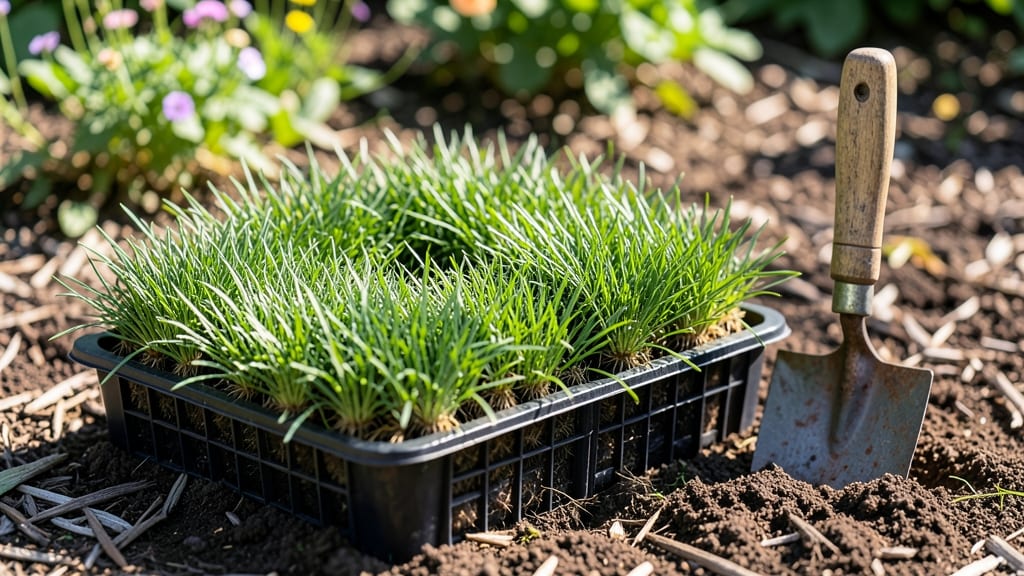
To plant Bermuda grass in California, aim for late spring to early summer when soil temperatures hit 65°F+—that’s the fastest way to get a thick, drought-resistant lawn.
🌱 Planting Bermuda grass in California at the wrong time can mean slow growth, weak roots, or even failure—but timing it right guarantees a lush, drought-resistant lawn that thrives year-round.
Coastal areas like 9b can plant year-round for sod or sprigs, while inland 10a zones should stick to April–June for seed to avoid heat stress.
Below, I’ll break down the best months by region, soil prep tips, and how to keep your lawn thriving through California’s dry summers.
Optimal planting months for Bermuda grass in California by climate zone
California’s diverse climate means your Bermuda grass planting window depends heavily on where you live. In Southern California, mild winters allow for year-round sod installation, but seed germination thrives in late spring when soil warms.
Meanwhile, the Central Valley’s scorching summers demand early planting to avoid heat stress, while Northern California coastal areas can plant later due to cooler microclimates. Let’s break down the best months for each region to maximize your lawn’s success.
Bermuda grass is a warm-season grass that needs soil temperatures above 65°F (18°C) to germinate. In most of California, this means waiting until April or May for seed planting.
However, sod or sprigs can be installed year-round in frost-free zones like San Diego or Los Angeles, though summer heat can stress newly laid turf. Understanding your USDA hardiness zone (9b-10a) helps narrow down the perfect window.
Here’s a quick comparison of planting windows across California’s key regions, including soil temperature thresholds and frost risk factors:
| Region | Best Planting Months | Soil Temp Threshold | Frost Risk | Notes |
|---|---|---|---|---|
| Southern California (Coastal) | March–June (seed), Year-round (sod) | 65°F+ (April–May ideal) | Low (rare frost) | Mild winters allow early planting; overseed in fall for coastal areas. |
| Central Valley (Inland) | April–May (seed), March–June (sod) | 70°F+ (May–June ideal) | None (hot summers) | Plant early to avoid summer heat stress; irrigation critical during establishment. |
| Northern California (Coastal) | April–June (seed), Year-round (sod) | 65°F+ (May ideal) | Moderate (light frost possible) | Cooler summers extend planting window; avoid fall planting if frost risk exists. |
| Northern California (Inland) | May–June (seed), April–June (sod) | 70°F+ (June ideal) | Low (except high elevations) | Wait for soil to warm fully; drought conditions may require extra irrigation. |
For Southern California, where winters are mild and frost is rare, you can plant Bermuda grass seed as early as March if soil temperatures stay above 65°F (18°C). However, the ideal window is April–June, when daytime temperatures are consistently warm.
This region’s coastal microclimates (like San Francisco or Santa Barbara) may even allow for fall overseeding in September, giving your lawn a head start before winter rains.
In the Central Valley, where summers can exceed 100°F (38°C), planting too late in spring risks heat stress during germination. Aim for April–May when soil temperatures are 70°F+ (21°C+).
If you’re installing sod or sprigs, you can extend this window to June, but be prepared to provide deep, frequent watering to help roots establish before the heat peaks.
The Northern California coast, including areas like San Francisco or Monterey, enjoys a milder climate with cooler summers. Here, you can plant Bermuda grass seed from April–June, with May being the sweet spot for germination.
Unlike inland areas, coastal regions have a lower frost risk, making it safer to plant slightly later in the season. However, avoid planting in fall unless you’re in a frost-free pocket, as cooler temperatures can stunt growth.
If you’re in inland Northern California (e.g., Sacramento or Chico), your window narrows to May–June due to hotter, drier conditions. Soil temperatures must reach 70°F+ (21°C+) for successful germination, and planting earlier risks dormancy if nights stay cool.
For sod installation, you can start as early as April, but prioritize shade cloth during the first few weeks to protect the turf from intense afternoon sun.
One critical factor across all regions is soil temperature. Use a soil thermometer to confirm readings before planting. If temperatures dip below 65°F (18°C), germination slows dramatically, and your Bermuda grass may fail to establish properly.
In cooler inland valleys, like parts of the Sierra foothills, wait until late May or early June to ensure optimal conditions.
Pro tip: If you’re overseeding in fall, stick to coastal Southern California (e.g., San Diego or Orange County) where frost is unlikely. Even there, plant by early September to allow 4–6 weeks of growth before winter slows things down.
Inland areas should avoid fall planting entirely due to frost risk and inconsistent rainfall.
Finally, remember that Bermuda grass is drought-tolerant once established, but it needs consistent moisture during the first 6–8 weeks after planting. Adjust your watering schedule based on your region’s summer heat
How to prepare your soil and lawn for Bermuda grass success
Bermuda grass thrives in California’s climate, but only if your soil and lawn are prepped correctly. Start by testing your soil pH—Bermuda prefers a slightly acidic to neutral range of 6.0–7.5.
Use a soil test kit or send a sample to your local cooperative extension office for precise results. If your soil is too alkaline, add sulfur or peat moss to lower the pH gradually over weeks.
Next, clear your lawn of weeds and debris using a sharp lawn mower or manual removal. Bermuda grass competes fiercely with weeds, so eliminate them before planting. If you’re seeding, till the top 2–3 inches of soil to loosen compaction and improve aeration.
For sod or sprigs, simply remove existing grass or weeds to expose bare soil.
⚠️ WARNING: Common Mistakes That Kill Bermuda Grass Before It Starts ⚠️
⚠️ Skipping soil aeration leads to compacted roots and poor water absorption. Use a core aerator to create ¼-inch holes 3–4 inches deep, especially if your lawn has heavy foot traffic or clay soil.
⚠️ Overwatering after planting causes seed rot or fungal diseases. Keep soil consistently moist but not soggy—water lightly daily for the first 2 weeks, then deeply 2–3 times per week until established.
Bermuda grass demands full sun exposure—at least 6–8 hours daily. If your lawn has shady spots, Bermuda will struggle to establish. Trim nearby trees or relocate planting to a south-facing area for maximum sunlight. Avoid planting in low-lying areas where cold air settles, even in frost-free California.
Before planting, spread a slow-release fertilizer (like 16-4-8 NPK) over the prepared soil. This provides essential nitrogen, phosphorus, and potassium for root development. Work the fertilizer into the top 1–2 inches of soil using a rake.
For sandy soils, add compost or organic matter to improve water retention and nutrient availability.
Level the soil surface with a lawn roller or rake to create a smooth, even bed for seeding or sodding. Remove any remaining rocks or clumps, as they can hinder seed-to-soil contact.
If you’re seeding, lightly drag a straw mulch over the area to protect seeds from birds and erosion while keeping soil moist.
Finally, water deeply the day before planting to settle the soil. For seeds, aim for 1–1.5 inches of water per week (split into 2–3 sessions to avoid runoff).
If using sod, water immediately after installation to help roots knit with the soil. Mulch with straw or wood chips to retain moisture and regulate soil temperature.