
Companion Plants
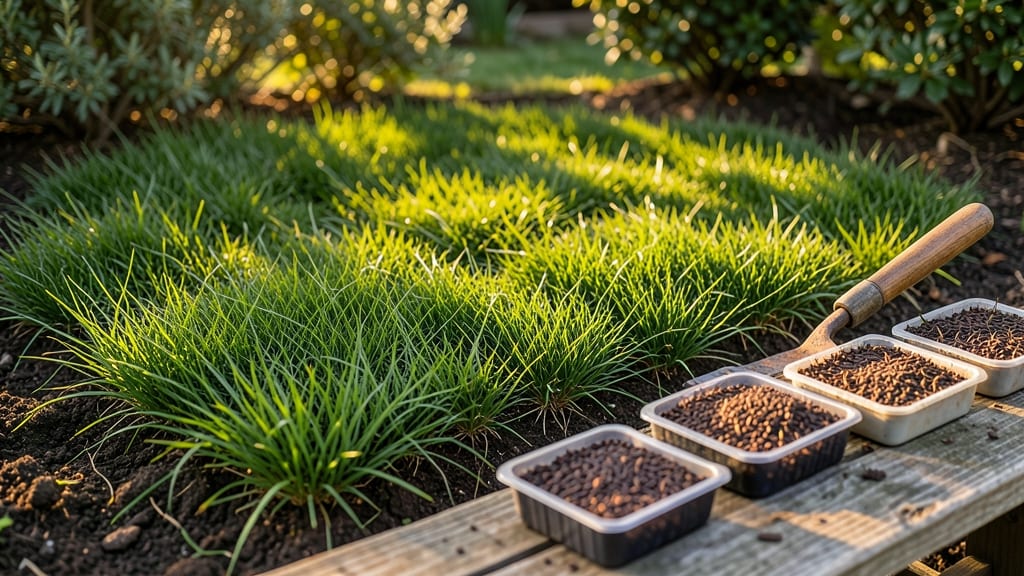
Planting Bermuda grass seed in Texas at the right time ensures fast germination and a lawn that thrives in the heat—aim for late spring when soil temperatures hit 75°F+.
Miss that window, and you risk seedlings struggling under summer’s intensity. The difference between a lush, drought-resistant lawn and a patchy mess often comes down to timing, especially in Texas’s varied climate zones.
North Texas (like Dallas) can start as early as April, while South Texas (Houston and beyond) waits until May or June to avoid early heat stress.
Below, I’ll break down the best months by region, soil prep tips, and how to keep your new grass alive through the hottest weeks.
You’ll also learn why overseeding in fall sometimes outperforms spring planting—and how to avoid the common mistakes Texans make when rushing to get their lawns green.
Best months to plant Bermuda grass seed in Texas for optimal germination
Timing is everything when planting Bermuda grass seed in Texas. Unlike cool-season grasses, Bermuda thrives in heat and drought, but it needs the right conditions to germinate. Plant too early, and seedlings may rot from cool, wet soil.
Plant too late, and summer heat can stress young plants. The ideal window balances soil warmth (75°F+) with consistent rainfall—a tricky combo in Texas’s varied climate.
Texas spans USDA zones 8a–10b, meaning North Texas (e.g., Dallas) and South Texas (e.g., Houston) have different frost-free periods. North Texas has cooler springs and earlier frosts, while South Texas enjoys longer growing seasons.
Your planting strategy should match your region’s microclimate to avoid common pitfalls like seedling blight or dormancy.
Bermuda grass seed germinates best when soil temperatures stay above 75°F for 7+ days. In Texas, this typically aligns with late May through July for most regions. However, South Texas can start as early as mid-April, while North Texas may need to wait until early June. Always check a soil thermometer—this tool is your best friend for precision.
Here’s how Texas’s three main climate zones stack up for Bermuda grass planting, including the best months, soil prep tips, and regional quirks:
While late spring/early summer is the classic window, some Texans swear by fall planting (September–October). The trade-off? Fall seedlings establish roots before winter, but they face cooler soil and weed competition.
For new lawns, spring planting wins for faster establishment. For overseeding, fall can be a game-changer—just avoid planting after September 15 in North Texas to prevent frost damage.
One critical mistake I see in Texas gardens? Planting Bermuda grass seed when the air temperature is hot but the soil is still cool. Always check soil temperature, not just the weather forecast.
Bury a soil thermometer 2–4 inches deep for accurate readings. Pro tip: Morning is the best time to check—soil cools overnight, and you want to catch the warmest daily temp.
After planting, consistent moisture is non-negotiable. Bermuda grass seed needs 1 inch of water weekly (or daily light watering) until germination. Use a sprinkler with fine mist to avoid displacing seeds.
In South Texas’s humidity, reduce watering slightly to prevent disease, but North Texas may need supplemental irrigation during dry spells.
If you’re in North Texas and miss the spring window, don’t despair—Bermuda grass is dormant-tolerant. You can still plant in early August, but expect slower growth. For South Texas, extend your window to early July to avoid summer dormancy.
The key is to plant when soil temps stay above 75°F for 10+ days, not just when the air feels warm.
For fastest results, aim for June planting in most of Texas. This gives seedlings 6–8 weeks to establish before summer’s peak heat. Pair this with proper soil prep (tilling, weed control, and a slow-release fertilizer), and you’ll have a dense, drought-resistant lawn by late summer.
Just remember: Patience is key—Bermuda grass grows aggressively once established, but those first few weeks are critical.
🌱
How to prepare your Texas lawn for Bermuda grass seed planting
Preparing your Texas lawn for Bermuda grass seed requires precision—especially in our hot, dry climate. Skipping steps like soil testing or weed control can lead to patchy growth or even failure. I’ve learned the hard way that Bermuda grass demands warm soil (75°F+) and consistent moisture to thrive.
Let’s break down the essential prep work to ensure your seed takes root like a pro.
First, test your soil pH—Bermuda grass prefers a range of 6.0–7.0. If your soil is too acidic (<6.0), add lime 4–6 weeks before planting. Too alkaline? Use sulfur or peat moss to adjust.
I once planted without testing and ended up with yellowing grass—a classic sign of pH issues. Don’t make my mistake!
Next, clear weeds and debris thoroughly. Bermuda grass is aggressive, but it can’t compete with crabgrass or clover for space. Use a pre-emergent herbicide like pendimethalin 2 weeks before planting, or hand-pull weeds for organic control. Pro tip: Mow existing grass short (¼ inch) to reduce competition.
🌱 Step-by-Step Prep Checklist for Bermuda Grass Seed
-
1. Test Soil pH
Aim for 6.0–7.0; amend with lime or sulfur if needed. -
2. Till the Soil
Loosen top ¼ inch with a rototiller to improve seed contact. -
3. Level the Ground
Rake to remove clumps and create a smooth surface for even seed distribution. -
4. Set Up Irrigation
Install drip lines or sprinklers for consistent moisture (1 inch/week). -
5. Protect from Shade
Use shade cloth (30–50%) if planting in partial shade areas. -
6. Post-Planting Care
Keep soil moist (not soggy) for 2–3 weeks; avoid walking on new seed.
After prepping, plant your seed in late spring (May–June) when soil temps hit 75°F+. Spread seed at ½ lb per 100 sqft and lightly rake it in. Water immediately to activate germination, then maintain daily moisture for the first 2 weeks.
Many Texans rush this step and end up with uneven germination—patience is key!
Avoid these common mistakes: overwatering (causes seed rot), planting too early (cooler soil delays growth), or skipping fertilizer (use starter fertilizer with high phosphorus to boost roots). I’ve seen lawns fail because of these oversights—don’t let that happen to yours!
Once your Bermuda grass is established (after 4–6 weeks), you’ll have a drought-resistant, heat-loving lawn that stays green year-round. Just remember: prep work is half the battle in Texas’s brutal climate. With these steps, you’re set for success! 🌱