
Planting
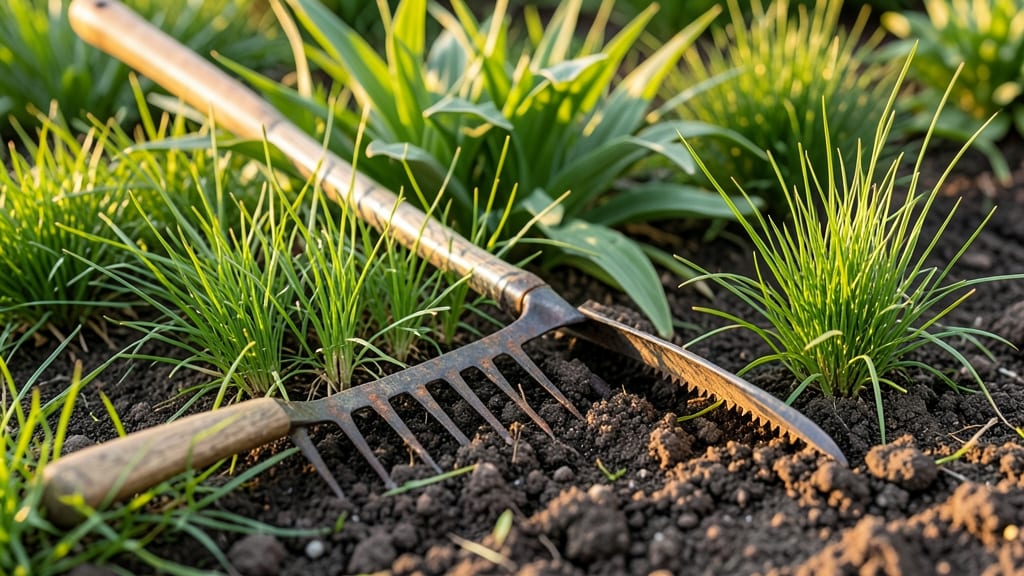
Planting grass seed in Southern California at the right time means the difference between a lush, green lawn and a patchy, struggling mess.
Struggling to get your Southern California lawn looking lush and green? Timing your grass seed planting to match soil temperatures and seasonal conditions can mean the difference between a thriving yard and wasted effort.
Most gardeners in USDA Zones 9b-11 miss the best window because they don’t account for the heat of summer or the dry spells that can stall germination.
The optimal months are late summer to early fall or late winter to early spring, when soil temps hover between 60-75°F—perfect for seedling growth.
Below, I’ll walk you through the exact soil temperature ranges, the best grass types for your microclimate, and how to prep your yard for fast, reliable germination—no guesswork, just results.
Optimal soil temperature ranges for planting grass seed in Southern California
Getting your Southern California lawn to grow from seed depends heavily on one critical factor: soil temperature. Unlike many regions, SoCal's microclimates create unique challenges, where coastal areas stay cooler longer than inland desert-like zones.
Understanding these temperature ranges ensures your grass seed germinates quickly and establishes strong roots before summer heat or winter dormancy sets in.
For cool-season grasses like Tall Fescue and Ryegrass, the sweet spot is 55-65°F in the top 2-3 inches of soil. These varieties thrive in our cooler months and can handle light frosts, making them ideal for fall planting or early spring.
Meanwhile, warm-season grasses such as Bermuda or Zoysia prefer 65-75°F soil, perfect for our late summer to early fall transition when daytime temps are still warm but nights begin cooling.
Here’s the key: Soil temperature isn’t the same as air temperature. A sunny 90°F day can still hide 60°F soil in shaded areas, while inland valleys might see 80°F soil even when coastal regions sit at 65°F.
That’s why checking with a soil thermometer or moisture sensor is non-negotiable—it’s your germination insurance policy.
🌱
Inland areas like the Inland Empire or Coachella Valley often see soil temperatures hit 80°F+ by mid-summer, which can stress or kill newly planted grass seed. That’s why late summer planting (August-September) works best here—soil stays warm enough for warm-season grasses while avoiding the peak heat of July.
Coastal areas like Malibu or San Diego, however, can plant cool-season grasses as late as October thanks to their milder microclimate.
To check your soil temperature, use a simple $10 soil thermometer inserted 2-3 inches deep. Early morning (before 9 AM) is the best time to test, as surface temps spike during the day.
If your soil runs below 55°F for cool-season grasses or above 80°F for warm-season types, wait a week or two—your patience will pay off with faster germination and stronger roots.
Pro tip: Moisture sensors (like those used in smart irrigation systems) can also give you a rough estimate of soil warmth. Warmer soil holds moisture differently than cooler soil, so if your sensor shows consistent moisture without frequent watering, your soil is likely in the ideal temperature range for planting.
Another trick is to observe nearby lawns or gardens. If you see clover or weeds sprouting aggressively in your yard, your soil is probably in the 65-75°F range—perfect for warm-season grasses.
Conversely, if your lawn looks dormant or brown despite watering, soil temps may be too low for cool-season varieties.
Remember, Southern California’s USDA Zones 9b-11 mean we avoid frost, but we still deal with heat stress. Always water deeply after planting to help seeds stay cool and hydrated during germination. A light mulch layer (like straw) can also retain moisture and moderate soil temperature.
Timing your planting to match soil temperature isn’t just about avoiding failure—it’s about maximizing your lawn’s potential. When done right, you’ll see lush green growth within weeks, not months. And in a climate where water conservation is key, proper timing means less waste and more long-term success.
🌿
Best months to plant grass seed by grass type in Southern California
Southern California's unique microclimates and seasonal rainfall make timing critical for successful grass seed germination. Coastal areas like Malibu and San Diego have milder winters, while inland regions like Palm Springs experience hotter summers. Understanding these variations helps you choose the right planting window for your grass type.
Cool-season grasses like Tall Fescue and Ryegrass thrive in cooler temperatures (55-65°F), while warm-season varieties such as Bermuda and Zoysia prefer warmer soil (65-75°F). Planting at the wrong time can lead to poor germination or stress on young seedlings. Let's break down the best month-by-month planting schedule for each type.
For cool-season grasses, the September-October window aligns with fall rains and cooling temperatures, creating perfect conditions for germination. If you're overseeding an existing warm-season lawn, aim for late October to take advantage of consistent moisture without summer heat stress.
Warm-season grasses like Bermuda and Zoysia should be planted in late spring (April-May) when soil temperatures consistently stay above 65°F. Inland areas can extend planting into August-September, but coastal regions may need to start earlier due to milder conditions.
Always check soil temps with a soil thermometer before planting.
Southern California's transition periods (March-April and September-October) can be tricky. If planting during these months, use a shade cloth to protect seedlings from intense afternoon sun. Also, water deeply in the morning to prevent fungal diseases that thrive in high humidity conditions.
Remember, rainfall patterns vary dramatically across the region. Coastal areas like Santa Barbara receive more consistent moisture, while inland desert regions may require supplemental irrigation. Adjust your planting timeline based on your local climate data to ensure the best germination success.