
Pruning
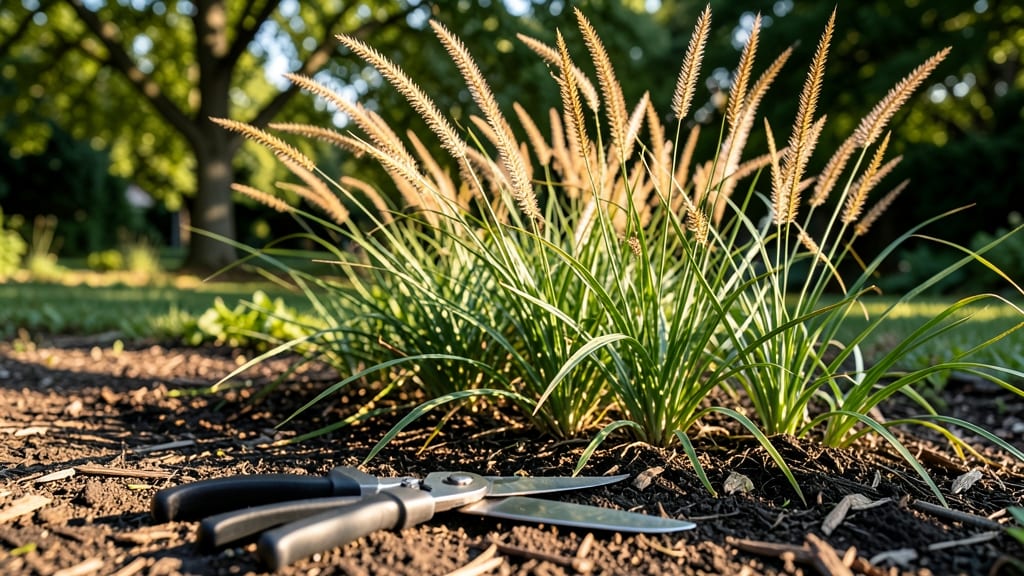
Trimming fountain grass transforms it from scraggly to showstopping—year-round. ✂️ I’ve spent years perfecting the timing and technique, and the difference between a wild clump and a polished ornamental is all in the cuts.
The secret isn’t just when you trim, but how—and I’ll show you exactly where to start. Start with the right tools: sharp bypass pruners for clean cuts and heavy-duty shears for thicker stalks. The best time?
Late winter or early spring, when new growth begins but before it gets too leggy. Cut back one-third of the plant’s height to encourage bushiness, and never trim into bare stems—always leave a few inches of growth.
You’ll end up with a fountain grass that looks manicured in summer, holds its shape in winter, and grows 20% fuller than before. The key is patience: over-trimming stunts growth, while the right cuts make it thrive. Even my black thumb can’t mess this up.
Works for all Pennisetum varieties—whether you’ve got ‘Little Bunny,’ ‘Hameln,’ or ‘Jade Foxtail.’ Let’s get those blades in shape!
📚 In This Guide
- What you need
- Instructions
- Tips and common mistakes
- Wrapping up and next steps
What you need
- ● Heavy-duty pruning shears or hedge shears – Look for bypass-style blades (8–12" length) for clean cuts. Sharpness is key!
- ○ Pruning saw (optional but helpful) – For thicker stems (if your fountain grass has matured). A curved blade works best.
- ● Gloves (cut-resistant) – Fountain grass has serrated edges—protect your hands! (Leather or heavy-duty gardening gloves recommended.)
- ○ Loppers (optional) – For stubborn, thicker growth at the base.
- ○ Pruning shears with a ratchet mechanism (optional) – Reduces hand fatigue for larger jobs.
- ● Wheelbarrow or large trash bags – To haul clippings. Fountain grass debris can be bulky!
- ● Choose the right time – Trim in late winter or early spring (before new growth) or mid-summer for a neater look.
- ● Check the weather – Do this on a dry, calm day to avoid muddy conditions or wind-blown debris.
- ● Clear the area – Remove rocks, mulch, or obstacles within a 3-foot radius of your fountain grass.
- ○ Water the plant (optional) – Lightly water 24 hours before pruning to reduce stress on the plant.
- ● 🔥 Disinfect tools – Wipe blades with rubbing alcohol before and after to prevent disease spread.
- ● ✨ Use a string line – Stake a temporary guide to maintain symmetry if trimming multiple plants.
- ● 🌡️ Work in layers – Trim 1/3 of the plant’s height at a time to avoid shocking it.
Instructions for trimming fountain grass like a pro
Here's how I keep fountain grass looking lush and full year-round with minimal effort.
✂️ Step 1: Time Your First Cut for Peak Growth
Wait until late spring when new growth reaches about 6-8 inches tall. This is your first signal that the grass is ready—you'll see fresh, vibrant shoots emerging from the base. Cutting too early removes last year's growth and weakens the plant.
Use sharp pruning shears or a clean string trimmer to make your first cut. I like to trim about one-third of the plant's height at once. This encourages bushier growth rather than letting it grow tall and leggy. Avoid cutting into the old, brown center—this is where new growth originates.
✂️ Step 2: Shape Gradually Through the Season
After the first cut, maintain the shape by trimming lightly every 4-6 weeks during the growing season. The goal is to keep the plant compact and full, not to create a perfect ball. You'll know you're doing it right when you see new growth filling in any gaps from the previous cut.
Work in sections to avoid over-trimming. I start at the top and gradually work my way down, keeping the sides slightly wider than the center. This creates that classic fountain shape while allowing light to reach the center for healthy growth. Never remove more than one-third of the plant's height in a single session.
✂️ Step 3: Prepare for Winter Dormancy
In late fall, stop trimming entirely. Let the grass grow naturally until it turns brown and goes dormant. This natural process protects the plant during winter. When spring arrives, you'll see fresh green shoots emerging from the base—this is your cue to begin trimming again.
If you live in a cold climate, you can give the plant a light trim in early winter to remove any dead or damaged foliage. Use clean, sharp tools to avoid tearing the leaves. This light maintenance helps the plant look tidy while still allowing it to go dormant naturally.
✂️ Step 4: Revive and Reshape in Early Spring
As soon as you see new growth in early spring, it's time to revive your fountain grass. Use clean shears to trim back any dead or brown foliage from the previous season. Cut just above the new green shoots to encourage fresh growth. This is also the perfect time to reshape the plant if it has lost its form over winter.
After the initial trim, continue light maintenance every 4-6 weeks to keep the plant looking its best. Watch for any signs of disease or pest damage—healthy fountain grass should have vibrant green leaves and a full, bushy appearance. If you notice any brown spots or wilting, address the issue immediately to keep your plant thriving.
Tips & tricks for perfect fountain grass pruning
These simple strategies will help you keep your fountain grass looking full and vibrant all season long.
Tool Prep: Always use clean, sharp tools before trimming—dull blades tear leaves and stress the plant. I like to sanitize my pruning shears with rubbing alcohol between uses, especially when working with multiple plants. This prevents disease spread and keeps cuts clean. For string trimmers, check for any debris caught in the line that could snag during trimming.
Seasonal Timing: In Step 1, when waiting for that 6-8 inch growth signal, look for fresh green shoots at the base rather than just height. The vibrant color indicates active growth—this is when the plant can handle its first cut. I've found that trimming too early (when growth is still brown at the base) weakens the plant for the entire season. The same principle applies in Step 4: those new spring shoots should be bright green before you trim again.
Shape Maintenance: During your 4-6 week maintenance trims (Step 2), focus on creating visual balance rather than geometric perfection. I start by trimming the top third first, then work downward—this prevents accidentally cutting into the old center. For a more dramatic fountain shape, you can gradually taper the sides more than the center, but never remove more than one-third of the height in any single session. This rule applies to both spring shaping and seasonal maintenance.
Winter Care: That light early winter trim mentioned in Step 3 is optional but helpful in cold climates. I only do it if I notice dead leaves accumulating—never more than a light touch. The key is to let the plant go dormant naturally. I've seen many gardeners over-trim in winter, which actually stresses the plant and can prevent spring regrowth. If you must trim, focus only on removing truly dead material, not shaping.
Pro Tips for Trim Fountain Grass
- These simple strategies will help you keep your fountain grass looking full and vibrant all season long.
- Tool Prep: Always use clean, sharp tools before trimming—dull blades tear leaves and stress the plant.
- Seasonal Timing: In Step 1, when waiting for that 6-8 inch growth signal, look for fresh green shoots at the base rather than just height.
Frequently asked questions
Got questions about keeping your fountain grass looking its best? We’ve got answers!
Whether you're a pruning pro or a first-timer, these FAQs will help you trim like a pro while keeping your landscape lush and low-maintenance.
When is the best time to trim fountain grass?
The ideal time to trim fountain grass is late winter or early spring, right before new growth emerges. This removes dead foliage and encourages fresh, vibrant growth. Avoid trimming in fall—it can stunt winter hardiness. For a neat year-round look, light touch-ups are fine, but never cut more than one-third of the plant at once.
How short can I trim fountain grass without harming it?
Fountain grass thrives with 12–18 inches of height, but you can trim it down to 6–8 inches in early spring for a bold shape. Never trim below 4 inches, as this can damage the crown and reduce winter survival. For a natural, layered look, use shears or a string trimmer to follow the plant’s natural curves.
What if my fountain grass looks ragged after trimming?
Ragged edges happen when you cut too unevenly or too close to the base. Fix it by:
- Using sharp, clean shears for precise cuts.
- Trimming in layers (start at the top, work your way down).
- Raking up debris after trimming to neaten the base.
Can I trim fountain grass in summer? If so, how?
Yes, but go easy—summer trims should be minimal to avoid stressing the plant. If you notice overgrown or leggy growth, trim only the tips (no more than 10%) to encourage bushiness. Avoid trimming in extreme heat (above 90°F/32°C)—wait until early morning or late evening for the best results.
What’s a good alternative if I don’t want to trim fountain grass?
If pruning isn’t your thing, try these low-maintenance alternatives:
- Ornamental grasses like Miscanthus or Pennisetum
- Shrubs with natural shape (e.g., boxwood or abelia)
- Succulents or drought-tolerant perennials (e.g., lavender or sedum)
Wrapping up and next steps
Trimming fountain grass doesn’t have to be daunting—with the right tools, timing, and technique, you can achieve a lush, bushy look that stays vibrant all year. Remember, consistency is key: regular maintenance keeps your grass healthy, prevents overgrowth, and ensures a clean, polished appearance.
Whether you’re tackling it yourself or hiring a pro, your effort will pay off in a stunning, low-maintenance landscape feature.
Ready to take the next step? Grab your tools, set a date (like early spring or late fall), and give your fountain grass the care it deserves. Your garden will thank you! 🌿✂️