
Lawn
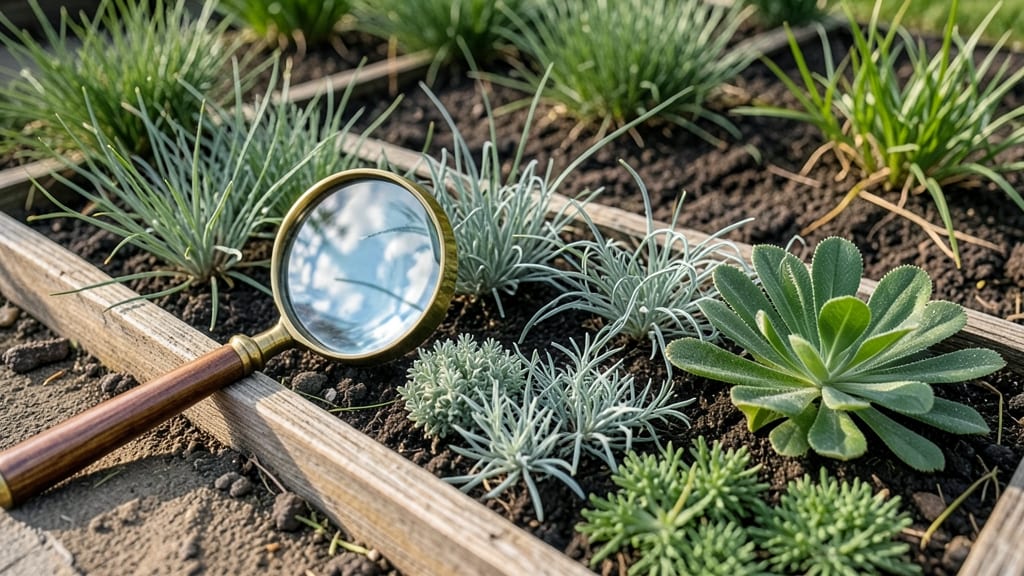
How to figure out what type of grass you have starts with a close look at what’s already growing—because the wrong mowing height or fertilizer can turn your lawn from lush to limp, but knowing your grass type means you’ll finally choose the right care. care routine.
Bermuda grass stays short and dense, while Kentucky bluegrass spreads wider with broader blades—just two examples of how visual clues reveal everything.
Grab a sample by snipping a small section near the base (about 3-4 inches long) and compare it to reference charts online or in local extension guides. Pay attention to leaf width, growth habit, and whether it’s cool-season (like fescue) or warm-season (like zoysia).
Most homeowners can ID their grass within 10 minutes using just these simple steps.
Once you know, your lawn care transforms—no more guessing on watering, mowing, or overseeding. Cool-season grasses thrive in spring/fall, while warm-season types peak in summer. A quick ID now means healthier grass and fewer wasted dollars on the wrong products.
Still stuck? Local nurseries or university extension offices often have grass samples on display, or you can snap a photo and ask for help. This is your first step toward a lawn that stays green year-round—no more trial and error.
Grass Identification Challenges Explained
Understanding why identifying your grass type can feel like solving a puzzle starts with recognizing the natural and human-made factors at play. Grass species evolve differently based on their environment, and even within the same yard, variations can arise due to soil, climate, or maintenance habits.
Here’s a breakdown of the key reasons why figuring out your grass type might be tricky—and how to work with (or around) them.
Grass thrives in specific environmental zones, and your local climate and soil type are the foundation of its identity. For example: - Cool-season grasses (like Kentucky bluegrass or fescue) dominate northern regions with colder winters and moderate summers.
Their deep root systems and slower growth adapt to nutrient-rich, well-drained soils. - Warm-season grasses (such as Bermuda or St. Augustine) flourish in southern climates with hot summers and mild winters. They thrive in sandy, acidic soils and go dormant in cooler months to conserve energy.
Why it matters: If your yard sits in a transition zone (where cool and warm seasons overlap), you might have a mix of grass types struggling to dominate. Soil pH and composition also play a role—acidic soils favor warm-season grasses, while alkaline soils suit cool-season varieties.
Many lawns aren’t planted from a single type of grass but from a seed mix designed for durability, color, or drought resistance.
These blends can include: - Tall fescue blends (often mixed with Kentucky bluegrass for density). - Buffalo grass mixes (combined with blue grama for hardiness). - Hybrid grasses (like Tifway 419 Bermuda, bred for disease resistance).
Why it matters: Hybridization or mixed planting means your lawn might have traits from multiple species, making identification harder. For instance, a patch of grass might look like Kentucky bluegrass but have the heat tolerance of tall fescue.
How you care for your lawn directly impacts its appearance—and sometimes, its identity.
Common stressors include: - Overwatering or underwatering: Causes thinning, discoloration, or even death in sensitive species like St. Augustine, which requires consistent moisture. - Mowing height: Cutting grass too short (scalping) weakens cool-season grasses like ryegrass, while warm-season types (like Zoysia) recover better from low mowing. - Fertilizer use: Excess nitrogen can make grass grow faster but may also encourage weeds or alter its natural color.
Phosphorus-heavy soils favor Bermuda grass, while potassium supports drought resistance in tall fescue.
Why it matters: Stress can mask a grass type’s true characteristics. For example, a lawn might appear brown and patchy due to drought, making it look like dead grass when it’s actually dormant warm-season grass recovering.
Grass isn’t just shaped by its genetics—it’s also under siege from external threats: - Fungal diseases (like brown patch or dollar spot) discolor leaves, making identification harder.
For example, a lawn infected with gray leaf spot might look like it’s suffering from heat stress when it’s actually a fungal issue. - Insect damage (grubs, chinch bugs, or sod webworms) create irregular patches.
Grubs, for instance, target the roots of cool-season grasses like Kentucky bluegrass, leading to yellowing and thinning. - Animal activity: Rabbits, deer, or even pets can graze selectively, leaving behind a mix of chewed and healthy grass, further complicating identification.
Why it matters: Damage alters a grass type’s natural appearance. A lawn might look like it’s struggling with poor soil when it’s actually battling take-all root rot, a fungal disease common in cool-season grasses.
Some grass types look nearly identical, especially when young or stressed.
Common lookalikes include: - Kentucky bluegrass vs. annual bluegrass: Both have boat-shaped seed heads, but annual bluegrass is coarser and thrives in wetter conditions. - Bermuda grass vs. Zoysia: Both have fine blades and go dormant in winter, but Bermuda has a more aggressive spread and a wiry texture. - Fescue vs. ryegrass: Both are cool-season grasses, but fescue has a deeper root system and stays green longer in heat.
Why it matters: Without close inspection (or a leaf test), you might confuse a hardy grass like fine fescue for a high-maintenance type like St. Augustine, leading to mismatched care routines.
Older lawns often have grass types planted decades ago, which may no longer match current trends or climate needs. For example:
- Creeping bentgrass (common in older northern lawns) is drought-sensitive and struggles in modern heatwaves.
- Centipede grass (popular in the Southeast) can decline if over-fertilized with nitrogen.
Why it matters: If no one has actively maintained or tested the lawn, the original grass type might have been lost to time—or replaced by weeds or more resilient species.
Since grass identification isn’t always straightforward, focus on observing patterns rather than expecting a perfect match. Note: - Growth habits (spreading vs. bunching). - Leaf texture (fine vs. coarse). - Seasonal changes (dormancy in summer vs. winter).
Use these traits to narrow down possibilities before running tests (like the leaf blade or seed head analysis mentioned in the article). Often, the "why" behind your grass’s behavior is the first step to solving it!
Identify and Fix Grass Type Issues
Now that you understand why identifying your grass type matters, let’s tackle the practical steps to solve common challenges—whether you’re dealing with misidentification, overgrowth, or lawn care confusion. Here’s how to diagnose and fix issues based on your grass type, plus tips to keep your lawn thriving long-term.
If your lawn doesn’t match the common types (like Bermuda, Kentucky Bluegrass, or Fescue), you might be dealing with a mix or an invasive species. Here’s how to correct it:
🌱 Step 1: Confirm with a Leaf Test
Before panicking, verify your grass type:
- Roll the leaf: Cool-season grasses (like Fescue) roll easily; warm-season grasses (like Zoysia) resist.
- Check leaf edges: Smooth edges = Kentucky Bluegrass; rough edges = Tall Fescue.
- Observe growth pattern: Spreading (Bermuda) vs. clumping (St. Augustine).
Pro tip: 💡 Take a clear photo and compare it to [USDA grass identification guides](https://www.usda.gov/) for a second opinion.
🌿 Step 2: Adjust Care Based on Type Mistaking your grass type can lead to over/under-watering or incorrect fertilizing.
Fix it with these tweaks: - Cool-season grasses (grow in spring/fall): - Water: 1–1.5 inches per week, deeper but less frequent. - Fertilize: Early spring and fall with slow-release nitrogen. - Warm-season grasses (thrive in summer): - Water: Light, frequent watering (early morning) to encourage deep roots. - Fertilize: Late spring/early summer with phosphorus-heavy feed.
Prevention: ✨ Label your lawn care schedule with the grass type to avoid future mix-ups.
If your grass is struggling, the issue might be environmental or care-related. Here’s how to revamp it:
🌡️ Thinning Grass: Soil or Water Issues?
- Cause: Compacted soil, drought, or thatch buildup.
- Fix:
- Aerate in spring/fall to relieve compaction (rent a core aerator).
- Water deeply 2–3 times per week during dry spells.
- Dethatch if the layer exceeds 0.5 inches (use a rake or vertical mower).
Pro tip: 🌡️ Test your soil’s pH (ideal: 6.0–7.0 for most grasses). Adjust with lime (raise pH) or sulfur (lower pH).
🐜 Pest or Disease Damage
- Brown patches? Likely chinch bugs or fungal issues.
- Treatment: Apply grub control in early summer; fungicide if moldy spots appear.
- Yellowing leaves?
Could be grubs or nutrient deficiency. - Fix: Apply milky spore powder for grubs; re-fertilize with iron if deficient.
Prevention: 🎯 Mow high (3–4 inches) to shade out weeds and retain moisture.
If your lawn is a blend (e.g., Bermuda + Clover), decide whether to keep or replace based on:
- Desired look: Clover stays green in drought but attracts bees.
- Maintenance: Bermuda spreads aggressively; Fescue is low-maintenance.
- Climate: Match grass to your USDA zone (e.g., St. Augustine in humid South).
How to transition:
- Kill the unwanted grass with a non-selective herbicide (like glyphosate).
- Seed or sod the desired grass in early fall (cool season) or late spring (warm season).
- Water lightly daily for 2 weeks to help new grass establish.
Pro tip: 🔥 For a gradual shift, overseed with the new type while the old one’s still alive—it’ll outcompete over time.
Need a cheat sheet? Here’s how to match symptoms to solutions:
| Issue | Likely Cause | Solution | Prevention |
|---|---|---|---|
| Thin, patchy grass | Compaction/drought | Aerate + deep watering | Test soil moisture monthly |
| Brown spots | Fungal disease | Fungicide + improve drainage | Mow at 3–4 inches |
| Weedy invasion | Over-fertilized or bare | Overseed + pre-emergent herbicide | Keep grass 3+ inches tall |
| Slow growth | Nutrient deficiency | Soil test + balanced fertilizer | Top-dress with compost annually |
Once you’ve identified your grass, maintain it with these habits:
- Mow smart: Never remove more than ⅓ of the blade at once.
- Feed seasonally: Cool-season grasses = spring/fall; warm-season = summer.
- Watch for changes: Note when grass turns color or grows differently—it’s a clue!
By addressing issues early and tailoring care to your grass type, you’ll avoid costly mistakes and enjoy a lush, healthy lawn all year. 🌱
Frequently asked questions
What’s the quickest way to tell if my grass is cool-season or warm-season?
Look at when your grass is most active: cool-season types (like Kentucky bluegrass) grow best in spring and fall, while warm-season grasses (like Bermuda) peak in summer. Another trick: warm-season grasses often go dormant in winter, turning brown but reviving when temperatures rise.
Can I identify grass just by looking at the seed heads?
Yes! Seed heads are a key clue—Kentucky bluegrass has boat-shaped seeds, while Bermuda produces wiry, tufted clusters. For fescue, look for seed heads that grow in dense bunches. Snap a photo and compare it to a reference chart if you’re unsure.
Why does my grass look different in different parts of the yard?
Your lawn might have a mix of grass types or be reacting to soil conditions. For example, shady spots often grow fine fescue (which tolerates low light), while sunny areas might have Bermuda or Zoysia. Test a few samples from each area to confirm.
Is there a tool or app to help identify grass types?
Yes! Try the USDA Plant Identification App or PictureThis—upload a photo of your grass, and they’ll suggest matches. Local Cooperative Extension offices also offer free grass ID services if you need expert help.
What if my grass doesn’t match any common types?
You might have a hybrid, a mix, or an invasive species. Check for clover (broad leaves), nutgrass (purple seed heads), or creeping Charlie (tooth-edged leaves). If it’s truly unknown, collect a sample and mail it to a plant diagnostic lab for analysis.