
Plants
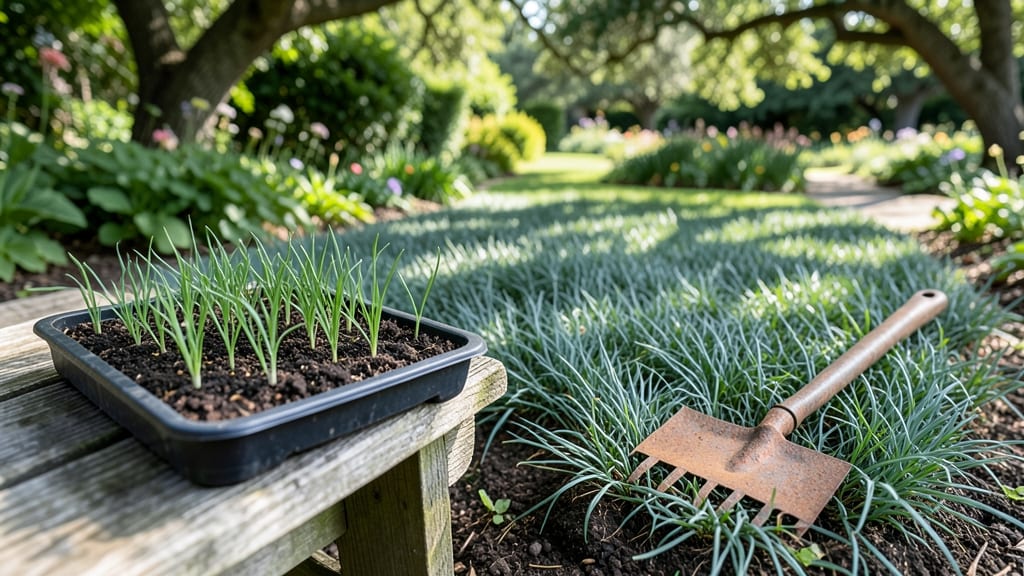
To plant grass seed in Zone 5, aim for early spring or early fall when soil temperatures are ideal for germination—typically between 50°F and 65°F.
Planting grass seed at the wrong time in Zone 5 can mean the difference between lush green lawns and patchy, struggling growth—or even complete failure. Timing isn’t just about the calendar; it’s about soil temperatures, weather patterns, and grass type compatibility.
In Zone 5, late March through April and September through early October are your best bets. These windows give young grass roots time to establish before summer heat or winter frost sets in. Skipping this timing can leave your lawn thin, weak, or worse—starting from scratch again next year.
Below, I break down the exact soil temperatures to watch for, the best months for your region, and how to prep your lawn for the best root growth—so you can enjoy a thick, green carpet all season long.
Optimal soil temperature ranges for planting grass seed in Zone 5
Zone 5 gardeners know timing is everything when planting grass seed. Cool-season grasses like Kentucky bluegrass and tall fescue thrive in 50-65°F soil temperatures, while warm-season varieties (like Bermuda grass) need 65-75°F to germinate.
Since Zone 5 experiences variable spring and fall temps, checking soil temperature before planting is non-negotiable.
Most cool-season grasses in Zone 5 germinate best when soil temps hover between 50-65°F (10-18°C).
This typically aligns with early spring (March-April) or early fall (September-October), after the last frost but before summer heat sets in. Warm-season grasses, however, prefer warmer soil (65-75°F), which is rare in Zone 5's cooler climate.
Here’s why soil temperature matters: Seeds need warmth to activate enzymes that kickstart germination. Below 50°F, seeds may rot in cold, wet soil. Above 75°F, cool-season grasses can suffer heat stress.
Zone 5’s unpredictable frost dates add another layer of complexity—planting too early risks frost damage, while waiting too long may mean missed growing windows.
To test soil temperature accurately, use a soil thermometer (available for under $10). Insert it 2-3 inches deep in shaded soil—this mimics where seeds will germinate. Check temps in the morning for consistency. If temps fluctuate daily, wait until they stabilize for 3-5 days before planting.
| Grass Type | Ideal Soil Temp (°F) | Best Planting Window | Zone 5 Notes |
|---|---|---|---|
| Cool-Season (Kentucky Bluegrass, Tall Fescue, Fine Fescue) | 50–65°F (10–18°C) | Early Spring (March–April), Early Fall (Sept–Oct) | Germinates in 7–21 days; avoid planting when soil temps drop below 40°F. |
| Warm-Season (Bermuda, Zoysia, Buffalo Grass) | 65–75°F (18–24°C) | Late Spring (May–June) | Rare in Zone 5; may require black plastic mulch to warm soil. |
| Ryegrass (Annual Cool-Season) | 45–60°F (7–15°C) | Late Summer (Aug–Sept) | Fast germinator; often used as a winter cover crop. |
Adjust your planting schedule based on Zone 5’s microclimates. Northern Zone 5 (e.g., Chicago, Minneapolis) has cooler soils, so aim for late April or early September. Southern Zone 5 (e.g., St. Louis, Kansas City) can plant 2–4 weeks earlier due to warmer springs and falls.
Always check your local frost dates—planting 4–6 weeks before the last frost ensures seeds germinate before freezing temps return.
If soil temps are too cold, warm the soil with black plastic mulch or a cold frame to accelerate germination.
For warm-season grasses, consider container growing in warmer microclimates or use heat mats in early spring. Never plant when soil is waterlogged or frozen—this leads to rot and poor establishment.
Pro tip: Pair soil temp checks with weather forecasts. A 5-day forecast of stable temps above 50°F is ideal. If rain is predicted, delay planting until conditions dry out—wet soil slows germination and increases disease risk.
In Zone 5, September often outperforms spring because soils stay warm longer and weeds are less competitive.
Monitor your new lawn’s progress by tracking soil moisture and air temps. Keep seeds consistently moist (not soggy) until germination. Once sprouts appear, reduce watering slightly to prevent fungal issues.
With the right soil temps and care, your Zone 5 lawn will establish deep roots and lush growth in just a few weeks.
Remember: Patience is key. Rushing planting because of calendar dates often backfires. Trust your soil thermometer, not just the calendar, and your grass seed will reward you with vigorous, healthy growth all season long. 🌱
Best months to plant grass seed in Zone 5: month-by-month guide
In Zone 5, where frost dates can swing dramatically, timing your grass seed planting is everything. Cool-season grasses like Kentucky bluegrass and tall fescue thrive when soil temperatures hover between 50°F and 65°F.
Planting too early risks frost damage, while waiting too late means summer heat stress. Let’s break down the best months and what to watch for each.
Your primary planting windows in Zone 5 are early spring (March-April) and early fall (September-October). These periods offer cooler temperatures, consistent moisture, and minimal weed competition.
Late summer (August) is a secondary option for warm-season grasses like zoysia, but most Zone 5 gardeners focus on cool-season varieties.
Soil temps reach 50°F+. Ideal for Kentucky bluegrass and ryegrass. Avoid planting if frost is forecasted.
Soil temps stabilize at 60°F+. Best for tall fescue. Water daily to prevent drying.
Soil temps drop to 65°F or below. Perfect for overseeding. Avoid if frost arrives early.
Summer heat stresses seedlings. Soil temps exceed 75°F, causing poor germination.
If you miss the spring window, don’t panic—September is your second-best shot. Cool evenings and warm days create ideal conditions for root establishment before winter.
For northern Zone 5 (e.g., Minnesota), aim for late August to early September, while southern Zone 5 (e.g., Oklahoma) can extend to mid-October.
Common mistakes include planting too early (risking frost kill) or too late (leaving grass vulnerable to summer drought). Always check soil temperature with a soil thermometer—aim for 50°F+ for cool-season grasses. If temps spike above 75°F, delay planting until fall.
Pro tip: Use a starter fertilizer with high phosphorus (e.g., 10-20-10) to boost root growth during your chosen planting window. Water lightly but frequently (twice daily) for the first 2 weeks to keep seeds moist. Consistency is key—uneven moisture leads to patchy germination.
Remember, Zone 5’s climate varies by location. Check your local frost dates and adjust accordingly. With the right timing, you’ll see uniform germination and a thick, lush lawn in just 4-6 weeks! 🌱