
Plants
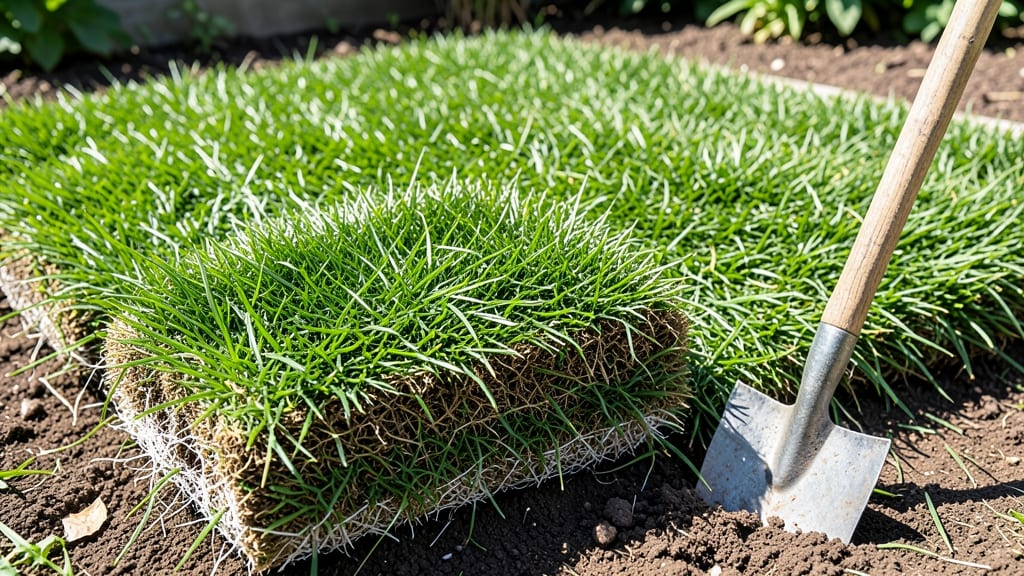
Planting Bermuda grass sod in Georgia at the right time means the difference between fast, deep roots and a lawn that struggles in the heat.
Georgia’s scorching summers and humid climate demand precision—or risk slow establishment and weak roots. Timing isn’t just about the calendar; it’s about soil temperatures that trigger explosive root growth, and we’ve broken down the exact conditions for your region.
You’ll learn the ideal soil temps (50°F–70°F) for planting, the best months by county, and how to test your soil without a degree in horticulture. Skip the guesswork and get a lawn that thrives from day one.
Whether you’re in Atlanta’s 7a zone or Savannah’s 8b, this guide covers the critical window for planting Bermuda grass sod—so you can enjoy a lush, drought-resistant yard before the summer heat peaks.
Optimal soil temperature ranges for planting Bermuda grass sod in Georgia
Bermuda grass thrives in Georgia’s heat, but soil temperature is the hidden factor that makes or breaks your sod’s success. Planting too early in cold soil stalls root growth, while waiting too long risks summer heat stress.
The sweet spot? 50°F–70°F—where roots spread aggressively without overheating. Let’s break down the exact ranges for Georgia’s three distinct regions and how to test them like a pro.
Georgia’s North region (USDA Zones 7a–7b) has cooler soils, so aim for 55°F–65°F in spring. Central Georgia (Zones 7b–8a) can handle 60°F–70°F, while the South region (Zones 8a–8b) thrives at 65°F–75°F—but only in late summer.
These ranges align with Bermuda grass’s warm-season growth cycle and Georgia’s microclimates, ensuring your sod takes off without stress.
Testing soil temperature is simpler than you think. Grab a soil thermometer (or even a meat thermometer) and check 4–6 inches deep—that’s where roots will grow. Morning is best: 7–9 AM gives you the most accurate reading before the sun heats things up.
If your thermometer reads below 50°F, wait. Above 75°F? You’re risking heat shock—plant in late afternoon to avoid midday intensity.
Here’s the game-changer: Bermuda grass sod roots best when soil temps stay consistent for 3–5 days. A sudden drop or spike can derail establishment. Use a mulch blanket (straw or pine needles) to stabilize temps if your region fluctuates wildly.
Pro tip: Water deeply before planting—moist soil warms up faster and stays stable longer.
Why does Central Georgia have two planting windows? The late summer slot (August) lets Bermuda grass establish before winter dormancy, while spring planting avoids summer’s brutal heat. For the South region, late summer is critical—soil stays warm long enough for roots to anchor before cooler temps arrive.
If you’re in North Georgia, prioritize late April to dodge late frosts that can kill young sod.
Don’t have a soil thermometer? No problem. Bermuda grass gives you clues: Yellowing within 2 weeks means it’s too cold. Wilting by midday signals soil temps are too high.
For a DIY test, press your finger into the soil—if it feels cool but not icy, you’re in the 55°F–65°F zone. Too warm? Wait until evening to lay sod and water heavily to cool the soil.
One more pro move: Amend your soil 1–2 weeks before planting. Mix in compost or peat moss to improve warmth retention and drainage. This is especially critical in clay-heavy soils (common in Central Georgia), which stay cold longer.
Aim for a sandy-loam texture—it warms up faster and drains excess moisture, both of which Bermuda grass loves.
Once your soil hits the perfect range, act fast. Bermuda grass sod should be installed within 24 hours of delivery to prevent drying. Roll it firmly to eliminate air pockets, then water immediately—1/2 inch of water per week for the first month.
Avoid walking on it for 2–3 weeks; those roots are fragile but growing at lightning speed when conditions are right.
Remember: Georgia’s humidity is your ally here. The air’s moisture helps sod recover faster from transplant shock, but overwatering can suffocate roots. Stick to deep, infrequent watering (early morning only) to keep the soil consistently moist without drowning it.
With the right soil temp and care, your Bermuda grass will go from
Best planting months by Georgia county (with heat zone maps)
Georgia’s diverse climate means your Bermuda grass sod planting window varies dramatically from the Blue Ridge Mountains to the coastal plains. In North Georgia (like Dahlonega), cooler springs delay planting until mid-April, while South Georgia (like Savannah) can start as early as late February.
Microclimates—like urban heat islands in Atlanta—can shift windows by 2-3 weeks, so check your USDA Zone (7a-8b) and local frost data.
Below is your county-by-county planting guide, aligned with historical soil temperatures and heat zone risks. Plant when daytime temps hit 70°F+ and nighttime stays above 60°F—this triggers rapid root spread in just 2-3 weeks.
Use the heat zone map to spot high-risk areas where summer drought can stress new sod.
🌱 Pro Tip: Test soil temps with a soil thermometer (bury it 4 inches deep in full sun). Aim for 65°F+ before planting—cold soil stalls root growth, leaving your lawn vulnerable to fungal diseases like brown patch.