
How To
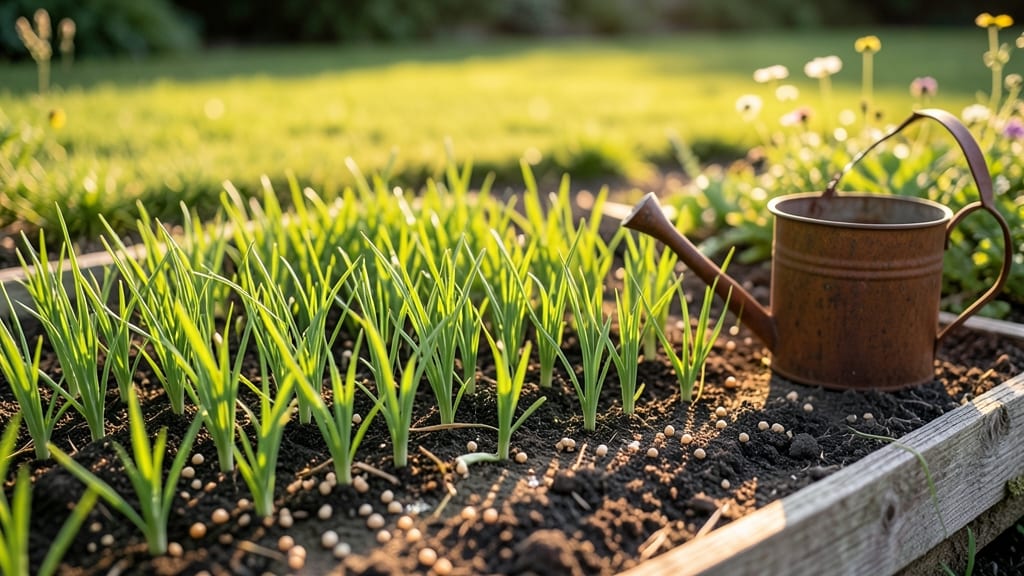
Fertilizing new grass seedlings at the wrong time can either burn their tender roots or leave them starving for nutrients they desperately need to thrive 🌱.
You’ve sown your seeds, kept them watered, and watched those first blades of green push through the soil—now what? Timing your first fertilizer application isn’t just about throwing down a bag of lawn food.
It’s about understanding when those seedlings are ready to absorb nutrients without shock, and how to avoid the two biggest mistakes that kill young grass before it even stands a chance.
Science shows the ideal window is between 3 and 6 weeks after planting, but there’s more to it than just counting days. Soil temperature, grass type, and even the weather forecast play a role in determining whether you’re giving your lawn a boost or setting it back.
Too early, and you risk overloading delicate roots; too late, and you’re playing catch-up with weeds and slow growth.
In this guide, I’ll walk you through the exact timing, the signs your seedlings are ready, and the best fertilizers to use—plus how to spot when you’ve gone wrong.
By the end, you’ll know not just when to fertilize, but how to do it for a lawn that’s thick, green, and ready for its first mowing.
Critical fertilization timeline for grass seedlings: weeks 3-6 after planting
Timing your first fertilization at weeks 3-6 after planting grass seedlings is the sweet spot for root development. This window ensures seedlings have established enough roots to absorb nutrients without risking fertilizer burn from overfeeding.
Think of it as giving your lawn a gentle growth boost when it's ready to handle it.
During these 3 critical weeks, seedlings focus energy on root expansion rather than leafy top growth. A soil test before planting reveals any nutrient deficits, helping you choose the right starter fertilizer or slow-release option.
For example, cool-season grasses like Kentucky bluegrass thrive with early feeding, while warm-season Bermuda grass needs a later push.
Here’s why this window matters: Seedlings need phosphorus (P) for root growth and nitrogen (N) for leaf development, but too much too soon can scorch tender roots. The 3-6 week range balances these needs perfectly, aligning with when most seed varieties show 2-3 inches of new growth.
Cool-season grasses like tall fescue or ryegrass often benefit from an earlier feed at week 3, as they germinate faster in cooler soils. In contrast, warm-season grasses such as centipede grass may need to wait until week 5-6 to avoid stressing their slower-starting roots.
For slow-release fertilizers, apply half the recommended dose at week 4 and the remainder at week 6. This approach mimics natural nutrient release, preventing sudden spikes that can harm seedlings. Organic options like composted manure or fish emulsion are gentler but require more frequent applications.
Adjust your timeline if seedlings show yellowing leaves or stunted growth—this could signal over- or under-fertilization. Always water thoroughly after applying fertilizer to help nutrients reach the roots. Aim for 1 inch of water within 24 hours of feeding to activate the fertilizer without causing runoff.
Pro tip: Mark your calendar for week 4 as the ideal time to test your seedlings’ response. If you see dark green blades and vigorous tillering, your timing is spot-on. If growth stalls, consider a low-nitrogen supplement like kelp meal to boost root health without overstimulating top growth.
Remember, the 3-6 week window is flexible—adjust based on your grass type and local climate. In hotter regions, seedlings may need a slightly later feed to avoid heat stress, while cooler climates can safely fertilize on the earlier side.
By mastering this timeline, you’ll set your lawn up for deep roots, dense growth, and long-term resilience—all without the guesswork. Your grass will thank you with a lush, healthy start that lasts seasons. 🌱
Signs your grass seedlings are ready for fertilizer (and what to avoid)
Your grass seedlings are sending clear signals when they're ready for their first fertilizer boost. Look for vibrant green leaves that are about 2-3 inches tall—this means their roots have established enough to handle nutrients without burning.
If your seedlings are growing slowly or sporadically, they may still need more time to develop.
Weeds popping up alongside your seedlings can also indicate nutrient competition. If weeds are thriving while your grass struggles, it’s a sign your soil lacks the nutrients needed to support both. However, don’t rush to fertilize—wait until your grass shows consistent growth and outpaces weeds naturally.
Timing is critical: fertilizing too soon can scorch tender roots, while waiting too long may leave your lawn vulnerable to pests or drought. The ideal window is when seedlings are 3-6 weeks old and actively growing, but always check for these key visual cues first.
Applying fertilizer too early or using a high-nitrogen blend can cause fertilizer burn, turning leaves yellow or brown. Always choose a low-NPK starter fertilizer (like 10-10-10) and apply it lightly—about half the recommended rate for mature grass.
✅ Do: Use organic options like compost or fish emulsion for gentle nutrients.
❌ < Avoid: Synthetic fertilizers with N > 20% or granular products that clump near roots.
If your seedlings show signs of nutrient deficiencies, like yellowing lower leaves or stunted growth, they may need a balanced fertilizer sooner. Test your soil first—if it’s low in phosphorus (P), your seedlings might struggle to develop strong roots, even with enough nitrogen.
Weak seedlings often benefit from a light foliar feed (like seaweed extract) before switching to granular fertilizer. Apply it in the early morning to prevent leaf burn from afternoon sun. Always water thoroughly after fertilizing to help nutrients reach the roots.
Pro tip: If your lawn has bare patches after germination, focus on those areas first. Spot-treat with a low-dose fertilizer and keep the rest of the lawn lightly fed to avoid overstimulating growth in healthy spots.
Monitor your seedlings closely after fertilizing. If new growth appears dark green and upright within 1-2 weeks, you’ve timed it right! If not, wait another week and reassess.