
Lawn
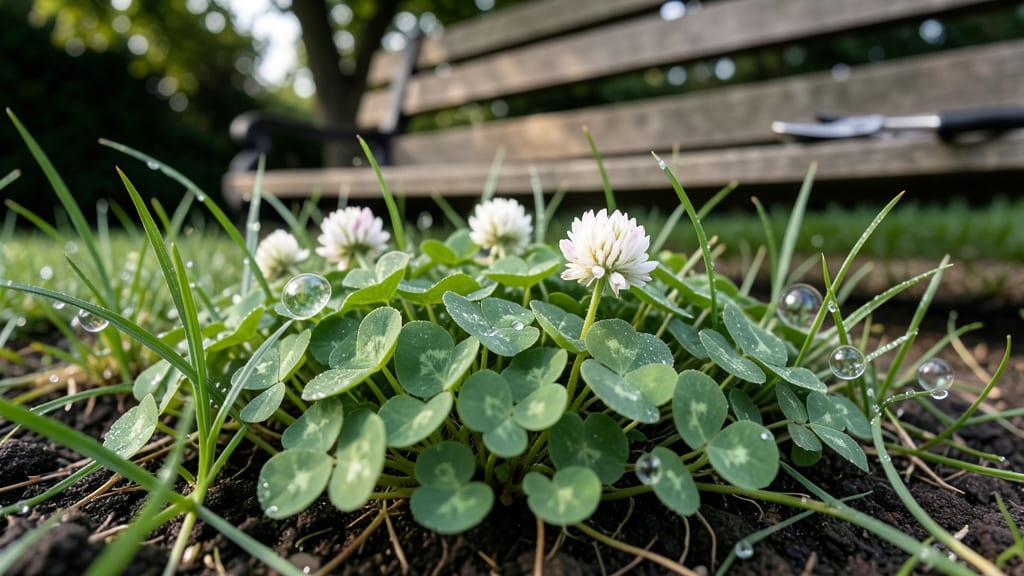
Pet urine bubbles on grass aren’t just unsightly—they’re a fast-acting problem that can turn your lawn into a patchwork of dead spots. 🌱 I’ve battled these stubborn white marks for years, and the secret to removing them fast lies in understanding what causes them and how to neutralize them before they set in.
The bubbles form when pet urine concentrates in the grass blades, creating a chemical burn that dries out the roots. Unlike fungal spots or dew residue, these marks disappear within minutes if you act quickly—no harsh chemicals needed.
A simple mix of water, baking soda, and dish soap works miracles, but timing is everything.
You’ll see the bubbles lift and fade almost instantly when you spray the solution, leaving behind a soft, green lawn that looks like it never had a problem. The key is to treat it within 30 minutes of noticing the spots, before the urine dries completely.
Works for both dog and cat urine, and it’s safe to use around kids and pets once fully rinsed. Here’s how to make it and when to apply it for the best results.
The Hidden Causes Behind Grass Bubbles
If you’ve ever spotted mysterious white bubbles on your lawn, you’re not alone—this puzzling phenomenon has a few surprising culprits. While it might look like magic, science explains why these bubbles form. Let’s break down the most common causes, so you can tackle the issue head-on.
One of the most frequent triggers for white bubbles on grass is pet urine, particularly from dogs. When urine hits the lawn, it doesn’t just disappear—it reacts with bacteria and organic matter in the soil. Here’s how it works:
- Urea Breakdown: Dog urine contains urea, which breaks down into ammonia (NH₃) when exposed to bacteria in the soil. This reaction is what gives urine its strong smell.
- Foam Formation: Ammonia mixes with moisture in the grass, creating a soapy, bubble-like residue. The bubbles are essentially tiny pockets of gas trapped in a thin film of decomposed organic material.
- pH Shift Impact: The alkaline nature of ammonia can also disrupt the soil’s pH balance, further encouraging bubble formation as the grass struggles to absorb nutrients.
💡 Pro Tip: If your lawn is a hotspot for pet accidents, consider training your pet to urinate in a designated area (like a gravel patch) to minimize bubble buildup. Rinse the spot with water immediately after incidents to dilute the ammonia.
Sometimes, those white bubbles aren’t chemical—they’re biological! Certain fungi, algae, or even moss can create bubble-like structures as part of their lifecycle. Here’s why this happens:
- Algae Blooms: In damp, shady, or nutrient-rich conditions, algae can multiply rapidly. Some species produce gas bubbles as a byproduct of photosynthesis, leading to a foamy, white appearance on the grass surface.
- Fungal Spores: Fungi like Pythium or Fusarium can create bubble-like lesions as they decompose organic matter. These often appear in circular patterns and may feel slimy to the touch.
- Moss Growth: Moss thrives in acidic, moist environments and can trap air bubbles between its dense mat and the soil, giving the illusion of white bubbles.
🌡️ Actionable Fix: Improve lawn drainage, reduce shade, and mow regularly to discourage fungal and algal growth. If moss is the issue, overseed with a grass blend that thrives in your climate.
Believe it or not, even water itself can create white bubbles on grass—especially if your lawn has certain soil conditions. Here’s the science:
- Capillary Action: In clay-heavy or compacted soils, water can rise to the surface and create air pockets as it evaporates. This leaves behind a frothy, bubble-like residue, particularly after heavy rain or irrigation.
- Detergent Residue: If you’ve used soaps, fertilizers, or even rainwater runoff from nearby driveways (which may contain road salts or cleaning agents), these chemicals can lower water’s surface tension, causing bubbles to form.
- Decomposition Bubbles: Organic debris (like fallen leaves or grass clippings) can decompose anaerobically, releasing methane or carbon dioxide gas. These bubbles may appear white and foamy when they burst.
✨ Quick Solution: Aerate compacted soil to improve drainage, and avoid overwatering. If detergent is the culprit, rinse the area with clean water to break down the residue.
Less commonly, certain insects or pests can leave behind bubble-like markings on grass. For example:
- Sap-Sucking Insects: Bugs like aphids or spider mites can excrete a sticky substance called honeydew, which attracts sooty mold. When this mold grows, it can create a white, frothy appearance.
- Termite Mounds: While termites themselves don’t create bubbles, their mounds can disrupt soil and water flow, indirectly leading to bubble formation in nearby areas.
🎯 Prevention Tip: Monitor your lawn for pest activity and treat infestations early with organic or chemical insecticides, depending on severity.
Quick fixes for mysterious grass bubbles
If you’ve spotted those puzzling white bubbles on grass—whether they’re tiny, foamy patches or larger, soap-like residue—don’t panic! The good news is that most causes have straightforward fixes, and many can be resolved in under 10 minutes with the right approach.
Below, we’ve mapped solutions directly to the most common culprits, along with prevention tips to keep your lawn looking lush and bubble-free.
If your grass looks like it’s been sprayed with dish soap or detergent, the fix is simple but requires quick action.
🧼 Step-by-Step Cleanup
- Dilute the Area
- Mix 1 gallon of warm water with 1 tablespoon of mild dish soap (like Dawn) in a spray bottle or bucket.
- Gently spray the affected grass until it’s fully saturated—this helps break down the residue.
- Rinse Thoroughly
- Use a hose with a gentle spray nozzle to rinse the area for at least 2–3 minutes, ensuring no soap remains.
- Pro Tip: 💡 If the bubbles are stubborn, add 1 cup of white vinegar to the rinse water to neutralize any lingering chemicals.
- Avoid Overwatering Afterward
- Let the grass dry naturally for a few hours before watering again to prevent re-deposition of soap.
🌱 Prevention Tips
- Spot-test new products (fertilizers, weed killers, or pet urine treatments) on a small patch of grass first.
- Use pet-safe cleaners if your dog frequently urinates in the same spot.
- Rinse lawn equipment after use to avoid chemical buildup from sprays.
Dog urine leaves behind white, frothy residue that can dry into a crusty film. The fix involves neutralizing the ammonia and restoring grass health.
🐶 How to Remove Urine Bubbles
- Blot Up Excess Urine
- Use a clean towel or paper towels to soak up fresh urine immediately—this reduces bubble formation.
- Neutralize with Baking Soda or Vinegar
- Option 1: Sprinkle baking soda over the area, let it sit for 10 minutes, then rinse.
- Option 2: Mix 1 part white vinegar with 2 parts water, spray, and rinse after 5 minutes.
- Warning: ⚠️ Avoid vinegar on newly seeded lawns—it can be too acidic.
- Revive the Grass
- Apply a light layer of compost or topsoil to help the grass recover faster.
- Water deeply but infrequently to encourage deep root growth.
🐕 Prevention Tips
- Train your dog to urinate in a designated gravel or mulch area (away from grass).
- Dilute urine spots by spraying the area with water right after your dog goes.
- Use enzyme cleaners (like Nature’s Miracle) to break down ammonia before it damages grass.
If the white bubbles look more like fluffy, cottony patches, it could be powdery mildew—a fungal issue triggered by humidity or poor drainage.
🍄 How to Treat Fungal Bubbles
- Improve Airflow
- Trim back overgrown grass or nearby plants to allow sunlight and air circulation.
- Pro Tip: ✨ Mow high (3–4 inches) to strengthen grass and reduce fungal stress.
- Apply Fungicide (If Needed)
- For severe cases, use a store-bought fungicide (like Bayer Advanced Fungus Control) or a homemade spray:
- Mix 1 quart of water + 1 tbsp baking soda + 1 tsp horticultural oil.
- Spray in the early morning and avoid watering for 24 hours.
- For severe cases, use a store-bought fungicide (like Bayer Advanced Fungus Control) or a homemade spray:
- Adjust Watering Habits
- Water deeply 2–3 times per week (early morning) instead of daily light sprinkles.
- Ensure your lawn has proper drainage—fix low spots or compacted soil.
🌿 Prevention Tips
- Aerate your lawn once a year to improve soil health and reduce moisture buildup.
- Remove thatch (the layer of dead grass) with a rake if it’s over ½ inch thick.
- Choose resistant grass types like tall fescue or Kentucky bluegrass if fungus is recurrent.
If you’ve recently applied weed killer or fertilizer and noticed white residue, it’s likely chemical overlap or burn damage.
🧪 How to Fix Chemical Burns
- Stop Further Applications
- Avoid reapplying any products for at least 2 weeks to let the grass recover.
- Overseed Damaged Areas
- Rake the dead patches gently, then sprinkle new grass seed and cover with straw or peat moss.
- Keep the area moist (not soggy) until new grass sprouts (usually 10–14 days).
- Use a Lawn Repair Mix
- Spread a slow-release nitrogen fertilizer (like Milorganite) to help revive weakened grass.
🌱 Prevention Tips
- Follow product instructions exactly—never mix herbicides and fertilizers.
- Test soil pH before fertilizing (ideal range: 6.0–7.0 for most grasses).
- Water before applying chemicals to reduce burn risk.
If the white bubbles persist after treatment, spread rapidly, or are accompanied by:
- Yellowing grass (beyond just the bubble area)
- Black or slimy patches (sign of rot or severe fungus)
- Chemical burns that don’t heal in 3–4 weeks
…it’s time to consult a local lawn care specialist for a deeper diagnosis.
Final Thought: Most white grass bubbles are quick fixes—whether it’s a soap splash, pet pee, or fungus. The key is acting fast and preventing recurrence with smart lawn care habits. 🌿✨
Frequently asked questions
Are white bubbles on grass always a sign of pet urine?
No, they can come from several sources! While pet urine is a common cause, white bubbles often appear from fungal growth (like powdery mildew), detergent residue, or even algae blooms in damp areas. Always check for other signs like slimy textures or yellowing grass to narrow down the cause.
How quickly should I treat white bubbles before they damage my lawn?
Act within 30 minutes for pet urine or detergent bubbles to prevent permanent damage. For fungal issues, treat as soon as you notice the bubbles to stop them from spreading. The sooner you address the problem, the easier it is to restore your lawn’s health.
Can I use vinegar to treat all types of white bubbles on grass?
Vinegar works well for pet urine bubbles and some fungal issues, but avoid using it on newly seeded lawns or if you suspect chemical burns—it can be too acidic. Always spot-test a small area first. For severe cases, opt for specialized fungicides or enzyme cleaners.
Why do white bubbles keep coming back after treatment?
Recurring bubbles often signal an underlying issue like poor drainage, compacted soil, or persistent fungal growth. Improve airflow, aerate your lawn, and address the root cause (like training pets or adjusting watering habits) to prevent future outbreaks.
Is it safe to walk on grass with white bubbles?
Yes, but avoid walking on treated areas until they’re fully dry (usually 1-2 hours). Wet or chemical-treated grass can stain shoes or spread residue. If the bubbles are from fungus, wait until the area is completely dry before walking.