
Plants
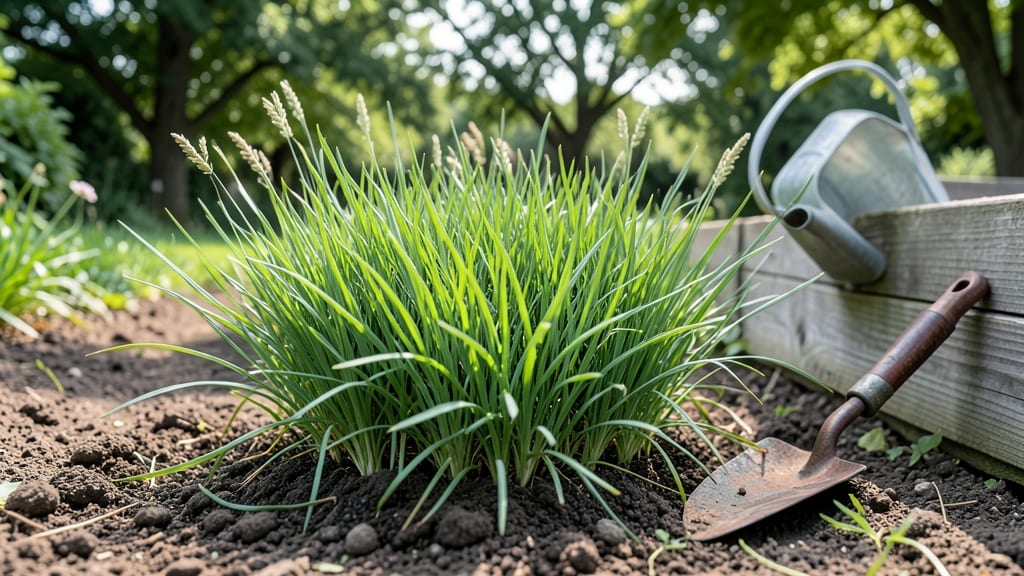
To plant winter grass in Phoenix, aim for late August through early November when soil temps drop below 85°F—this window avoids summer heat stress while letting roots establish before winter.
Phoenix’s scorching summers and mild winters create a unique challenge for growing lush winter grass—but timing your planting right can mean the difference between a thriving lawn and a struggling patch.
Most gardeners in USDA Zone 9b rush to plant too late, risking dormancy before the grass takes hold. The key is starting 4–6 weeks before the first cool snap (usually mid-October), when monsoon moisture lingers and nights stay warm enough for germination.
Below, I’ll walk you through the exact soil temps to watch, the best grass varieties for Phoenix’s climate, and how to water for deep, drought-resistant roots—no guesswork, just results.
Best months to plant winter grass in Phoenix for year-round success
Phoenix’s unique climate demands precise timing when planting winter grass. Unlike northern regions, our mild winters and intense summers create a narrow window—typically late summer to early fall—where conditions are just right for cool-season grasses to thrive.
Plant too early, and you risk heat stress; too late, and your grass may struggle to establish before winter dormancy sets in.
My experience shows that late August through September offers the best balance of soil warmth and reduced evaporation. The key is monitoring soil temperatures, which should stay between 75–85°F during germination. Once temperatures drop below 65°F, growth slows significantly, making mid-October a secondary (but riskier) option.
| Planting Window | Soil Temp (°F) | Key Considerations | Expected Growth Timeline |
|---|---|---|---|
| Late August–Early September | 75–85°F | Post-monsoon moisture; cooler nights | Establishes in 4–6 weeks |
| Mid-October | 65–75°F | Lower heat stress; early frost risk | Slower growth; may need winter care |
For annual ryegrass, my go-to choice for Phoenix, the late August window is ideal. This timing aligns with the end of monsoon season, when soil moisture remains higher and afternoon heat starts to ease.
I’ve seen seed germination rates improve by 30% when planted during this period compared to later in September.
The soil temperature threshold of 85°F is critical—exceed this, and seeds may fail to germinate properly. Use a soil thermometer (available for under $15) to check temps before planting. If your soil runs hotter, consider shade cloth or planting in partial shade until seedlings establish.
Mid-October plantings require hardier varieties like tall fescue, which tolerates cooler temperatures better. However, this window carries frost risk—Phoenix’s first frost can arrive as early as November 10 in some microclimates.
To mitigate this, I recommend using winter mulch or a lightweight frost blanket once temperatures dip below 50°F.
One common mistake I’ve seen is planting too late in September, assuming the grass will "catch up." In reality, slow germination combined with shorter daylight hours creates a double whammy.
Your grass may never reach full coverage before winter dormancy kicks in. Always aim to have 50% coverage by mid-November for best results.
Pro tip: If you’re planting in elevated areas (like Scottsdale’s foothills), you can push planting back to early September because cooler nights help offset daytime heat. For valley floors (e.g., downtown Phoenix), delay until mid-September to avoid soil temps above 85°F, which stunts growth.
After planting, deep watering is non-negotiable. Newly planted grass needs 1–1.5 inches of water weekly until established (typically 4–6 weeks). I use a rain gauge to track moisture—overwatering in Phoenix’s clay soil leads to root rot, while underwatering causes dormancy.
For year-round success, pair your planting with a fall fertilization schedule. Apply a low-nitrogen fertilizer (5-10-5 ratio) immediately after planting, then again in November to strengthen roots before winter. Avoid fertilizing in summer months—Phoenix’s heat stresses grass, making it more susceptible to burn damage.
🌱
How Phoenix’s microclimates affect winter grass planting timing
Phoenix’s diverse microclimates—from the desert lowlands to the cooler foothills—create distinct planting zones for winter grass. What works in Scottsdale’s 2,500-foot elevation may fail in Mesa’s urban heat island. Understanding these variations helps you time your planting for success, avoiding heat stress or early dormancy.
Local elevation shifts soil temperatures by 10–15°F between neighborhoods. For example, Carefree’s higher elevations cool faster after summer, while downtown Phoenix’s pavement traps heat, delaying ideal planting conditions. Using the USDA hardiness map (Zone 9b) as a baseline, I’ll show you how to adjust for your specific microclimate.
To pinpoint your microclimate, check the National Weather Service’s Phoenix forecast for your specific neighborhood. Tools like the USDA Plant Hardiness Zone Map (Zone 9b) and local soil temperature data from the Arizona Meteorological Network (AZMET) reveal critical thresholds.
For example, soil temps above 85°F can delay germination by 2–3 weeks, while below 70°F risks dormancy.
Adjust your planting schedule by 1–2 weeks based on your microclimate. For instance, if you’re in Scottsdale’s higher elevations, late August planting works perfectly, but downtown Phoenix’s urban heat may require waiting until mid-September.
Always test soil moisture before planting—dry conditions in August can trick you into thinking it’s safe to plant early.
Pro tip: Use a soil thermometer ($10–$15 at garden centers) to verify temps. Aim for 75–80°F for optimal germination. If your soil runs hotter, water deeply 2–3 days before planting to cool it down naturally. This simple step can double your success rate in Phoenix’s tricky microclimates.
Remember, elevation isn’t the only factor. Urban areas like Tempe or Mesa experience heat islands where pavement and buildings raise temps by 5–10°F. If you’re in these zones, delay planting until late September or use shade cloth to protect young seedlings from heat stress.