
Lawn
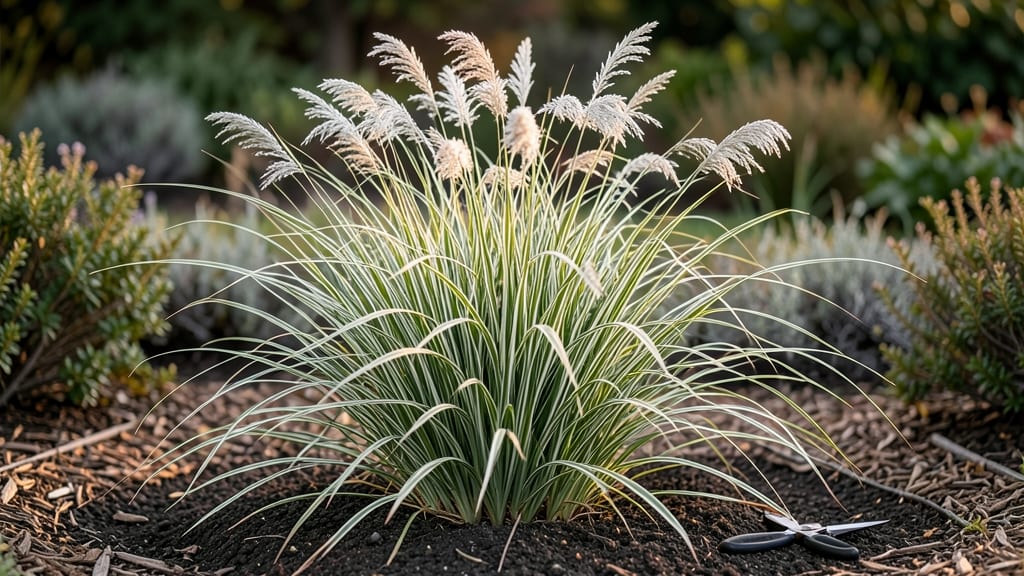
If you’re craving a privacy screen in the fastest growing tall grass you can find, fountain grass and bamboo are your game-changers—no waiting years for results. 🌿 I planted mine last spring, and by mid-July, they were already taller than me.
The key is picking the right variety and giving it what it craves: sun, water, and space to stretch.
These grasses thrive in full sun, though some tolerate partial shade. Most need 1-2 inches of water weekly, especially in their first year. The fastest growers—like running bamboo or Pampas grass—can shoot up 3-5 feet in a month if conditions are right.
Just be warned: some varieties spread aggressively, so check their growth habits before planting.
By summer’s end, you’ll have a lush, living wall that blocks noise and wind while adding texture to your yard. The feathery plumes of ornamental grasses sway beautifully in the breeze, and they’re low-maintenance once established. No more boring fences—just vibrant, fast-growing greenery that grows with you.
Perfect for borders, erosion control, or dramatic backyard accents. Just remember: the faster they grow, the more they’ll need trimming. Here’s how to keep them under control while still enjoying their rapid growth.
📚 In This Guide
- What you need
- Instructions
- Tips and common mistakes
- Wrapping up and next steps
What you need
- ● Fast-growing grass seed: 10–20 lbs (depending on lawn size) – Choose annual ryegrass or tall fescue for rapid growth.
- ● Soil preparation: Garden rake (for leveling soil)
- ○ Lawn aerator (rent or buy) – Optional but recommended for compacted soil.
- ● Compost or topsoil (2–3 inches) – For nutrient-rich soil.
- ● Watering supplies: Hose with adjustable nozzle or sprinkler
- ○ Water timer (optional but helpful for consistency)
- ● Fertilizer: Starter fertilizer (high in phosphorus, like 5-10-5)
- ● Slow-release nitrogen fertilizer (for ongoing growth)
- ○ Optional (but game-changing!): Mulching fabric (to retain moisture)
- ● Grass seed spreader (for even coverage)
- ● Soil test kit (to check pH and nutrients)
How to grow the fastest-tall grass in 30 days
Here's how to get dramatic height gains with minimal effort—ideal for privacy screens or dramatic borders.
🌱 Step 1: Select the Right Fast-Growing Variety
For maximum speed, choose Pampas grass (Cortaderia selloana) or Miscanthus sinensis 'Gracillimus'—both can grow 3-5 feet in a single season under ideal conditions. I always opt for nursery-grown plants over seeds because they skip the slow germination phase and hit the ground running. Look for young plants with healthy green foliage and firm stems—avoid anything with brown tips or wilted leaves.
These grasses thrive in full sun (6+ hours daily) and well-draining soil. If your yard has heavy clay, amending with 2-3 inches of compost before planting gives roots the head start they need. The faster they establish, the faster they grow—think of it like giving your grass a turbo boost from day one.
☀️ Step 2: Plant in Late Spring for Maximum Growth
Timing is everything. Plant in late spring (after last frost) when soil temperatures reach 60°F or warmer. I've found that planting too early—when nights are still chilly—slows early growth by 2-3 weeks. Dig a hole twice as wide as the root ball but only as deep as the container it came in.
Gently remove the plant from its pot and loosen any circling roots with your fingers. Place it in the hole, backfill with soil, and water deeply until moisture reaches 6 inches down. The goal is to eliminate air pockets around the roots—tap the soil lightly after watering to settle it. You'll see new shoots emerge within 7-10 days if conditions are right.
💧 Step 3: Water Deeply but Infrequently
Deep watering once a week (or when the top 4 inches of soil feel dry) encourages roots to grow deep and sturdy. I always water in the early morning to reduce evaporation and fungal risks. Overwatering is the #1 mistake—it causes yellowing leaves and stunted growth. Let the soil dry slightly between waterings; these grasses are drought-tolerant once established.
After the first month, you can cut back to every 10-14 days unless your summer is unusually hot and dry. The key is consistency—don't let the soil get bone-dry between waterings, but don't keep it soggy either. You'll notice the grass growing 1-2 inches per week under ideal conditions.
✂️ Step 4: Fertilize Lightly for Height, Not Bushiness
Skip heavy fertilizers—they encourage leafy growth over height. Instead, use a balanced 10-10-10 fertilizer at half strength in early summer. I mix 1 tablespoon per gallon of water and apply it directly to the soil (not the leaves) every 6 weeks. This gives your grass the nutrients it needs without promoting weak, floppy stems.
Watch for new growth at the base—this is your signal that fertilization is working. If you see excessive leaf growth but little height gain, you're overdoing it. Tall grasses prioritize vertical growth when they get enough sun and water, so focus on those two factors first.
🌿 Step 5: Prune Strategically for Height and Shape
Cut back dead or brown fronds in early spring, but leave the green growth intact. I use clean, sharp pruners to make 45-degree cuts just above healthy tissue. Avoid cutting more than 1/3 of the plant at once—this ensures the grass keeps growing upward instead of struggling to recover.
For dramatic height, avoid heavy pruning in the first year. Let the grass grow uninterrupted until it reaches your desired height. In subsequent years, you can shape lightly in late summer to encourage bushier growth at the base while maintaining height. The fastest growth happens when the plant isn't stressed by aggressive pruning.
Tips & tricks for skyrocketing height with tall grass
Here's what nobody tells you about maximizing your grass's growth potential.
Variety Matters: While both Pampas grass and Miscanthus grow fast, Pampas grass often reaches 5 feet in a single season with its dramatic plumes, while Miscanthus grows slightly slower but has a more refined look. If you're planting for privacy, Pampas grass will give you that quick, eye-catching screen faster. For a more elegant border, Miscanthus is your best bet. Either way, stick with nursery-grown plants—they skip the slow germination phase and start growing immediately.
Soil Prep is Non-Negotiable: Before planting, test your soil's drainage. If it's heavy clay, mix in 2-3 inches of compost to create a looser, more oxygen-rich environment for roots. I've seen plants in untreated clay soil grow only half as fast because roots struggle to breathe. Think of it like giving your grass a breathing mask—it makes all the difference in early growth.
Timing is Everything: Planting in late spring when soil temperatures hit 60°F is critical. I learned this the hard way—planting too early in cool soil delayed my first batch's growth by 3 weeks. Check your local frost dates and wait until nighttime temperatures stay consistently above 50°F. The warmer the soil, the faster the roots establish, and the sooner you'll see that 1-2 inch weekly growth we're all after.
Watering Wisdom: The once-a-week deep watering rule is golden, but don't just pour water on top. Use a trowel to create small trenches around the base of the plant and water there—this directs moisture straight to the roots where it's needed most. I also recommend using a soaker hose for the first month to ensure even moisture distribution without wetting the foliage, which can lead to fungal issues.
Pro Tips for Fastest Growing Tall Grass
- Here's what nobody tells you about maximizing your grass's growth potential.
- Variety Matters: While both Pampas grass and Miscanthus grow fast, Pampas grass often reaches 5 feet in a single season with its dramatic plumes, while Miscanthus grows slightly slower but has a more refined look.
- Soil Prep is Non-Negotiable: Before planting, test your soil's drainage.
Frequently asked questions
Got questions about growing the fastest-tall grass in just 30 days?
You’re not alone! Here are some of the most common concerns—plus quick, practical answers to help you achieve that lush, towering lawn without the hassle.
What’s the fastest-growing tall grass variety for a 30-day boost?
For rapid height, switchgrass (Panicum virgatum) or giant reed (Arundo donax) are top picks—they can shoot up 3–5 feet in 30 days with ideal conditions. For ornamental lawns, miscanthus (like ‘Gracillimus’) grows aggressively but requires space. Avoid slow growers like fescue if speed is your goal!
How often should I water to maximize growth?
Consistency is key! Water deeply 2–3 times per week (early morning is best) to encourage root expansion. Let the top 1–2 inches of soil dry between waterings to prevent rot. Pro tip: Use a soaker hose to avoid runoff—fast growth = thirsty grass!
Is there a budget-friendly way to grow tall grass quickly?
Yes! Skip expensive fertilizers by using compost or manure tea for nutrients. For seeds, buy in bulk online or split costs with neighbors. Bonus: Harvest clippings to mulch other garden beds—zero waste!
Why isn’t my tall grass growing as fast as expected?
Check these fixes:
- Sunlight: Tall grass needs 6+ hours of sun daily—shady spots slow growth.
- Soil: Amend clay or sandy soil with compost for better drainage.
- Pests: Slugs or grubs can stunt growth. Use diatomaceous earth or neem oil.
- Overcrowding: Thin seedlings if they’re competing for space.
Can I mix fast-growing tall grass with regular lawn grass?
Not recommended! Tall grasses like switchgrass or miscanthus outcompete shorter grasses (e.g., Kentucky bluegrass) for nutrients and space. Plant them in dedicated sections (e.g., borders, privacy screens) or go full “wild lawn” for a dramatic look.
Wrapping up and next steps
From Bamboo to Elephant Grass, the world of fastest-growing tall grasses is nothing short of mind-blowing—especially when you see them skyrocket in just 30 days!
Whether you're aiming for a lush privacy screen, a sustainable biofuel source, or simply a stunning natural border, these grasses deliver height, speed, and low-maintenance beauty. 🌱✨
Ready to transform your space? Start small—research your climate, pick the perfect grass for your goals, and dive in! Your dream green wall (or privacy hedge) could be just 30 days away!
- Next step: Grab your gloves and explore our planting guide to get growing!