
Plants
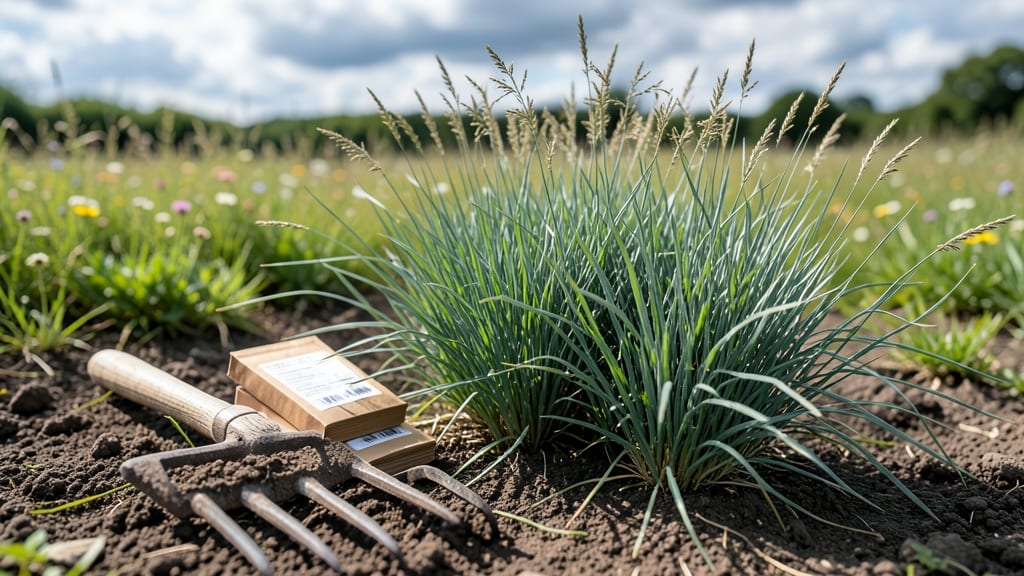
The best time to plant grass seed in Minnesota is early fall or late spring, when soil temperatures and moisture align for strong root growth 🌱—skipping these windows can leave your lawn thin and patchy.
Minnesota’s unpredictable climate can turn your grass-seeding dreams into a gamble—but timing it right ensures thick, lush lawns year after year. Skip the guesswork with this science-backed guide to planting grass seed at the perfect moment for Minnesota’s soil and weather patterns.
Whether you’re in the 3b-5b zones or dealing with clay-heavy soil, the key is planting when soil temps stay between 40°F and 65°F. Too early, and frost will stall growth; too late, and summer heat dries out new seedlings.
Inside, you’ll find the exact planting windows for your region, soil prep steps to avoid common MN pitfalls, and the best grass varieties for your climate—plus how to keep your lawn thriving once it’s in the ground.
Minnesota’s ideal grass-seeding windows: soil temperature & weather rules
Timing your grass seed planting in Minnesota isn’t just about the calendar—it’s about soil temperature, rainfall patterns, and regional microclimates. The perfect window occurs when soil temps sit between 40°F and 65°F, creating ideal conditions for seed germination and root establishment.
Skip planting when temps dip below 40°F or climb above 75°F, as these extremes stress young grass.
Minnesota’s climate divides cleanly into two optimal planting seasons: early fall (late August to September) and late spring (mid-April to May). These windows align with cooler temps, consistent moisture, and fewer weeds.
Northern MN’s shorter growing season demands earlier fall planting (early September) compared to southern MN’s more forgiving late September to October window.
Here’s the science behind the timing: Grass seed needs consistent moisture to germinate, and fall’s cooler temps reduce water evaporation while minimizing weed competition. Spring planting works too, but you’ll need to water more frequently as summer heat arrives.
Always check soil temperature with a probe—it’s the most reliable indicator of readiness.
🌱
Northern Minnesota’s shorter growing season means you’ll need to act faster—seed in early September to avoid frost before roots establish. Southern MN gardeners have more flexibility, with late September to early October still viable if temps stay mild.
Always monitor weekly rainfall: aim for 1–1.5 inches per week during germination, and avoid planting if drought is forecasted.
Weather watchers know that humidity matters too. High humidity in summer can smother seeds, while fall’s moderate humidity (40–60%) creates the perfect balance. Use a soil thermometer to confirm readiness—don’t guess! If temps fluctuate daily, wait for a stable 3-day stretch within your target range before planting.
Pro tip: Overseeding in fall is a game-changer for thin lawns. Spread seed when daytime temps drop to 65°F or below, and nighttime temps stay above 50°F.
This gives grass 6–8 weeks to establish before winter sets in. In spring, time planting for 4–6 weeks before the last frost (typically mid-May in most of MN).
🌿
Regional variations extend beyond just months. Northern MN’s clay-heavy soils cool faster, so plant 1–2 weeks earlier than southern areas. Southern MN’s warmer microclimates near lakes or cities may allow late-spring planting into early June, but only if you’re prepared for daily watering during summer’s heat.
Always check your local USDA Zone (3b–5b) for precise adjustments.
Don’t let Minnesota’s unpredictable weather derail your lawn dreams. By following these soil temp rules and weather windows, you’ll give your grass seed the best shot at thriving. Next up: soil prep—because even perfect timing won’t save poorly prepared ground!
☀️
How to prepare Minnesota soil for grass seed: a step-by-step checklist
Minnesota’s clay-heavy soil and unpredictable weather demand extra prep before seeding. Without proper prep, your grass seed can struggle to germinate or establish roots. The key? Loosening compacted soil, balancing pH levels, and ensuring consistent moisture—all while avoiding common MN pitfalls like drought or waterlogging.
Start by testing your soil pH—Minnesota’s native soil often sits at 6.0–7.0, but grass thrives in this neutral range. If your soil is too acidic (below 6.0), add lime; if it’s alkaline (above 7.0), incorporate sulfur or peat moss.
This step alone can double your seed’s success rate.
- Use a soil test kit (available at garden centers) to check pH levels.
- For acidic soil (pH < 6.0), apply pelletized lime (10 lbs per 1,000 sq ft).
- For alkaline soil (pH > 7.0), mix in sulfur or peat moss.
- Wait 4–6 weeks after amending before planting.
- Rent a rototiller or use a broadfork to break up clay layers 4–6 inches deep.
- Avoid over-tilling—3–4 passes is enough to aerate without destroying soil structure.
- For small patches, use a manual aerator or garden fork.
Next, enrich your soil with organic matter. Minnesota’s clay soil benefits from compost, well-rotted manure, or peat moss to improve drainage and nutrient retention. Spread a 1-inch layer over the tilled area and lightly rake it in.
This step ensures your grass seed has the nutrients it needs to germinate quickly and establish roots.
Before seeding, water the soil deeply to a depth of 6 inches. Minnesota’s dry spells can dry out the topsoil, leaving seeds high and dry. Use a moisture meter or dig a small hole—if the soil feels damp 2–3 inches down, it’s ready.
Keep the soil consistently moist (not soggy) for the first 2–3 weeks after planting to encourage germination.
Finally, level the soil with a rake to create a smooth surface for seeding. Fill in any low spots with a mix of topsoil and compost, and remove rocks or debris that could hinder seed-to-soil contact.
A fine-tooth rake works best for this final touch, ensuring an even bed for your grass seed to sprout uniformly.