
Lawn
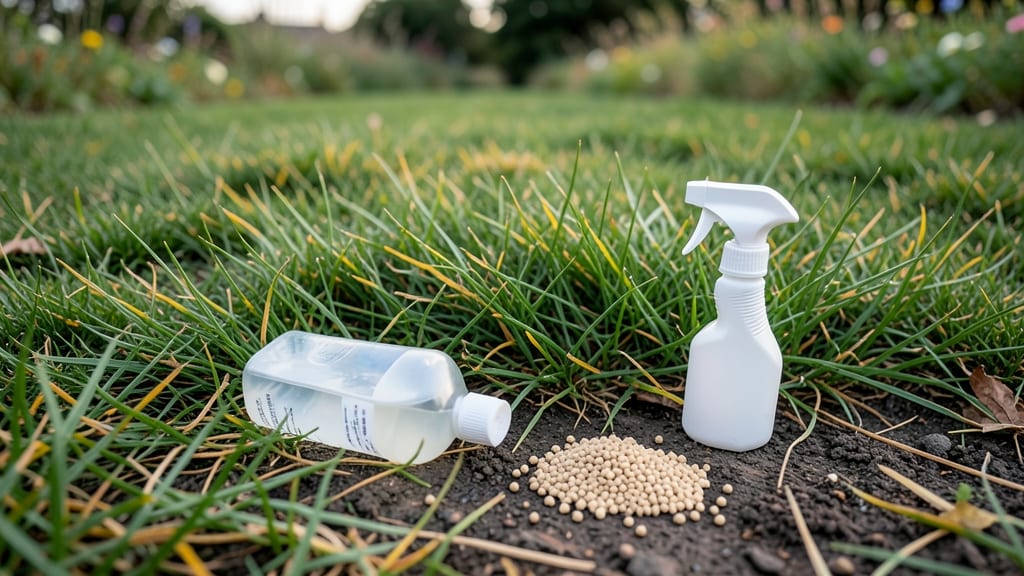
Learn how to prevent dog urine stains on grass before they leave permanent brown patches—diluting and neutralizing the damage is easier than you think. 🌱 The key is acting fast before the nitrogen burns your lawn, and I’ve tested the most effective methods. over years of keeping my yard green despite my two energetic golden retrievers.
Most pet owners make one critical mistake: letting the urine sit. Within minutes, the ammonia concentration spikes, scorching the grass blades.
Instead, dilute the spot immediately with water—a gallon per pee—then follow up with a vinegar or baking soda rinse to neutralize the pH. This combo works faster than commercial products and costs pennies.
By mid-summer, your lawn will look uniformly green even in high-traffic areas, with no more patchy dead spots. The secret is consistency: train your dog to pee in one designated spot, and amend the soil with compost or grass seed to help recovery.
For stubborn stains, overseed the area in fall—my lawn now handles pups and playtime better than ever. Here’s the step-by-step breakdown to make it happen.
📚 In This Guide
- What you need
- Instructions
- Tips and common mistakes
- Wrapping up and next steps
What you need
- ● White vinegar – 1 gallon (or 3.8 liters) per treatment area
- ● Water – 1 gallon (or 3.8 liters) for dilution
- ● Baking soda – 1 cup (for spot treatment)
- ● Garden hose with a spray nozzle (or a watering can)
- ○ Gloves (optional but recommended for handling vinegar)
- ● Garden rake or stiff brush (for scrubbing stubborn stains)
- ● Enzyme-based pet urine cleaner (for tough or recurring stains)
- ● Lime or sulfur granules (to neutralize soil pH after treatment)
- ● Lawn fertilizer (to restore grass health post-treatment)
- ● Spray bottle (for targeted baking soda application)
Step-by-step guide to protecting your lawn from dog urine damage
Here’s how to keep your grass green and healthy after every potty break—no more brown patches or stubborn stains.
💧 Step 1: Train Your Dog to Pee in the Right Spots
First, identify the worst offenders—those spots where your dog consistently urinates. I like to mark these areas with small flags or chalk so I can monitor progress. Dogs learn best with repetition, so take them to the same spot every time. The more consistent you are, the faster they’ll adapt. This isn’t just about stains—it’s about protecting your lawn’s health long-term.
If your dog is still learning, use a cue word like “go potty” to associate the action with the designated area. Reward them with praise or a treat afterward. Over time, they’ll start holding it longer between trips to the yard. Real talk: This takes patience, but it’s the only way to break the cycle of constant damage.
✂️ Step 2: Dilute Urine Immediately After Accidents
The second your dog finishes, head outside with a hose and give the area a gentle rinse for 10-15 seconds. This dilutes the urine before it soaks into the soil, reducing the risk of burns. I use a low-pressure setting—blasting too hard can damage grass blades. Focus on the spot where your dog stood, not just where the urine landed.
If you’re out and can’t hose it down right away, carry a small spray bottle with water in your pocket. Even a quick mist helps dilute the concentration. The goal is to weaken the ammonia levels before they seep into the roots. Don’t skip this—it’s the first line of defense against stains.
☀️ Step 3: Apply a Vinegar or Baking Soda Solution to Neutralize
Mix 1 part white vinegar to 3 parts water in a spray bottle. After rinsing, spray the affected area until the soil looks damp but not soggy. Vinegar’s acidity helps neutralize the alkaline properties of urine, which is what causes grass to yellow and die. Let it sit for 5-10 minutes, then rinse again with clean water to avoid over-acidifying the soil.
For tougher stains, sprinkle baking soda directly on the spot after rinsing. The sodium bicarbonate helps break down ammonia and restore the soil’s pH balance. Lightly water the area afterward to help the baking soda absorb. This combo works like a reset button for your lawn.
🌱 Step 4: Overseed and Fertilize Damaged Areas
Once the spot has dried completely, rake the area lightly to loosen the soil. Then, sprinkle new grass seed over the bare patches. Press it gently into the soil with your hand or a small rake. Water the area lightly every other day for 2-3 weeks to encourage germination. Avoid deep watering—you want the soil moist but not waterlogged.
After the new grass reaches 2-3 inches tall, apply a slow-release, nitrogen-rich fertilizer to help it establish strong roots. I use a 10-10-10 formula for general lawn repair. This step is key—it turns a damaged spot into a patch of lush, resilient grass that can handle future accidents better.
🪴 Step 5: Monitor and Adjust Long-Term Care
Keep an eye on the repaired areas for the first month. If you notice yellowing or thinning, it could mean the soil’s pH is still off or the new grass needs more nitrogen. Adjust your watering schedule if the weather turns dry—deep watering once a week is better than daily light sprinkles for root growth.
For high-traffic or problem areas, consider laying down artificial turf or planting clover, which is more urine-resistant than traditional grass. It’s not a permanent fix, but it buys you time while you work on training. The key is consistency—sticking to these steps will keep your lawn looking its best, even with a curious pup.
Tips & tricks for protecting your lawn from dog urine damage
These practical strategies will help you maintain a lush, healthy lawn even with a curious pup.
Training Consistency: Dogs thrive on routine—stick to the same potty spot every time. I’ve found that marking the area with small flags helps reinforce the habit. For dogs still learning, use a cue word like "go potty" paired with treats. The more consistent you are, the faster they’ll adapt, reducing accidents in high-risk zones. This isn’t just about stains; it’s about preserving your lawn’s long-term health by preventing concentrated urine damage.
Timing is Everything: The 10-15 second rinse in Step 2 is critical—don’t rush it! Urine’s ammonia content burns grass when it soaks in, so that quick flush weakens its impact. For outdoor walks, keep a spray bottle in your pocket. Even a 3-second mist helps dilute the concentration before it becomes a problem. I’ve seen stubborn stains disappear completely when caught early this way.
Neutralization Boost: When using vinegar in Step 3, focus on the soil, not just the grass blades. The 5-10 minute wait lets the acid work properly, but don’t overdo it—rinse after to prevent over-acidification. For tough stains, baking soda works best when sprinkled on damp soil after the vinegar treatment. I’ve repaired some of the worst yellow patches using this two-step combo—it’s like giving your lawn a pH reset.
Long-Term Strategy: The 2-3 week watering schedule in Step 4 is non-negotiable for new grass seed. Use a gentle misting can rather than a hose to avoid dislodging seeds. For problem areas, consider planting clover—it’s more urine-resistant than traditional grass and can actually improve soil health over time. Think of it as a strategic upgrade for high-traffic spots.
Pro Tips for Prevent Dog Urine Stains On Grass
- These practical strategies will help you maintain a lush, healthy lawn even with a curious pup.
- Training Consistency: Dogs thrive on routine—stick to the same potty spot every time.
- Timing is Everything: The 10-15 second rinse in Step 2 is critical—don’t rush it!
Frequently asked questions
Got questions about keeping your lawn fresh and stain-free? Here are some common concerns—and quick solutions—to help you tackle dog urine stains like a pro!
How often should I dilute my dog’s urine to prevent stains?
Diluting urine isn’t about frequency—it’s about hydration. Encourage your pup to drink more water (especially after playtime) to naturally dilute their urine. Aim for 1 oz of water per pound of body weight daily, and always provide fresh water. If your dog is healthy, their urine will be lighter and less likely to stain!
How long does it take for dog urine to fade naturally?
If you don’t treat it, dog urine stains can linger for weeks or even months, depending on grass type and soil. The longer it sits, the harder it is to remove. For immediate results, act within 24–48 hours—the sooner you neutralize the ammonia, the better your lawn’s chances of recovery!
What’s the best natural remedy for dog urine stains on grass?
Skip harsh chemicals! Try these DIY fixes:
- Vinegar solution: Mix 1 part white vinegar with 3 parts water, spray directly, and rinse after 10 minutes.
- Baking soda: Sprinkle on the stain, lightly water, and let it absorb (great for small patches).
- Overseeding: After treating, sow grass seed in the bare spots to restore growth.
Why does my dog’s urine still smell after I water the area?
Water alone won’t neutralize ammonia—it just dilutes it temporarily. The smell returns when the water evaporates. To eliminate odors for good, use an enzyme cleaner (like those designed for pet stains) or a vinegar-baking soda combo to break down the urine’s chemical structure.
Will training my dog to pee in one spot stop stains?
Training your dog to use a designated potty area (like a gravel patch or artificial turf) can dramatically reduce stains. Use positive reinforcement (treats, praise) and a cue word like “go potty.” For stubborn pups, leash them during walks to guide them to the right spot. Combine this with regular lawn treatments for the best results!
Wrapping up and next steps
Keeping your lawn fresh and free of dog urine stains is totally doable with the right approach! 🌱 By diluting urine spots immediately, using vinegar or enzymatic cleaners, and maintaining a healthy lawn, you can protect your grass from long-term damage.
Consistency is key—small efforts now save you bigger headaches later.
Ready to take action? Start by stocking up on your supplies (like vinegar, baking soda, or a quality cleaner) and train your pup to pee in designated areas. Your lawn—and your neighbors—will thank you! 🐾