
Plants
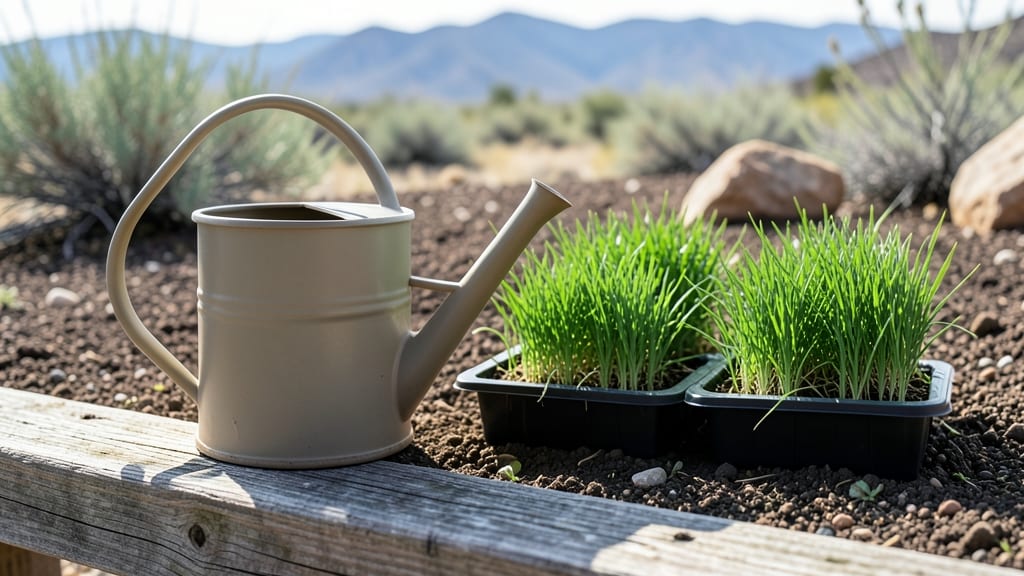
Planting grass seed in Utah depends on soil temperature and rainfall timing—aim for early spring or early fall when conditions are just right for germination.
Utah’s unpredictable climate—from scorching summers to early frosts—can make or break your lawn. Plant grass seed at the wrong time, and you’ll waste money on seeds that fail to germinate. But get the timing right, and you’ll enjoy a lush, resilient lawn year after year.
In Utah’s USDA Zones 5-8, the best window is when soil temps hit 50-65°F—usually March to April for spring planting and September to October for fall. This ensures your 🌱 sprouts get the moisture they need without drying out in summer heat.
Below, I break down the exact calendar for your region, how to check soil temps, and the grass types that thrive in Utah’s microclimates—so you can plant with confidence and skip the guesswork.
Utah grass seed planting calendar: best months by soil temperature & rainfall
Timing is everything when planting grass seed in Utah, where soil temperatures and rainfall patterns vary dramatically across regions. The ideal window for germination is when soil temps hover between 50-70°F—too hot or cold, and your seeds will struggle.
In Utah, this typically means early spring (March-April) or early fall (September-October), but microclimates like St. George’s desert heat or Park City’s high elevation shift these windows significantly.
Cool-season grasses like Kentucky bluegrass and fescue dominate Utah lawns, thriving in spring and fall planting. Warm-season grasses like Bermuda or buffalo grass (better for southern Utah) prefer late spring when soil warms above 65°F.
Without proper timing, you risk seed desiccation in summer heat or dormancy delays from winter frosts.
Here’s how Utah’s three key regions—Wasatch Front (Salt Lake City), Southern Utah (St. George), and High Elevation (Park City)—differ in their optimal planting windows:
In Salt Lake City, aim for March 15–April 15 in spring, when daytime highs reach 60°F but nights stay cool.
Fall planting should wrap up by October 1 to avoid early frosts. St. George’s desert climate demands fall-only planting—August through September—when temps dip below 90°F and monsoon rains provide moisture.
Meanwhile, Park City’s high elevation delays planting until May, with a second chance in August before winter sets in.
Rainfall is critical: Utah averages 10–20 inches annually, but drought conditions can slash this by half. Check 7-day forecasts before planting—seeds need consistent moisture for 2–4 weeks to germinate. In southern Utah, even 0.5 inches of rain can trigger planting, while northern Utah may need 1–1.5 inches weekly.
Use a rain gauge or local National Weather Service alerts to track trends.
Soil temperature is just as critical as rainfall. Use a soil thermometer (inserted 2 inches deep) to confirm 50–70°F ranges. In spring, morning temps often lag behind afternoon highs—plant in the late afternoon for the warmest soil.
In fall, avoid planting when nights drop below 45°F, as seeds may not sprout before dormancy kicks in.
Pro tip: Pre-wet your soil 24 hours before planting to kickstart germination. In dry years, consider irrigation scheduling to supplement natural rainfall. For example, St. George gardeners often rely on drip irrigation to maintain moisture during monsoon gaps.
Meanwhile, Wasatch Front lawns benefit from early morning watering to reduce evaporation in low-humidity conditions.
Timing grass seed correctly in Utah isn’t just about months—it’s about microclimates, soil science, and weather patterns. By aligning your planting with 50–70°F soil and consistent rainfall, you’ll give your lawn the best shot at thriving year-round.
Start with your region’s window, then fine-tune with local forecasts for foolproof results.
🌱
How to check soil temperature & rainfall forecasts before planting in Utah
Before dropping a single seed, checking your soil temperature and rainfall forecasts is non-negotiable in Utah. The Beehive State’s dramatic shifts from freezing nights to 100°F days can turn your lawn dreams into a costly mistake.
I’ve learned the hard way—planting too early in chilly soil or during a drought means wasted seed and frustration. Let’s fix that.
Start with a soil thermometer ($10–$20 at garden centers) to measure 6 inches deep, where roots will grow. For cool-season grasses like Kentucky bluegrass, aim for 50–65°F.
Warm-season grasses like Bermuda need 70–85°F. Utah’s Wasatch Front hits these temps in late April–early May, while St. George’s desert climate may be ready by March.
Next, monitor rainfall forecasts using Utah-specific tools. The National Weather Service’s Salt Lake City station (weather.gov/slc) provides hourly updates, while apps like Weather Underground track weekly precipitation. Aim for 0.5–1 inch of rain in the 2 weeks before planting to keep seeds moist without drowning them.
⚠️ callout warning ⚠️
🚨 Red Flags That Mean WAIT to Plant
- 3+ days above 85°F: Grass seeds bake in heat and fail to germinate.
- Less than 0.5 inches of rain in 2 weeks: Seeds dry out before sprouting.
- Soil temp below 50°F: Cool-season grasses won’t activate until warmer.
- Frost predicted within 7 days: New seedlings won’t survive cold snaps.
Pro Tip: Bookmark NOAA’s Salt Lake City alerts for real-time drought watches.
For real-time data, I rely on the Utah Climate Center’s drought monitor, which maps precipitation deficits by county. If your area shows D1 (moderate drought) or worse, delay planting until conditions improve. Even irrigated lawns need consistent moisture—seeds won’t germinate if the topsoil stays dry.
Don’t forget to check microclimates in Utah. A north-facing slope in Park City stays cooler longer than a south-facing yard in Lehi. Use a shade thermometer to compare temps across your lawn.
If one spot hits 90°F while another stays at 75°F, plant only in the cooler zone until temps equalize.
Finally, set a planting reminder based on your data. For example, if your soil hits 60°F on April 10 and the forecast shows 0.75 inches of rain by April 15, mark your calendar for April 12–14.
This 3-day window gives you flexibility if weather shifts. Patience now = a thick, green lawn in 30 days.
With these tools, you’ll avoid the #1 mistake Utah gardeners make: planting too early or during drought. Your lawn will thank you with faster germination and fewer bare spots—no guesswork required. 🌱