
Plants
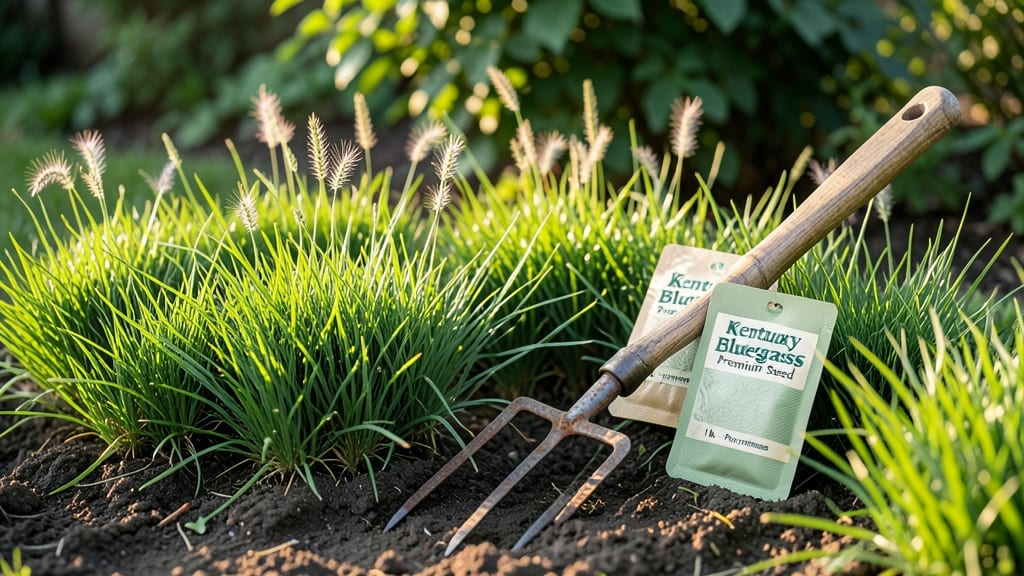
Planting grass seeds in the spring at the right time means the difference between a thick, green lawn and weeks of patchy, struggling growth.
You’ve probably heard that timing matters, but did you know soil temperature and moisture are just as critical? Too early, and frost will kill your seeds before they sprout. Too late, and summer heat can dry them out before they take root.
In USDA Zone 6a, like much of the Midwest and Northeast, aim for planting between mid-April and early May—once the soil warms to 50–65°F and stays consistently moist. This window balances frost risk with ideal germination conditions.
Below, I’ll break down how to check your soil, pick the right seed type for your climate, and keep your new lawn thriving after planting—no guesswork, just results.
Ideal soil temperature and moisture conditions for spring grass seed planting
Spring is the perfect time to plant grass seeds, but getting the timing right depends on two critical factors: soil temperature and moisture levels.
Cool-season grasses like tall fescue and Kentucky bluegrass thrive when soil temps reach 50-65°F, while warm-season varieties such as Bermuda and Zoysia need warmer conditions around 65-75°F. Planting too early or late can lead to poor germination and weak root development.
Before you rush outside with your seed packet, check your soil's readiness. Cold soil slows germination, while overly dry soil can cause seeds to dry out before sprouting. The ideal moisture level is like a well-wrung sponge—damp but not soggy.
You should be able to form a ball with soil that crumbles when squeezed, not sticks together or falls apart completely.
Testing soil temperature is simple: use a soil thermometer (available for under $10) or check the National Weather Service for your region's average soil temps. For most of the U.S., this means waiting until late March to early May for cool-season grasses.
Warm-season grasses should go in after the last frost, typically May to early June, when soil stays consistently warm.
Regional differences matter! In Northern states, aim for planting 4-6 weeks before the last frost date to give seeds time to establish before summer heat. In Southern states, avoid planting during hot, dry spells—wait until late summer or early fall for warm-season grasses.
Even a 5°F difference can mean the difference between success and failure.
Here’s how to test moisture without fancy tools: dig a 2-inch hole in the soil and fill it with water. If it drains within 10 minutes, your soil is ready. If it pools, wait a day or two.
Overwatering is just as harmful as underwatering—it can suffocate seeds and promote fungal growth. Aim for 1 inch of water per week, either from rain or irrigation, to keep seeds consistently moist during germination.
One common mistake? Planting when the forecast calls for rain but the soil is bone-dry. Surface moisture ≠ deep moisture. Always check 2-3 inches below the surface—that’s where seeds need consistent dampness.
If the top layer feels dry but deeper soil is moist, water lightly to avoid disturbing seeds already in the ground.
Cool-season grasses like ryegrass and fescue have the fastest germination—often 7-14 days in ideal conditions. Warm-season grasses like St. Augustine can take 2-4 weeks to sprout. During this time, keep the soil covered with straw mulch (not wood chips) to retain moisture and protect seeds from birds.
A light layer—just ¼ inch thick—makes all the difference.
Pro tip: Use a seed starter fertilizer with a low nitrogen ratio (like 5-10-10) to encourage root growth without burning tender seedlings. Apply it lightly over the soil before seeding, then water again.
This gives your grass a nutrient boost right when it needs it most, without overwhelming the young plants.
If you’re unsure about your local conditions, check your USDA Plant Hardiness Zone and cross-reference it with your average last frost date. For example, Zone 5 gardeners should plant cool-season grass by April 15, while Zone 8 can start as early as February 15.
Warm-season grasses in Zone 7 should wait until after May 1.
Remember: Patience is key. Rushing into planting when soil is too cold or dry is a fast track to disappointment. Take 10 minutes to test your soil’s readiness—your future lawn will thank you.
With the right conditions, you’ll see uniform germination and a thick, healthy lawn within 6-8 weeks.