
Companion Plants
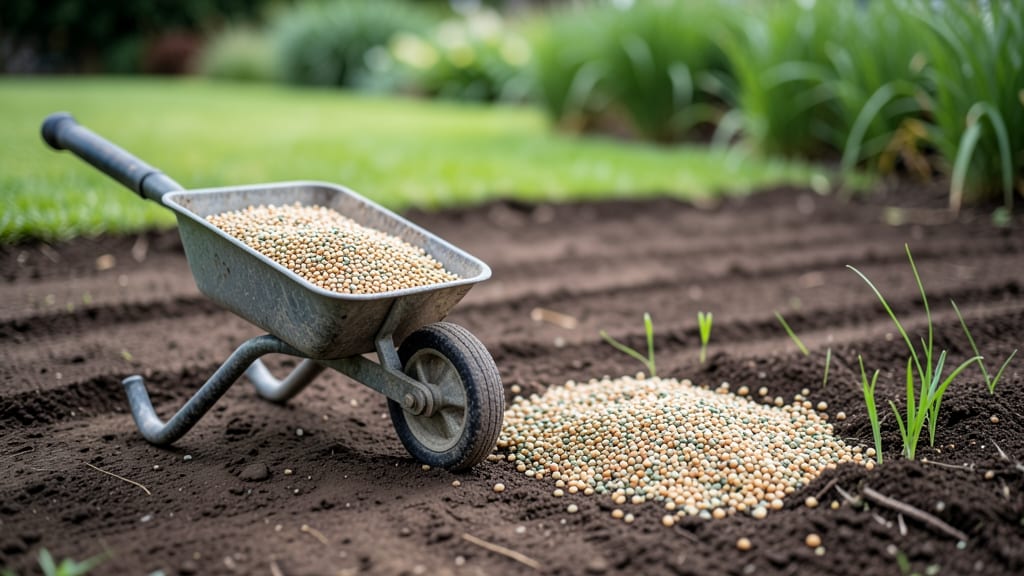
Plant grass seed in the spring when soil temperatures hit 50–65°F and the last frost has passed — timing this right can turn patchy results into a thick, green lawn by summer.
Timing your grass seed planting just right in spring can mean the difference between a lush, green lawn and weeks of patchy disappointment. But with climate zones ranging from freezing northern winters to mild southern springs, figuring out the exact week to plant isn’t always straightforward.
In USDA Zone 6a, like much of the Midwest, that window opens around mid-April—but in warmer zones, you might start as early as February. The key is avoiding cold snaps that can smother young grass and ensuring the soil stays moist enough for germination.
Below, I’ll break down the perfect week-by-week schedule for your zone, plus soil prep tips and warning signs that you’ve planted too early or late. No more guessing—just a lawn that thrives.
Best spring planting weeks for grass seed by USDA climate Zone
Spring is the prime time to plant grass seed, but the exact week depends on your USDA climate zone and whether you're growing cool-season or warm-season grasses. In Zone 3, where winters are harsh, you'll plant earlier than in Zone 10, where mild winters allow later seeding.
The key is balancing soil temperature (ideal: 50-65°F) with frost risk—plant too early and frost will kill seedlings; too late and summer heat stresses them.
Cool-season grasses like Kentucky bluegrass and tall fescue thrive when planted 4-6 weeks before the last frost date, while warm-season grasses like Bermuda and Zoysia wait until after the last frost when soil is warm.
Regional variations matter too: the Pacific Northwest may have cooler springs than the Deep South, delaying planting by weeks.
Below is your zone-by-zone planting schedule, including soil temperature thresholds, frost risk windows, and regional adjustments. Use this as your guide to avoid patchy lawns and maximize germination success.
For Zone 3-4, where winters are brutal, I recommend planting cool-season grasses in late April to early May when soil warms to 50-55°F. This gives seedlings time to establish before summer heat arrives.
In the Pacific Northwest, wait an extra 2 weeks due to cooler, wetter springs. Warm-season grasses here should go in late May to June when soil reaches 70°F+.
In Zone 5-6, my go-to window is mid-April to late April for cool-season grasses, aligning with the last frost date (typically April 15-30). The Midwest can have unpredictable late frosts, so I always check the 10-day forecast before seeding.
Warm-season grasses here wait until early June to avoid heat stress.
Gardeners in Zone 7-8 have more flexibility, with cool-season planting stretching from early March to mid-April. However, I avoid planting before March 1 in the Deep South
5 Critical signs your soil is ready to plant grass seed
Planting grass seed too early or late in spring can leave you with patchy growth or wasted effort. The key to success lies in your soil conditions—not just the calendar date.
Before you spread that first seed, check these five essential signs to ensure your lawn will thrive from the start. I’ve learned the hard way that skipping these steps often leads to slow germination or even seed failure.
First, let’s talk about soil temperature. Grass seed needs the ground to be warm enough to activate germination.
Cool-season grasses like Kentucky bluegrass and tall fescue prefer soil temps between 50°F and 65°F, while warm-season varieties such as Bermuda or Zoysia thrive when soil hits 65°F to 75°F. Grab a soil thermometer—they’re cheap and save you from guessing.
Planting too soon when the ground is still cold will leave your seeds dormant or rot.
🌱
- 🌡️ Soil temperature reaches 50°F+ (cool-season) or 65°F+ (warm-season) at 4-inch depth.
- 💧 Moisture level is consistently damp (like a wrung-out sponge) but not waterlogged.
- 🌱 Weeds have already sprouted—this signals stable soil warmth and reduced competition.
- 🧪 No residual herbicides detected (test with a soil test kit if unsure).
- ☀️ Daytime temps stay above 55°F consistently for 5+ days.
Next, pay attention to moisture levels. Grass seed needs consistent moisture to germinate, but soggy soil can suffocate roots. Stick your finger 1-2 inches into the soil—if it feels damp like a wrung-out sponge but not muddy, you’re golden.
Water deeply the day before planting to prep the soil, then keep it evenly moist for the first 2-3 weeks. A sprinkler with gentle misting works better than heavy downpours, which can wash seeds away.
Weeds are actually a good sign—they indicate your soil is warm enough for seeds to sprout. If you see dandelions or crabgrass popping up, it’s time to till or aerate the soil to create a clean slate for your grass.
Just be sure to remove weeds before planting, as they’ll compete for nutrients. Pro tip: Use a pre-emergent herbicide after seeding to keep weeds at bay without harming your new grass.
Here’s a tricky one: residual herbicides. If your lawn had weed killer applied last fall or winter, those chemicals can linger and kill your new grass seed. To test, spread a small amount of seed in a 1-square-foot patch and wait 5 days.
If the seed sprouts, you’re safe. If not, wait 6-12 months or test your soil with a home herbicide test kit (available at garden centers).
Finally, watch the weather forecast for at least 10 days of stable temperatures above 55°F. Cold snaps can stunt germination, so avoid planting if frost is predicted. If you’re in a warmer climate zone (8-10), aim for late spring (May-June) when soil is consistently warm.
In cooler zones (3-6), early spring (March-April) is ideal, but don’t rush—wait for those 50°F soil temps.
If you’ve checked all five signs and your soil is still too cold or dry, don’t panic. Store your seed in a cool, dry place and replant when conditions improve. Patience now means a thicker, greener lawn later—trust me, it’s worth the wait! 🌿