
Fertilization
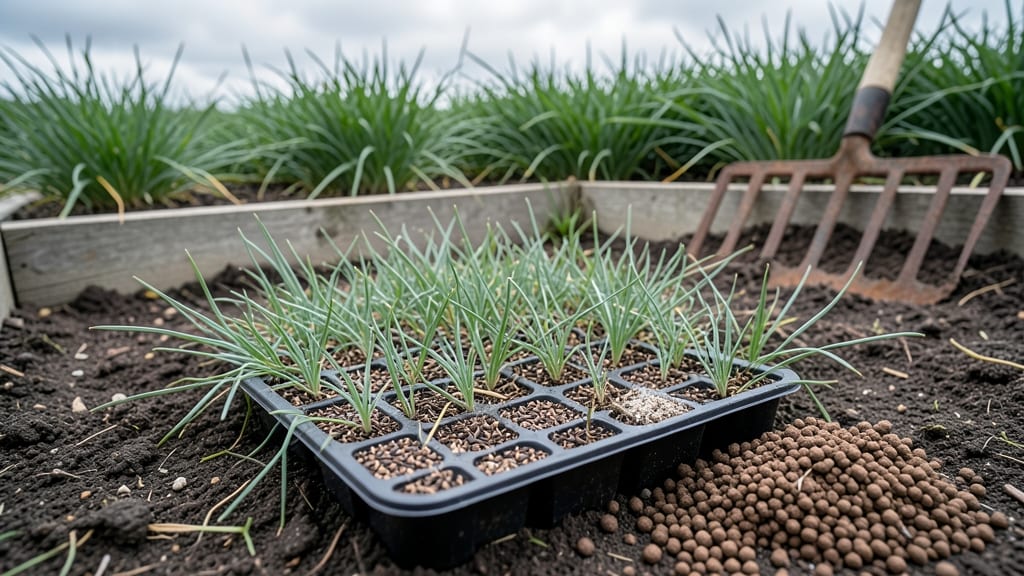
Fertilizing grass seed too soon after planting can actually stunt its growth—the key is waiting 6 to 8 weeks for roots to establish before feeding.
Picture this: you’ve just spread fresh grass seed 🌱, kept it moist, and watched those first green shoots break through the soil. But here’s the catch—rushing to fertilize now could do more harm than good.
Too much nitrogen too soon burns tender roots, while too little leaves your lawn weak and patchy. The secret? Timing it right for a lawn that’s thick, green, and built to last.
Most gardeners make the mistake of fertilizing right after planting, thinking it’ll speed up growth. But grass seed needs that first 6-week window to focus on root development—not just top growth. Without strong roots, even the best fertilizer won’t help your lawn handle drought, traffic, or weeds.
In this guide, I’ll walk you through the exact waiting period, how to tell when your grass is ready for fertilizer, and the simple steps to apply it without overdoing it. Let’s get that lawn off to the right start.
Why you should wait 6 to 8 weeks before fertilizing grass seed
When you plant grass seed, your first instinct might be to fertilize immediately for faster growth. But here’s the truth: rushing fertilization can actually harm your new lawn. Grass seed prioritizes root development over leafy top growth during the first few weeks.
Applying fertilizer too soon forces the plant to focus on nutrient uptake instead of establishing a strong root system, leaving it weak and vulnerable to stress.
The 6 to 8-week wait gives your grass seed time to germinate, grow a robust root network, and develop the resilience needed to handle fertilizer. Think of it like giving a baby its first solid foods—you don’t rush it with heavy meals right away.
Instead, you build strength gradually. This waiting period ensures your grass can absorb nutrients efficiently without risking fertilizer burn or nutrient overload.
Here’s the science behind it: During the first 3 to 4 weeks, grass seed focuses nearly all its energy on sprouting and root establishment. After germination, the plant shifts to leaf and stem growth, but the roots are still delicate.
Fertilizer introduces high levels of nitrogen, phosphorus, and potassium, which can overwhelm tender seedlings. Waiting until your grass reaches 3 to 4 inches tall and has a 70% germination rate signals it’s ready for fertilization.
Skipping this step can lead to common problems like yellowing blades, stunted growth, or even crusting soil from excess salts. Over-fertilizing early also attracts pests and diseases, as stressed grass becomes an easy target.
The key is patience—letting your lawn build a deep, healthy root system before introducing extra nutrients.
🌱 Did You Know? Grass roots grow best in the first 6 to 8 weeks after planting. During this time, they can extend up to 6 inches deep into the soil, creating a network that supports your lawn for years. Fertilizer applied too soon can disrupt this critical growth phase, leaving your grass shallow-rooted and prone to drought stress.
Now, let’s talk about the signs your grass is ready for that first fertilizer application. You’ll know it’s time when your lawn reaches 3 to 4 inches in height and has a dense, uniform green color.
At this stage, the roots have had enough time to establish, and the blades are strong enough to handle the nutrients. Another telltale sign is when 70% or more of the seeds have germinated, indicating a healthy, thriving lawn.
But what if your grass isn’t growing as expected? Don’t panic—environmental factors like soil temperature, sunlight, and watering can delay germination. If your lawn is still sparse after 6 to 8 weeks, consider testing your soil pH and nutrient levels before fertilizing.
A soil test can reveal deficiencies in nitrogen, phosphorus, or potassium, helping you adjust your approach.
The 6 to 8-week window isn’t just a rule—it’s backed by how grass biology works. During this time, your lawn transitions from a seedling stage to a mature grass plant capable of handling fertilization.
For example, cool-season grasses like Kentucky bluegrass and fescue benefit from this wait, as they establish roots more slowly in cooler temperatures. Meanwhile, warm-season grasses like Bermuda and Zoysia can sometimes tolerate earlier fertilization, but even they thrive better with a strong root system first.
If you’re eager to see results, resist the urge to fertilize early. Instead, focus on consistent watering and light mowing once your grass reaches 3 inches tall.
This encourages deeper root growth and prepares your lawn for the first fertilizer application. Remember, a well-rooted lawn is a resilient lawn, and that starts with patience.
Once your grass hits the 3 to 4-inch mark and shows signs of uniform density, it’s time to introduce fertilizer. Start with a slow-release, balanced formula (like a 10-10-10 or 16-4-8 NPK ratio) to avoid overwhelming the roots.
Apply it in the early morning when the grass is dry, and water it in thoroughly to help the nutrients reach the roots.
By waiting, you’re setting your lawn up for long-term success. A strong root system
Step-by-step fertilizer application guide for new grass seed
Now that your grass seed has established a strong root system after 6 to 8 weeks, it’s time to apply fertilizer—but not all fertilizers are equal. The right type and application method will determine whether your lawn thrives or suffers from nutrient overload.
For new grass seed, I always recommend starting with a slow-release fertilizer (like a 16-4-8 NPK blend) to avoid shocking tender roots.
Warm-season grasses like Bermuda or Zoysia need slightly more nitrogen than cool-season types like Kentucky Bluegrass. Always check the label for application rates per 1,000 sq ft—overdoing it here can lead to fertilizer burn and stunted growth.
A broadcast spreader is ideal for even coverage, but if you’re using a drop spreader, walk in overlapping patterns for consistency.
Step-by-Step Fertilizer Application
- Step 1: Choose the right fertilizer—slow-release (e.g., 16-4-8) for new seed to prevent burn.
- Step 2: Mow the lawn to 2.5–3 inches height before applying to ensure even contact with blades.
- Step 3: Apply fertilizer in early morning when dew is present to reduce stress on grass.
- Step 4: Use a broadcast spreader set to the recommended rate (e.g., 0.5 lbs per 100 sq ft).
- Step 5: Water lightly after application to activate granules without washing them away.
After applying, keep the soil consistently moist for the next 7–10 days to help the fertilizer dissolve and reach the roots. Avoid heavy watering immediately after—this can create a nutrient runoff that harms nearby plants or waterways.
For cool-season grasses, a second light application in late fall will strengthen roots before winter.
Pro tip: If your lawn looks darker green within 7–14 days of fertilizing, you’re on the right track! But if you notice yellowing tips or crusty soil, you’ve overdone it—rinse the area with water and wait 4–6 weeks before reapplying.
Patience here pays off with a thicker, greener lawn next season.
Remember, the first fertilization is just the beginning. From here, stick to a 6–8 week schedule during the growing season, adjusting rates based on your grass type and local climate. With the right approach, your new lawn will grow into a lush, resilient carpet that’s the envy of the neighborhood.