
Plants
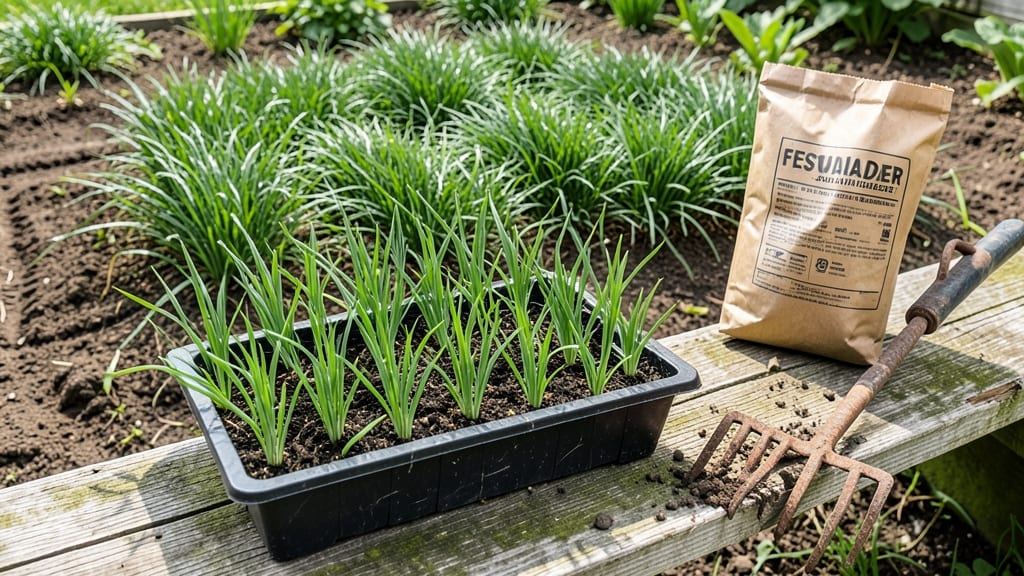
The best time to plant grass seed in Utah is when soil temperatures hit 50–65°F—typically late summer to early fall or early spring, depending on your region.
Utah’s unpredictable climate—from scorching summer heat to early spring frosts—can make grass seed planting a high-stakes gamble. Plant too early, and frost kills your seedlings; too late, and drought stifles growth. But timing isn’t just about the calendar—soil temperature is the real secret to fast, lush germination.
In Utah’s 5-9 USDA zones, cool-season grasses like Tall Fescue thrive when planted in March or September, while warm-season varieties like Buffalo Grass prefer May or August. Salt Lake City’s 6b zone has a shorter window than St. George’s 8a, so local frost dates matter.
Here’s how to nail the timing: test soil temperature, adjust for altitude, and water deeply for fast establishment. I’ll walk you through the exact steps to avoid common pitfalls and get your lawn off to the best start.
Utah’s ideal grass seed planting windows by soil temperature (not calendar months)
Utah’s cool desert climate and elevation shifts create unique challenges for grass seed germination. Unlike most states, Utah’s Wasatch Front (like Salt Lake City) and high desert regions (like St. George) experience vastly different soil temperatures—even in the same month.
The key to success? Planting when your soil hits the ideal 50–65°F range, not just following a calendar.
Cool-season grasses (like Tall Fescue and Kentucky Bluegrass) thrive when soil temps stay between 50–65°F, while warm-season grasses (like Buffalo Grass) need 65–75°F to germinate.
Utah’s late spring frosts (even in May in mountainous areas) and early fall heatwaves (St. George can hit 90°F in September) make timing critical. Miss the window, and you’ll either face frost damage or drought stress.
Here’s the soil temperature breakdown for Utah’s two main planting seasons, adjusted for elevation and microclimates:
Why does elevation matter so much? Utah’s temperature drops 3°F for every 1,000 feet gained. That means planting in Park City (8,000 ft) feels like planting in Denver—cooler and later than St. George’s low desert.
Use a soil thermometer (available at garden centers for ~$10) to check temps at a 4-inch depth before planting. Pro tip: Morning is the best time to test—soil temps are most stable then.
For the Wasatch Front, aim for late March to early April for spring planting, but wait until soil warms to 55°F—frost can still hit in late April.
In St. George, summer heat means planting warm-season grasses in August (soil temps ~70°F) is ideal, but avoid September when temps spike above 80°F. Fall is the sweet spot for all Utah regions: September–October offers consistent moisture and cool nights, reducing drought stress.
One common mistake? Assuming air temperature equals soil temperature. In Utah’s dry climate, soil can stay 10–15°F cooler than the air in shade or 10°F warmer in full sun. Test your specific spot—especially if you’re planting in a microclimate like a north-facing slope (cooler) or a south-facing yard (hotter).
For example, Ogden’s soil might hit 60°F in late March, while Spanish Fork’s could be 50°F—just 30 miles apart!
If you’re planting in high desert areas (like Moab or Cedar City), prioritize drought-resistant grasses like Buffalo Grass or Blue Grama, which tolerate hotter soil temps (up to 85°F).
These varieties also handle Utah’s low humidity better than traditional lawn grasses. For mountainous regions, opt for Tall Fescue blends with c
5 Critical factors that ruin grass seed germination in Utah (and how to avoid them)
Utah’s variable microclimates create unique challenges for grass seed germination. In valley regions like Salt Lake City, late spring frosts can linger until mid-April, while high desert areas like Moab may experience unpredictable heat spikes as early as March.
These fluctuations make timing your planting window more critical than simply following a calendar month.
Even with the right timing, soil moisture and seed-to-soil contact become make-or-break factors. Utah’s clay-heavy soils in some areas can suffocate seeds if not properly aerated, while sandy soils in others drain too quickly, leaving seeds high and dry.
Without addressing these issues, your germination rates can drop by 50% or more.
Here’s the hard truth: Weed competition and improper irrigation are the silent killers of Utah lawns. Many homeowners overwater initially, then underwater during establishment, creating perfect conditions for crabgrass and cheatgrass to take over.
These invasive species thrive in Utah’s arid conditions and can outcompete your grass before it even gets a chance to establish.
In northern Utah (USDA Zone 5-6), wait until soil temps stay above 50°F for 7+ days—typically mid-April. In southern Utah (Zone 7-8), avoid planting after June 15 when daytime temps exceed 90°F. Use a soil thermometer ($10 at hardware stores) to check 2 inches deep—this is your #1 germination predictor.
Let’s tackle the top 5 germination killers in Utah and how to outsmart them. First, late frosts are the nemesis of early spring plantings. Even if the calendar says "spring," a single 28°F night can wipe out seedlings.
The solution? Use frost blankets or plant warm-season grasses like Bermuda or Zoysia in late summer when nights stay above 55°F.
Next, summer drought stress turns Utah lawns into crispy brown patches faster than you can say "monsoon season." The fix? Deep watering (1-1.5 inches per week) combined with mulch to retain moisture.
For newly seeded areas, water twice daily (morning and evening) for the first 10 days to keep soil consistently moist.
Don’t overlook seed-to-soil contact—this is where 90% of failures happen. Utah’s windy conditions can blow seeds away, while uneven terrain leaves pockets of bare soil. Rent a seed broadcast spreader ($50/day) or use a slotted board to press seeds into soil gently.
For hilly yards, consider hydroseeding, which binds seeds with a mulch slurry for better contact.
Finally, weed competition is the ultimate lawn thief. Utah’s native cheatgrass germinates in just 5 days—faster than most grass seeds. Pre-treat bare soil with corn gluten meal (natural pre-emergent) or use pre-emergent herbicides like Dimension in early spring. For established lawns, overseed in fall when weeds are dormant.