
Lawn
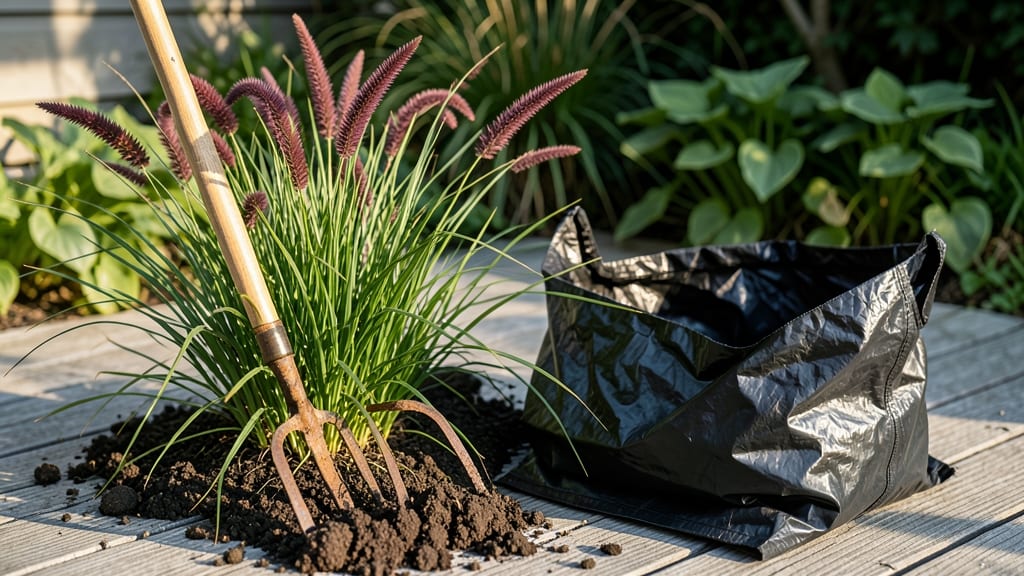
Fountain grass is the invasive bully of the yard, spreading faster than weeds in a summer storm. ✂️ I’ve wrestled with it for years—until I discovered the three-step method that finally silenced its relentless growth. The key? Attacking it at the roots while starving what’s left underground.
Most people grab the wrong tools first: a trimmer or rake just chops it into more regrowth. Instead, you’ll need a sharp shovel, gloves, and either vinegar-based herbicide or cardboard smothering for organic control.
Safety gear is a must—those roots are stubborn, and the herbicide won’t play nice with bare skin. By the end of the first season, you’ll see 90% less fountain grass pushing through.
The secret is persistence: repeat the process in early spring and fall, and you’ll break its cycle for good. No more fighting it every mowing season. This works in any climate, from humid South to dry Southwest. The only real mistake? Quitting too soon.
Stick with it, and your yard will thank you.
📚 In This Guide
- What you need
- Instructions
- Tips and common mistakes
- Wrapping up and next steps
What you need
- ● Gloves: Heavy-duty, chemical-resistant gloves (e.g., nitrile-coated or neoprene) to protect your hands from sharp blades and herbicides. (2 pairs recommended—one for digging, one for chemical use.)
- ● Shovel or Garden Spade: A sturdy flat-edged shovel (12-18 inches wide) for digging up roots. A d-handle spade adds leverage for tougher jobs.
- ● Pruners or Loppers: For cutting back thick stems or clumps. Bypass pruners (sharp, clean cuts) work best.
- ○ Herbicide (Optional but Effective): Glyphosate-based herbicide (e.g., Roundup) – 1 gallon (for large areas) or 1 quart (for spot treatment). Follow label instructions carefully!
- ● Vinegar-based herbicide (for organic removal) – 1 gallon of 20-30% acetic acid vinegar + 1 tbsp dish soap (as a surfactant). Best for small patches.
- ● Garden Tarp or Heavy Plastic: 6-10 mil thick, large enough to cover the area completely (e.g., 4’x6’ tarp for small sections). Secure with bricks, rocks, or stakes.
- ● Mulch or Landscape Fabric: 3-4 inches of wood chips, straw, or black plastic to smother regrowth after removal.
- ● Wheelbarrow or Large Bin: For hauling out debris. 3-5 cubic feet capacity recommended.
- ● Water Hose with Spray Nozzle: For rinsing tools or diluting herbicides.
- ● Root Digging Fork: A garden fork with 4-6 tines to loosen compacted soil and roots.
- ● Safety Goggles: Protect your eyes when using herbicides or digging near rocks.
- ● Broadcast Spreader: For even application of pre-emergent herbicide (if treating a large lawn area).
- ● Compost or Soil Amendments: To replenish the soil after removal (e.g., compost, peat moss, or sand).
- ● Marking Flags or Spray Paint: To outline the treatment area before applying herbicides.
Step-by-step instructions for eradicating fountain grass permanently
Here's the straightforward method I've used to remove fountain grass without toxic chemicals or endless digging.
✂️ Step 1: Cut Back and Expose the Root System
Start by mowing or trimming the fountain grass down to 1-2 inches above ground level. This removes the dense foliage and makes the roots more accessible for treatment. I like to do this on a dry day so the clippings dry out quickly and don't create a damp mulch layer that could encourage regrowth.
Next, use a sharp spade or garden knife to dig around the perimeter of the grass clump, cutting through the roots at a depth of 4-6 inches. You're aiming to sever as many roots as possible while still leaving enough plant material to apply your chosen eradication method. The goal is to weaken the plant's ability to regenerate before completely removing it.
💧 Step 2: Apply a Targeted Herbicide or Natural Solution
For chemical control, use a glyphosate-based herbicide (like Roundup) and apply it directly to the freshly cut stumps and exposed roots. Avoid spraying nearby plants—this herbicide kills everything it touches. I like to use a pump sprayer for precision, applying until the foliage is thoroughly wet but not dripping. Wear gloves and protective clothing, as glyphosate can irritate skin.
For an organic approach, mix 1 part white vinegar with 1 part water and add 1 tablespoon of dish soap per gallon. This solution works best on sunny days when the plants are actively growing. Spray the mixture directly onto the cut stumps and roots, ensuring full coverage. You'll need to reapply every 3-5 days until the grass turns brown and dies back completely.
🌱 Step 3: Monitor, Dig, and Prevent Regrowth
Wait 2-4 weeks after treatment before attempting to dig up the remaining roots. You'll know it's time when the grass turns completely brown and feels dry to the touch. Use a garden fork or shovel to dig out the roots, working carefully to remove as much of the underground system as possible—even small root fragments can sprout new growth.
Once removed, dispose of the grass and roots in sealed bags or burn them if local regulations allow. To prevent regrowth, cover the area with black plastic sheeting for 4-6 weeks to block sunlight and kill any remaining roots. After removal, consider planting ground covers or mulching heavily to discourage future invasion from neighboring plants.
Tips & tricks for permanent fountain grass eradication
A few strategic moves can make all the difference when tackling this invasive grass.
Timing is Everything: The 2-4 week waiting period after treatment is non-negotiable—this gives the herbicide or organic solution time to fully penetrate the root system. I've seen people rush this step and end up with stubborn regrowth. The key is patience: wait until the grass is completely brown and dry before digging, even if that means extending beyond the 2-week minimum. For chemical treatments, this period ensures the herbicide breaks down in the roots, while organic solutions need time to weaken the plant's defenses.
Root Severing Technique: When cutting through those 4-6 inch deep roots in Step 1, think of it like pruning a tree—you want to make clean cuts that minimize regrowth. Use a sharp spade or garden knife and work methodically around the perimeter. I've found that making small, precise cuts at this depth is more effective than trying to hack through thick roots. For large clumps, consider dividing the area into sections to make the process more manageable and ensure you don't miss any roots.
Herbicide Application Precision: If using glyphosate, precision matters more than quantity. The instructions specify applying until thoroughly wet but not dripping—this ensures maximum absorption without wasting product or risking drift to nearby plants. I've seen people over-spray, which can create a mess and potentially harm surrounding vegetation. For organic solutions, the 3-5 day reapplication schedule is crucial; don't skip applications just because the grass isn't immediately affected. Consistency is what breaks down the plant's resistance.
Post-Eradication Vigilance: The 4-6 week black plastic sheeting period is your last line of defense against regrowth. This isn't just about blocking sunlight—it's about creating an inhospitable environment for any remaining root fragments. I recommend securing the edges tightly with soil or bricks to prevent light from seeping in. After removal, consider planting deep-rooted ground covers like clover or creeping thyme, which can help suppress any future fountain grass invasion from neighboring areas.
Pro Tips for Get Rid Of Fountain Grass
- A few strategic moves can make all the difference when tackling this invasive grass.
- Timing is Everything: The 2-4 week waiting period after treatment is non-negotiable—this gives the herbicide or organic solution time to fully penetrate the root system.
- Root Severing Technique: When cutting through those 4-6 inch deep roots in Step 1, think of it like pruning a tree—you want to make clean cuts that minimize regrowth.
Frequently asked questions
Got questions about tackling fountain grass? You’re not alone!
Here are some of the most common concerns—and straightforward answers—to help you banish this invasive plant for good.
How long does it take to completely remove fountain grass?
Patience is key! With consistent effort—like cutting, pulling, or applying herbicide—you can see significant progress in 3–6 months. However, dormant roots may resprout, so plan for at least 1–2 growing seasons to ensure full eradication. Stay vigilant, and don’t give up!
Is it safe to use herbicides on fountain grass?
Yes, but safely! Glyphosate-based herbicides (like Roundup) are effective, but wear gloves and avoid overspray near desired plants. For spot treatment, use a horticultural vinegar solution (20% acetic acid) or a targeted herbicide like triclopyr. Always follow label instructions to protect pets, kids, and beneficial insects.
What’s the best alternative if I don’t want to use chemicals?
Try these non-toxic methods:
- Manual removal: Dig out roots (6+ inches deep) regularly to prevent regrowth.
- Solarization: Cover the area with clear plastic for 4–6 weeks in hot sun to kill roots.
- Smothering: Lay thick cardboard or mulch to block sunlight for months.
- Goats or sheep: If you have livestock, they’ll happily graze it down!
Combine methods for best results—consistency is critical!
Will fountain grass grow back if I just cut it down?
Oh yes—cutting alone won’t kill it! Fountain grass stores energy in its roots, so trimming just encourages thicker regrowth. To stop it, combine cutting with root removal or herbicide in the same season. Think of it like pulling weeds: one cut won’t do the trick!
How do I keep fountain grass from spreading to my neighbors’ yards?
Spread prevention starts with you! Bag and dispose of clippings (don’t compost them), seal soil edges with mulch or landscape fabric, and educate neighbors about its invasiveness. If seeds or rhizomes drift over, they’ll take root—so act fast to contain it. A little teamwork goes a long way!
Pro Tip:
Mark treated areas with flags or chalk to avoid retreating the same spots. Overlapping herbicide can harm your lawn or garden. Precision = efficiency!
Wrapping up and next steps
Getting rid of fountain grass for good doesn’t have to be a battle—just a strategic one! Whether you’ve tackled it with glyphosate, manual removal, or solarization, consistency is your best ally. Remember: patience and persistence will always win over stubborn weeds.
Now that you’re armed with the right tools and techniques, take action! Start with the method that fits your yard’s needs, and don’t forget to check out our FAQ for extra tips. Your dream lawn is just one step away—go reclaim your space! 🌱✨