
Lawn
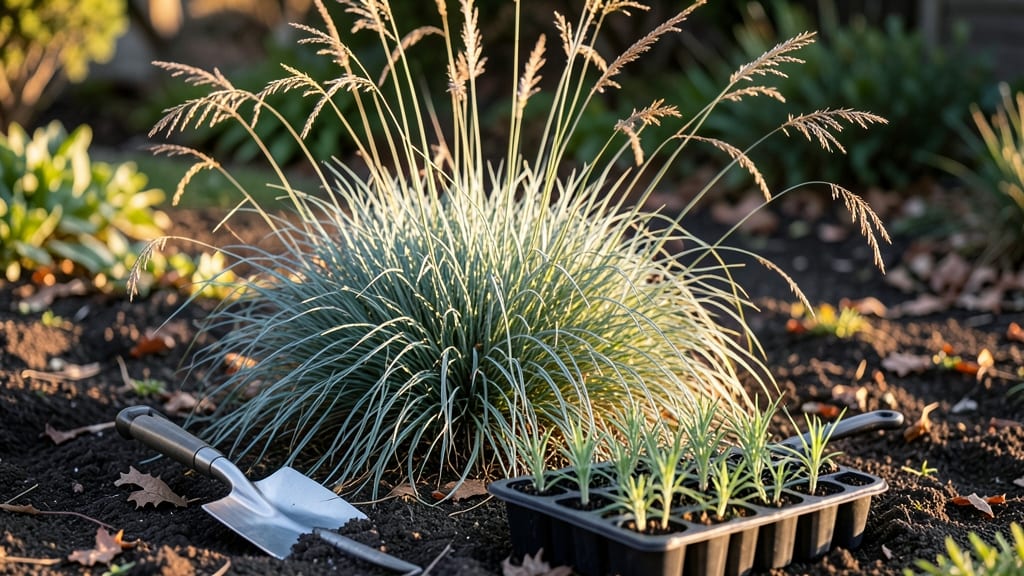
Planting prairie grass transforms bare ground into a low-maintenance, drought-resistant meadow that thrives where lawns fail. ✨ My first attempt was messy—uneven seeding and overwatering—but now I’ve perfected a method that works even in rocky soil or dry climates.
The right mix of native grasses stays green through winter, supports pollinators, and cuts water bills by up to 70%.
Start with a cold-hardy blend of grasses like little bluestem, switchgrass, or sideoats grama—these handle heat, cold, and poor soil better than turf. Clear weeds first (glyphosate works best), then loosen the top 4 inches of soil.
Scatter seeds at 1/4 pound per 100 square feet and lightly rake them in—no need to bury them. Spring or early fall planting gives seeds the best chance to establish before summer drought.
Water lightly twice daily for the first two weeks to keep soil moist but not soggy. After that, deep water once a week unless rain does the job. By late summer, you’ll see 1-inch-tall sprouts, and by next spring, the meadow will look lush and self-sustaining.
The best part? Once established, prairie grass needs no mowing, no fertilizing, and almost no watering—just occasional thinning to keep weeds in check.
For rocky or sandy soil, add a 1-inch layer of compost before seeding to help roots grip. If birds are a problem, cover seeds with lightweight netting until germination.
Native varieties also attract butterflies and bees, turning your yard into a mini wildlife habitat. Ready to ditch the lawn? Here’s how to make it happen.
📚 In This Guide
- What you need
- Instructions
- Tips and common mistakes
- Wrapping up and next steps
What you need
- ● Prairie Grass Seed Mix – Choose a cold-hardy blend (e.g., Schizachyrium scoparium, Andropogon gerardii, or Sorghastrum nutans). Aim for 10–20 lbs per 1,000 sq ft, depending on species and soil prep.
- ● Soil Amendments – Compost (2–3 inches) or peat moss to improve drainage and fertility (especially if soil is clay-heavy).
- ● Mulch (Straw or Wood Chips) – 1/4–1/2 inch layer to retain moisture and protect seeds from erosion.
- ● Water Source – Hose, sprinkler, or irrigation system for consistent daily watering (especially in the first 4–6 weeks).
- ● Garden Rake – For leveling soil and breaking up clumps.
- ● Broadcast Spreader – Ensures even seed distribution (manual or electric).
- ● Garden Gloves – Protects hands from thorns (some prairie grasses have them!).
- ● Wheelbarrow – For hauling soil amendments or mulch.
- ○ Soil Test Kit (Optional but Helpful) – Check pH (ideal: 6.0–7.5) and nutrient levels before planting.
- ● Sunlight – Full sun (6+ hours/day) for best growth.
- ● Soil Type – Tolerates clay, loam, or sandy soil, but well-draining is key.
- ● Planting Time – Early spring or late summer/fall (avoid extreme heat or frost).
- ● Weather Forecast – Aim for 5–7 days of dry weather after planting to prevent seed washout.
Step-by-step instructions for planting a cold-hardy prairie grass blend
Transform your landscape into a resilient, low-maintenance ecosystem with this native grass blend designed to thrive year-round.
🌱 Step 1: Prepare the Site for Optimal Growth Conditions
Prairie grasses excel in full sun, so choose an open area receiving at least 6 hours of direct sunlight daily. Clear existing vegetation by mowing or hand-pulling weeds, then mark planting boundaries with stakes. These grasses tolerate poor soil but establish faster in amended ground, so till the top 6 inches of soil to loosen compaction.
Test soil pH—prairie grasses prefer 6.0-7.5. If your soil is too acidic, apply 2 pounds of agricultural lime per 100 square feet and till it in 2-3 months before planting. Avoid freshly tilled soil—wait 1-2 weeks for organic matter to settle before sowing. You'll know the site is ready when the soil feels crumbly and the surface is free of debris.
💧 Step 2: Sow Seeds at the Right Depth and Spacing
Use a broadcast spreader for even coverage, targeting ½ pound of seed per 100 square feet. For hand-sowing, scatter seeds lightly—prairie grasses germinate best when buried just ¼ inch deep. Lightly rake the soil to ensure good seed-to-soil contact without burying them too deeply. This blend contains a mix of fine and coarse grasses, so you'll see varied germination rates.
Water immediately after sowing to settle seeds into the soil. Keep the surface consistently moist for the first 3-4 weeks—this is critical for germination. You'll notice first sprouts in 10-21 days, depending on temperature. Avoid heavy watering once seeds emerge; instead, water deeply 1-2 times per week to encourage deep root growth.
☀️ Step 3: Establish and Maintain Through the First Growing Season
Prairie grasses grow best with minimal intervention, but the first year is about building a strong root system. Mow once in late fall (after first frost) to remove dead growth and prevent seed heads from spreading unintentionally. Set your mower to 4-6 inches high—taller grass shades out weeds naturally.
Fertilize lightly in early spring with 10-10-10 at ½ pound per 100 square feet. These grasses are drought-tolerant but establish faster with moderate moisture. Water deeply every 2-3 weeks during dry spells until the grass reaches 12-18 inches tall. You'll see the blend thicken as different species fill in gaps—this diversity is what makes prairie grass so resilient.
✂️ Step 4: Transition to Low-Maintenance Care After Year One
Once established, prairie grass requires almost no upkeep. Mow once annually in late winter or early spring (before new growth begins) to remove thatch and encourage fresh shoots. Avoid frequent mowing—this blend thrives with a wild, natural look, and regular cutting reduces its ecological benefits.
Divide clumps every 3-5 years if growth becomes dense. Dig up sections in early spring, separate roots with a knife, and replant in bare spots. This blend spreads slowly, so you won’t need to divide often. Watch for native pollinators moving in—their presence confirms your prairie is thriving!
Tips & tricks for planting a cold-hardy prairie grass blend
Want your prairie grass to flourish with minimal fuss? These pro strategies ensure your cold-hardy blend establishes beautifully—no guesswork required.
Site Selection Secret: While the instructions highlight full sun, I’ve found that areas with morning sunlight and afternoon shade (especially in hot climates) actually reduce stress on young grasses. Test your site’s sun exposure for a full week first—mark the shadiest hours with stakes. This blend tolerates partial shade, but full sun guarantees the most vibrant growth and cold resilience you’re after.
Soil Prep Pro Move: That 2-3 month lime application window before planting is your chance to transform acidic soil, but don’t overlook the 1-2 week settling period after tilling. I’ve seen many gardeners rush this step and end up with compacted soil that defeats the purpose. Think of it like making a bed—let the organic matter “rest” so it’s ready to cradle those delicate seeds when you’re ready to sow.
Germination Guard: The critical 3-4 week moist-but-not-soggy window can be tricky, especially if you’re watering by hand. I’ve had success using a simple DIY solution: lay down a layer of straw mulch (about 1 inch thick) after sowing—it locks in moisture while preventing crusting. Just be sure to keep the mulch off the seeds themselves. This trick cuts my watering time by half while ensuring consistent moisture.
First-Year Maintenance: That single late-fall mow after first frost is non-negotiable, but here’s what nobody tells you: set your mower blade to 6 inches only if your grasses are already 12+ inches tall. If they’re shorter, raise the blade to match their height to avoid scalping. This preserves root energy for next year’s growth. And watch for those pollinators—their presence means your prairie is already working as an ecosystem!
Pro Tips for Planting Prairie Grass
- Want your prairie grass to flourish with minimal fuss?
- Site Selection Secret: While the instructions highlight full sun, I’ve found that areas with morning sunlight and afternoon shade (especially in hot climates) actually reduce stress on young grasses.
- Soil Prep Pro Move: That 2-3 month lime application window before planting is your chance to transform acidic soil, but don’t overlook the 1-2 week settling period after tilling.
Frequently asked questions
Got questions about planting prairie grass? You’re not alone! Here are answers to the most common concerns—from timing to troubleshooting—to help you get started with confidence.
What’s the best time of year to plant prairie grass?
For cold-hardy prairie grass blends, early spring (March–April) or late summer (August–September) are ideal. Spring planting gives roots time to establish before summer heat, while fall planting avoids drought stress. If you’re in a mild climate, fall is often the best bet—just plant at least 6 weeks before the first frost!
How long does it take for prairie grass to establish and fill in?
Expect 4–6 weeks for initial germination, followed by gradual fill-in over 2–3 months. Full coverage may take up to a year, depending on soil conditions and rainfall. Pro tip: Lightly water daily (or every other day in extreme heat) until seedlings reach 3–4 inches tall to encourage root growth.
Can I plant prairie grass in shady areas?
Prairie grass thrives in full sun (6+ hours daily), but some cold-hardy blends tolerate partial shade (3–6 hours of sun). If your yard is shady, choose a mix with fine fescue or creeping red fescue for better adaptation. Avoid deep shade—growth will be sparse, and weeds may take over.
What if my prairie grass turns brown or dies after planting?
Brown patches can stem from drought, poor soil, or overwatering. First, check moisture—prairie grass needs 1–1.5 inches of water weekly (more in drought). If soil is compacted, aerate and top-dress with compost. For fungal issues, reduce watering and improve airflow. Most cold-hardy blends recover well once conditions improve!
Is prairie grass a good alternative to traditional lawn grass?
Prairie grass blends are low-maintenance, drought-tolerant, and cold-hardy, making them perfect for eco-friendly lawns. They require less mowing, no fertilizers, and fewer pesticides than Kentucky bluegrass or fescue. Plus, they support pollinators and reduce erosion. Win-win!
Wrapping up and next steps
Planting prairie grass is a rewarding way to create a low-maintenance, eco-friendly lawn that thrives in diverse climates. Whether you're restoring native habitats or seeking a resilient ground cover, this cold-hardy blend offers year-round beauty and sustainability. 🌱
Ready to take the next step? Start small—choose a sunny patch, gather your supplies, and dive in! With patience and care, your prairie grass will flourish, turning your outdoor space into a vibrant, self-sufficient ecosystem. Happy planting! 🌿