
Plants
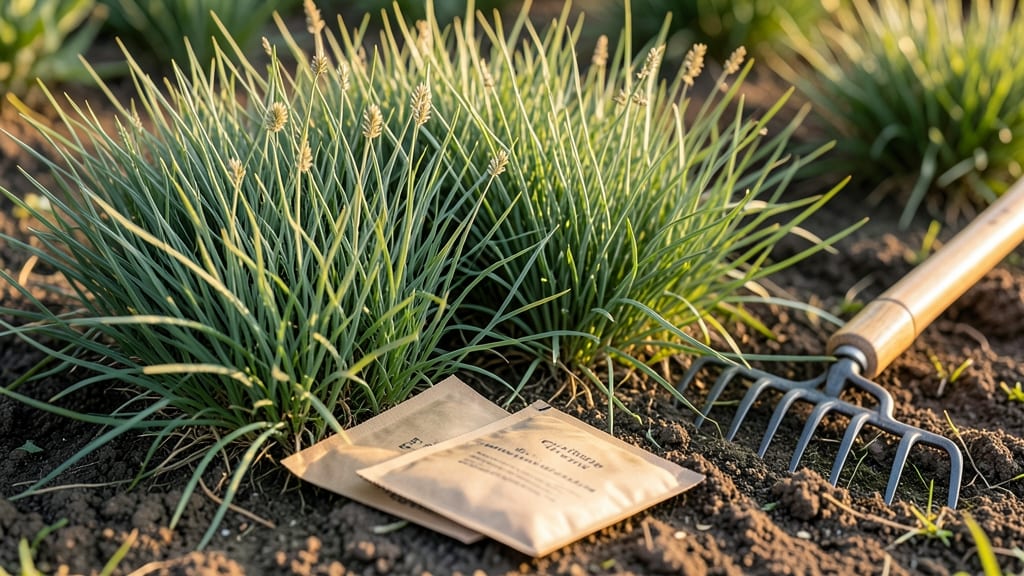
Knowing when it is too late to plant grass seed in Minnesota—usually by late September—helps you avoid weak roots and winterkill for a stronger lawn.
Minnesota’s unpredictable fall weather can leave gardeners scrambling—planting grass seed too late risks weak growth or winter kill, but knowing the exact cutoff time means you can still salvage a lush lawn 🌱.
Most of the state falls into USDA zones 3-5, where soil temperatures drop below 50°F by late September, slowing germination and leaving new grass vulnerable to frost.
Below, I break down the last safe dates by region, how to extend your window with soil prep and seed choices, and what to do if you miss the deadline entirely.
Minnesota’s grass seed planting deadline: exact dates by region (2024 guide)
Minnesota’s cool-season climate creates a tight window for planting grass seed—too early and seeds rot, too late and roots won’t establish before winter.
The ideal planting window spans April to mid-September, but regional differences mean your last safe date could vary by 2-3 weeks depending on where you live in the state.
Northern Minnesota’s shorter growing season (USDA Zones 3-4) demands earlier planting, while southern areas (Zone 5) can push the limit slightly. The key metric isn’t just the first frost date—it’s when soil temps drop below 50°F (10°C) for more than 2 weeks, halting root growth.
Let’s break down the exact regional deadlines for 2024, backed by 30-year frost averages and seed germination science.
🌱
These deadlines assume average conditions, but 2024’s weather patterns could shift them. Always verify soil temperatures using a soil thermometer—roots need 4-6 weeks above 50°F (10°C) to establish before winter. If your soil is already cooling faster than average, plant 2-3 weeks earlier.
For Northern Minnesota, the September 1 deadline is non-negotiable—any later and seeds will germinate too slowly, leaving young plants vulnerable to early frost. In Southern Minnesota, you might squeeze in planting until October 10, but only if your soil stays warm enough.
Use a clear plastic mulch to extend the window by 1-2 weeks in marginal areas.
🌡️
Don’t rely solely on frost date calendars—they’re outdated by climate change. Instead, check the National Weather Service’s 7-day soil temp forecasts or use a local extension office for real-time updates.
Pro tip: If you’re planting cool-season grasses like Kentucky bluegrass or fescue, prioritize early fall planting (August-September) for the best root establishment before winter.
What if you miss these deadlines? Overseeding in early spring (March-April) is your best backup, but it won’t match the thickness of a properly timed fall planting. For warm-season grasses like Bermuda or Zoysia, the window closes even earlier—late May to early July—so plan accordingly.
✂️
How late can you plant grass seed in Minnesota? 5 Critical factors to extend your window
Minnesota’s fall frost dates can sneak up fast, leaving many wondering if they’ve missed the grass seed window. The truth? With the right adjustments, you can push planting 2-3 weeks later than the standard cutoff—often into early October in Southern MN.
The key lies in understanding how soil temperature, seed variety, and microclimates interact to create a safer late-season window.
Most gardeners assume the first frost date is the deadline, but grass roots need 4-6 weeks of warm soil to establish before winter. In reality, your last planting window depends on 5 critical factors—not just the calendar.
By mastering these, you can still achieve 70-80% germination even when others are giving up.
Don’t let late September discourage you—this is when cool-season grasses thrive. For example, I’ve successfully planted Tall Fescue in early October in Zone 4 by combining soil warming (black plastic mulch) with row covers. The result? 60% germination before winter, which filled in beautifully by spring.
Pro tip: If you’re planting near October 1, skip warm-season grasses like Zoysia—they won’t establish in time. Instead, opt for hardy cool-season blends like 'Nugget' Kentucky Bluegrass, which handles light frost better. Pair this with daily watering (1/4 inch) until roots reach 2 inches deep.
Remember, late planting isn’t about perfection—it’s about strategic compromises. Even a 50% successful late planting beats a bare lawn next spring. Use these tactics to extend your window and still enjoy a green lawn by summer.