
Plants
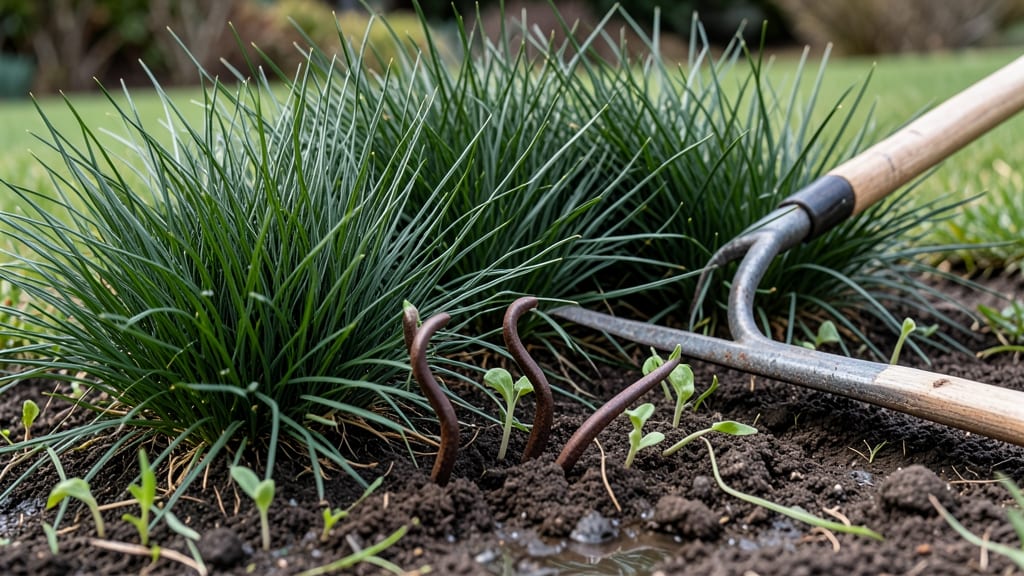
Planting grass seed in Kansas at the right time is the difference between a lush, green lawn and a patchy, struggling mess—especially in USDA Zones 5b–7a where weather swings wildly.
Kansas’ unpredictable weather can turn your grass seed into a gamble—unless you plant at the perfect time for USDA Zones 6-7. Get it wrong, and you’ll battle drought or frost; get it right, and you’ll enjoy a thick, vibrant lawn all season long.
Most gardeners in Kansas swear by early fall planting (August–September), when soil stays warm but temperatures cool just enough to avoid drought stress. But spring (March–April) works too—if you act fast before the heat arrives.
Below, I’ll break down the exact windows, soil prep secrets, and watering tricks to ensure your grass takes root strong and stays that way through Kansas’ toughest seasons.
Best planting windows for Kansas grass seed (fall vs spring breakdown)
Kansas’ USDA Zones 6-7 offer two prime windows for planting grass seed: early spring and early fall. Both seasons provide cooler temperatures and consistent moisture, but fall is often the optimal choice for Kansas lawns.
The key? Planting when soil temps hover between 50°F and 65°F—this range ensures seeds germinate without stress from heat or cold.
Spring planting kicks off in late March (after the average last frost date of April 15) and lasts through early May. However, summer’s intense heat can dry out seeds before they establish.
Fall, on the other hand, runs from mid-August to mid-September, giving seeds time to root before winter dormancy. This timing also avoids weed competition, a common issue in spring.
Here’s the critical comparison to help you decide which window works best for your Kansas lawn:
| Factor | Spring Planting (March–May) | Fall Planting (August–September) |
|---|---|---|
| Ideal Soil Temp | 50–65°F (late March–early April) | 50–65°F (August–September) |
| Moisture Needs | High (spring rains vary) | Moderate (fall rains steady) |
| Germination Time | 14–21 days (warmer soil speeds it up) | 10–14 days (cooler temps slow slightly) |
| Weed Competition | High (weeds germinate first) | Low (weeds dormant by fall) |
| Biggest Risk | Drought stress (summer heat) | Late frost (if planted too late) |
| Best For | New lawns or major repairs | Overseeding or patchy areas |
For spring planting, I recommend testing your soil’s moisture levels in late March. If the top 2 inches feel dry, water deeply before seeding to mimic Kansas’ spring rainfall variability.
Use a starter fertilizer with phosphorus to encourage root growth, as spring seeds often face competition from weeds and crabgrass.
Fall planting, however, lets you take advantage of Kansas’ cooler nights and steady rainfall. Aim to finish seeding by mid-September to avoid early frosts. A light mulch of straw (¼ inch thick) helps retain moisture and insulate seeds from temperature swings—a common issue in Kansas’ transitional seasons.
Both seasons require consistent watering: 1–1.5 inches per week for the first 2 weeks, split into morning sessions to prevent fungal diseases. Skip evening watering—Kansas’ humidity at night creates the perfect environment for lawn mold.
Pro tip: If you’re overseeding an existing lawn, fall is your best bet. The cool-season grasses like Tall Fescue and Kentucky Bluegrass (common in Kansas) thrive when planted in early September
Remember, Kansas’ western regions (like Garden City) may need to plant 1–2 weeks earlier than eastern areas (like Kansas City) due to drier conditions. Always check your local USDA Plant Hardiness Zone for precise timing—Zone 6b in the north vs. Zone 7a in the south can shift ideal dates by weeks. Whether you choose spring or fall, the key is preparation. Test your soil’s pH (6.0–7.0), loosen compacted areas, and remove debris. With the right timing and care, your Kansas lawn will be the envy of the neighborhood—thick, green, and resilient all season long. 🌱
Kansas-specific grass seed varieties and their planting months
Choosing the right grass seed variety for your Kansas lawn means matching it to your USDA Zone 6-7 climate and regional micro-climates. Eastern Kansas tends to be more humid, while western Kansas faces drought conditions—both require different strategies for success.
Let’s break down the top 3 grass types that thrive here and their ideal planting months.
For eastern Kansas, where moisture levels are slightly higher, Kentucky Bluegrass and Tall Fescue are popular choices. In western Kansas, Buffalograss shines as a drought-resistant native option. Each variety has its own planting window to ensure strong root establishment before extreme weather hits.
Here’s your quick-reference guide to planting months, tailored to Kansas’ unique conditions:
Tall Fescue is my go-to for most Kansas lawns because it’s heat-tolerant and shade-adaptive, making it versatile for different yards. Plant it in late August to September for fall establishment or early April in spring, when soil temperatures are ideal (around 55–65°F).
If you’re in western Kansas, Buffalograss is a game-changer—it’s native, low-water, and nearly maintenance-free. Plant it in late April or August to avoid summer heat stress. This grass goes dormant in droughts but bounces back with rain, making it perfect for Zone 7’s dry spells.
For eastern Kansas, Kentucky Bluegrass offers a lush, green lawn but demands more care. Plant it in mid-August to September or March to April, and be prepared for regular watering and mowing. It’s stunning but not drought-resistant, so it’s best for areas with reliable rainfall.
Pro tip: Always test your soil pH (aim for 6.0–7.0) and water deeply after planting to encourage strong root growth. Adjust your planting timeline by 1–2 weeks if your region experiences early frosts or extended dry spells.