
Companion Plants
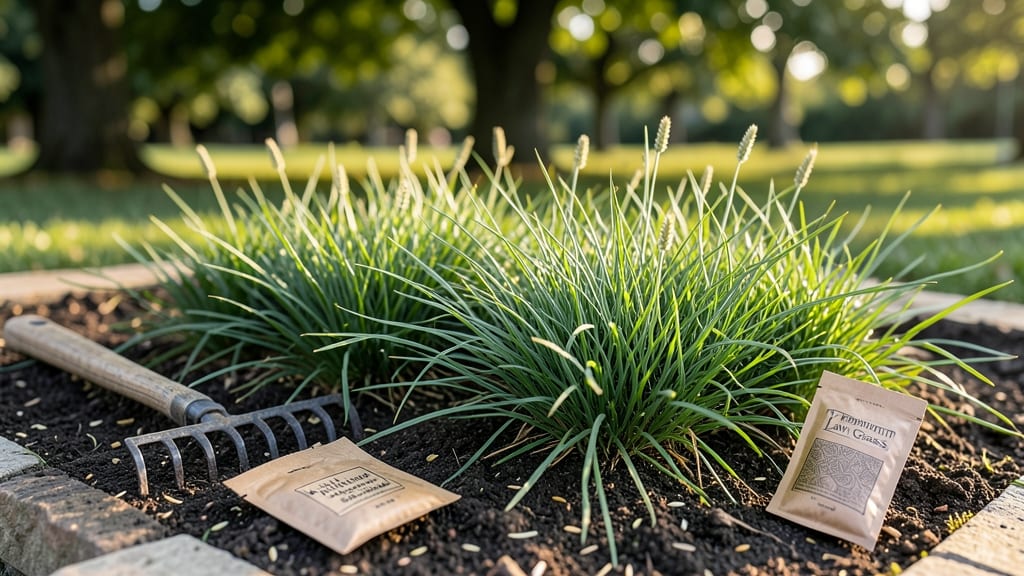
Planting grass seed in spring is all about timing—get it right, and you’ll have a thick, green lawn by summer; get it wrong, and you’re staring at bare patches for months.
Most gardeners assume "spring" means "as soon as the snow melts," but soil temperature is the real game-changer. In USDA Zone 6a, waiting until the ground warms to at least 50°F (around mid-April) makes all the difference between success and failure.
Why? Cool soil slows germination, while heat dries out seeds before they sprout. I’ll break down the exact soil temps for your grass type, regional planting windows, and how to test readiness without guessing.
Skip the trial-and-error—here’s how to plant grass seed at the perfect moment for your climate, plus 3 mistakes that kill lawns before they even start.
Best soil temperature ranges for spring grass seed planting
Getting your grass seed timing right in spring isn’t just about the calendar—it’s all about soil temperatures. Cool-season grasses like Kentucky bluegrass and fescue thrive when soil warms to 50–65°F (10–18°C), while warm-season types such as Bermuda and Zoysia need 65–75°F (18–24°C) to germinate properly.
Planting too early in cold soil can leave your seeds sitting dormant, while waiting too long risks summer drought stress.
Most gardeners focus on last frost dates, but that’s only half the battle. Soil stays cold long after frost has passed—especially in northern climates—so testing with a soil thermometer (or even a reliable moon phase guide) is key.
For example, in USDA Zone 5, March might feel spring-like, but soil temps can still hover around 40°F (4°C), which is too chilly for germination.
Here’s the golden rule: Wait until soil reaches 50°F (10°C) for 5+ consecutive days before planting cool-season grass. For warm-season varieties, aim for 65°F (18°C) or higher. This consistency ensures roots establish quickly, giving your lawn the best shot at outpacing weeds and drought.
Testing your soil’s readiness is simpler than you think. A soil thermometer (available for under $10) gives instant readings, but you can also use the back-of-the-hand test: If the soil feels cool to the touch (like a chilled drink), it’s not warm enough.
For a DIY approach, bury a thermometer in direct sunlight for 30 minutes—this mimics real planting conditions.
Regional variations matter more than you’d expect. In Pacific Northwest climates, soil warms slowly, so aim for late April planting. Meanwhile, in Southeastern states, March soil can already hit 60°F (15°C), making it prime time for warm-season grasses.
Always check local agricultural extensions for microclimate tips—urban areas often run 5–10°F warmer than rural zones.
One common mistake? Planting when air temperatures feel warm but soil temps lag behind. For example, a sunny 70°F (21°C) day in April might still have 45°F (7°C) soil at depth.
This mismatch slows germination by 50% or more. To fix this, use black plastic mulch for 2–3 days before planting to warm the soil faster.
Watering strategy also shifts with soil temps. In cool soil (<55°F/13°C), seeds need light, frequent watering (like a mist) to stay moist without washing away. Once soil hits 60°F (15°C)+, switch to deep, infrequent watering (1 inch per week) to encourage root growth.
A sprinkler with adjustable nozzles makes this easy—just set it for 15-minute cycles twice daily until germination.
Pro tip: If your soil tests too cold, cover seeds lightly with straw mulch (1/4 inch thick) to insulate them. This adds 5–10°F (3–6°C) of warmth and keeps moisture locked in.
Just remove it once seedlings emerge to avoid mold. For warm-season grasses, wait until nighttime temps stay above 60°F (15°C)—this signals consistent warmth for root development.
Remember, patience pays off. Rushing into spring planting often leads to thin, patchy lawns that struggle to compete with weeds. By aligning your planting with soil science—not just the calendar—you’ll set your grass up for deep roots, faster growth, and fewer headaches down the road. 🌱
Spring planting timeline by u.s. climate zones
Timing your grass seed planting in spring depends heavily on your USDA climate zone, as early planting in cold zones risks frost damage while late planting in warm zones may trigger drought stress.
Each zone has a 30-45 day window where soil temperatures and moisture align perfectly for germination. Let’s break down the ideal month-by-month planting schedule for zones 3 through 10 to maximize your lawn’s success.
For cool-season grasses (like Kentucky bluegrass or tall fescue), aim for planting when daytime temperatures hover between 60-75°F—this typically lands in early to mid-spring. In contrast, warm-season grasses (such as Bermuda or Zoysia) thrive when soil temperatures reach 70-75°F, often aligning with late spring.
The key is avoiding late frost risks in the north and summer drought in the south.
Soil temperature is your best indicator—use a soil thermometer to confirm readiness. For most zones, 50-60°F soil temps signal it’s time to plant cool-season grasses, while 65°F+ is ideal for warm-season varieties. Below, I’ve mapped out the optimal planting windows for each zone, including adjustments for early vs. late spring challenges.
| Zone | Cool-Season Grass Window | Warm-Season Grass Window | Key Risks | Adjustments |
|---|---|---|---|---|
| 3-4 | Late April–Early May | N/A (too cold) | Frost, slow germination | Use frost blankets; test soil temp daily |
| 5-6 | Mid-April–Late May | Early June | Late frost, drought | Plant ryegrass first for early coverage |
| 7-8 | Early March–April | Mid-May–June | Heat stress, weeds | Mulch seeds with straw; water deeply |
| 9-10 | Late February–March | April–May | Drought, high temps | Use drip irrigation; plant shade-tolerant varieties |
In zones 3-4, where frosts linger into May, I recommend waiting until late April to plant cool-season grasses. Use frost blankets or row covers to protect young seedlings if an unexpected freeze hits.
For zones 5-6, split your planting into two phases: start with ryegrass in early April for quick coverage, then follow with fescue or bluegrass in May.
Southern zones (7-10) face the opposite challenge—heat and drought can dry out seeds before germination. In these areas, plant warm-season grasses in late spring (May-June) when soil temps stabilize above 70°F.
Always water deeply twice daily for the first week to keep seeds moist. For cool-season grasses in these zones, aim for February-March to avoid summer heat.
Pro tip: If your spring is unpredictable (like in zone 6), test your soil temperature daily with a thermometer. Plant when it consistently hits 50°F for cool-season or 65°F for warm-season grasses. This small step can save you from patchy lawns or wasted seed. 🌱