
Plants
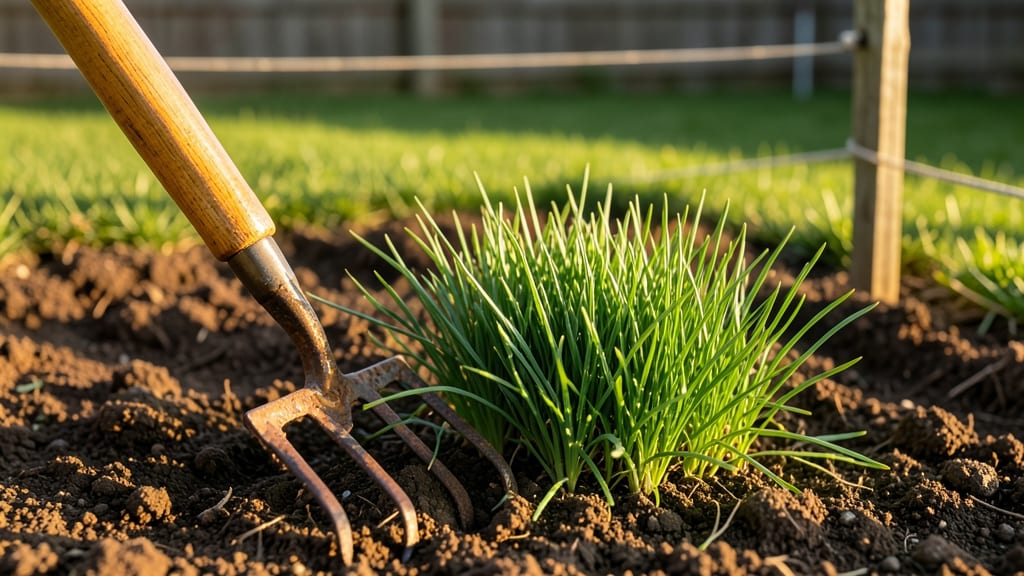
Planting grass seed in Minnesota at the right time ensures strong germination and a lush lawn 🌱 — aim for early spring or early fall when soil temperatures hit 50-65°F.
If you’ve ever spread seed in May only to watch it bake in the sun or freeze in a late frost, you know timing is everything. Minnesota’s 3-5 hardiness zones mean frost dates shift from north to south, and planting too early or late can leave you with patchy results.
Cool-season grasses like Kentucky bluegrass thrive when planted 4-6 weeks before the first frost or after the last one, but soil temperature matters more than the calendar.
Below, I break down the best months by region, soil prep tips, and how to avoid common mistakes that turn green dreams into brown patches.
You’ll learn how to read frost forecasts, prep soil for success, and adjust your schedule whether you’re in the Twin Cities or the Iron Range. Let’s get that lawn growing the right way.
Best months to plant grass seed in Minnesota based on soil temperature
Minnesota’s cool-season climate makes timing critical for grass seed success. Planting too early risks frost damage, while waiting too long means missed germination windows. The ideal soil temperature for grass seed is between 50°F and 65°F, which aligns with two perfect planting windows: early spring and early fall.
Let’s break down the best months for each grass type and how to align your schedule with Minnesota’s unpredictable weather.
For cool-season grasses like Kentucky bluegrass and fescue, the optimal planting window is April through May or August through September.
These grasses thrive when soil temps are 50°F to 60°F, which Minnesota typically hits in late spring and early fall. Warm-season grasses like Bermuda grass or Zoysia are rare in Minnesota but prefer 65°F+ soil, making late May to early June the narrow window for them.
Here’s how Minnesota’s regional frost dates impact your planting schedule. Northern MN (Zones 3-4) has a longer frost-free period (May 15–Oct 1), while Southern MN (Zones 4-5) can start earlier (April 15) and end later (Oct 15).
Adjust your timing based on your location to avoid late spring frosts or early fall freezes.
| Planting Window | Grass Type | Ideal Soil Temp (°F) | Best Months (MN) | Key Considerations |
|---|---|---|---|---|
| Early Spring | Cool-Season (Kentucky Bluegrass, Fescue) | 50–60°F | April–May | Avoid frost; wait until soil warms |
| Early Fall | Cool-Season (Tall Fescue, Ryegrass) | 50–65°F | August–September | 6 weeks before first frost for root establishment |
| Late Spring | Warm-Season (Bermuda, Zoysia) | 65–75°F | Late May–June | Risky in MN; limited success |
Spring planting in Minnesota should start 4–6 weeks after the last frost, typically mid-April to early May in Southern MN and late April to early June in the North. Use a soil thermometer to confirm temps are above 50°F—cold soil delays germination.
For fall, aim to plant 6 weeks before the first frost, usually late August to early September, to give seedlings time to establish roots before winter.
If you miss the ideal windows, late summer (July) can work for cool-season grasses if soil stays warm. However, avoid planting in June or October, as extreme heat or frost will stress young seedlings.
Always test your soil for pH (ideal: 6.0–7.5) and amend with compost or lime if needed before planting.
Northern MN gardeners should plant 2–3 weeks later than Southern MN due to colder soils. For example, if Southern MN hits 50°F in early April, Northern MN may not reach it until mid-April. Check local USDA Plant Hardiness Zone maps to refine your timing—Zones 3–4 need extra caution.
Pro tip: Use starter fertilizer with phosphorus to boost root growth during these critical windows. Water deeply 1–2 times daily for the first 2 weeks to keep soil moist but not soggy. Morning watering prevents fungal diseases that thrive in evening dampness.
Remember, Minnesota’s weather is unpredictable. If a late frost threatens, cover seedlings with frost cloth until temps rise. Fall planting is often more successful because cooler temps reduce weed competition and moisture levels stay ideal longer.
For best results, plant in two directions (e.g., north-south and east-west) to ensure even coverage. Rake seeds ¼-inch deep and lightly tamp soil to create good seed-to-soil contact. With the right timing and care, your lawn will establish a dense, lush stand by next summer.
How Minnesota frost dates affect grass seed planting success
Minnesota's frost dates can make or break your grass seed planting success. In the North (USDA zones 3-4), the last frost typically arrives around May 1, while the South (zones 4-5) sees it around April 15.
These dates determine your planting window—getting it wrong means seeds sitting in cold soil or sprouting too early for frost to kill them.
Cool-season grasses like Kentucky bluegrass and fescue thrive when planted 4-6 weeks before the first frost or 4-6 weeks after the last frost. In Minnesota, that means early September for fall planting or late April to early May for spring.
Planting too early risks frost damage, while planting too late means seeds struggle to establish before winter.
Here’s the key: Soil temperature matters more than air temperature. Grass seeds need soil that’s at least 50°F to germinate. In Minnesota, this usually aligns with late April for spring and early September for fall. Use a soil thermometer to check—don’t guess!
🌱 Minnesota Frost Dates & Grass Seed Planting
North MN (Zones 3-4)
Last Frost: May 1
First Frost: Oct 15
Best Planting: May 15–June 15 or Aug 15–Sep 15
Last Frost: Apr 15
First Frost: Oct 1
Best Planting: Apr 15–May 15 or Aug 1–Sep 1
Late frosts in May can still catch young grass seedlings off guard. If you plant in spring, keep an eye on the forecast and cover new seedlings with row covers or lightweight frost cloth if a late frost is predicted.
In fall, aim to finish planting by early September to give seeds time to establish before winter.
Minnesota’s unpredictable weather adds another layer. One year, you might get a late frost in June, while another year, September stays warm into October. Adjust your timeline by 2 weeks earlier or later based on your local microclimate. If you’re unsure, ask your local extension office for region-specific advice.
Pro tip: Test your soil before planting. Cool, wet soil in spring or dry, hot soil in late summer can both stunt germination. Amend with compost to improve drainage and warmth retention. With the right timing and prep, you’ll have a lush lawn that survives Minnesota’s extremes! 🌿