
Plants
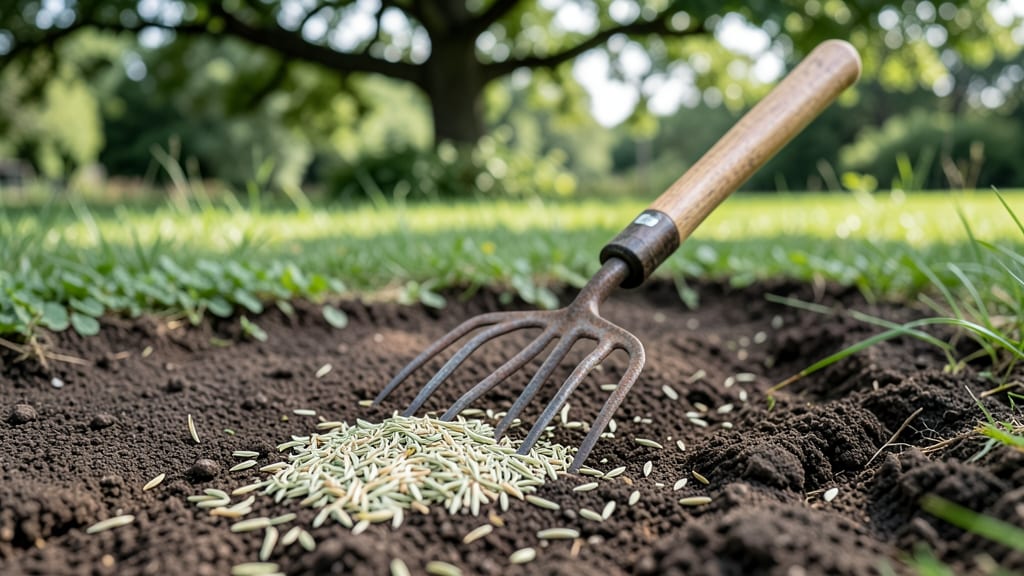
Planting grass seed in spring at the right time means the difference between a thick, green lawn and a thin, patchy mess—soil temperature is the key factor most gardeners miss.
Picture this: you’ve prepped your soil, spread the seed, and watered it down—only to watch it sit there for weeks with no sign of sprouts. That’s what happens when you plant too early in cold climates or too late in warmer ones.
The secret isn’t just the calendar date; it’s the soil temperature.
Cool-season grasses like fescue and Kentucky bluegrass thrive when soil hits 40°F to 50°F, while warm-season types such as Bermuda and Zoysia need 65°F to 75°F.
In USDA Zone 6a, that usually lands in early to mid-spring—but timing shifts dramatically depending on whether you’re north or south of the Mason-Dixon Line.
Below, I’ll break down the exact soil temps to watch for, how to test them, and the best planting windows for your region. You’ll also learn how to avoid the five mistakes that kill germination before it starts.
Ideal soil temperature ranges for planting grass seed in spring
Getting your grass seed timing right in spring depends on one critical factor: soil temperature. Unlike air temperature, soil warmth determines whether seeds germinate quickly or rot in cold, damp conditions. Most gardeners focus on frost dates, but soil temperature thresholds are the real game-changer for successful lawn establishment.
Cool-season grasses like Kentucky bluegrass and fescue thrive when soil reaches 40°F to 50°F, while warm-season varieties such as Bermuda and Zoysia need 65°F to 75°F to sprout reliably.
Planting too early in cold soil can lead to seed dormancy or fungal issues, while waiting too late may give weeds a head start.
To test your soil temperature accurately, use a soil thermometer inserted 2-4 inches deep (where seeds will germinate). Early mornings are best for readings since afternoon sun can skew results.
In Northern climates, aim for 45°F+ before planting cool-season grasses, while Southern gardeners should wait until soil hits 70°F+ for warm-season varieties.
Regional variations matter more than you might think. For example, Pacific Northwest gardeners can plant cool-season grass as early as February, while Midwest lawns often wait until April.
Use your local USDA hardiness zone as a guide, but always verify with soil temperature data rather than calendar dates alone.
Cold soil slows germination and makes seeds vulnerable to soilborne diseases. If your thermometer reads below 40°F for cool-season grass or below 60°F for warm-season types, wait at least 1-2 weeks—patience prevents patchy lawns.
A simple trick is to cover your soil with black plastic mulch for 3-5 days to warm it up faster before planting.
Proper soil temperature also affects root development. Warm soil encourages deeper root growth, making your lawn more drought-resistant. In transitional climates (like Zone 7), you might need to plant cool-season grass in early spring and warm-season grass in late summer to match soil conditions.
Always check 7-day forecasts for stable temperatures before planting.
One common mistake is relying on air temperature instead of soil temperature. A 60°F morning might feel perfect, but if the soil is still 45°F, your seeds will struggle. For accurate timing, test soil temperature at the same time each day for 3-5 days to spot trends.
Early spring is especially tricky because daytime warmth doesn't always translate to soil heat.
If you're in a humid climate, warm soil combined with moisture can create ideal conditions for fungal diseases. In these cases, consider using disease-resistant seed varieties or applying a fungicide preventative at planting.
Always water deeply but infrequently (1-1.5 inches per week) to encourage strong root systems rather than surface growth.
For gardeners in high-altitude areas, soil temperatures can run 5-10°F cooler than at sea level. Adjust your planting timeline accordingly—what works in Denver (Zone 5) may fail in Phoenix (Zone 9) if you don't account for elevation differences.
When in doubt, err on the side of waiting until soil temperatures consistently meet the minimum thresholds for your grass type.
Remember, the goal is consistent germination, not speed. A well-timed planting in 55°F soil will outperform a rushed job in 45°F conditions. Use these soil temperature guidelines as your green light—when the numbers align with your grass type, it's time
How to time your planting by grass type and local climate
Choosing the right time to plant grass seed in spring depends on whether you're growing cool-season or warm-season varieties. Cool-season grasses like Kentucky bluegrass and fescue thrive when soil temperatures hover between 40°F-50°F, while warm-season grasses such as Bermuda and Zoysia need 65°F-75°F soil to germinate properly.
Your local climate zone also plays a crucial role in determining the perfect planting window.
For gardeners in Northern climates (USDA Zones 3-5), early spring planting—typically March to early April—gives cool-season grasses the best chance to establish before summer heat arrives. Meanwhile, Southern gardeners (Zones 7-10) should wait until late April to May to plant warm-season grasses, allowing soil to warm naturally.
Transitional zones (Zones 6-7) offer flexibility but require careful monitoring of soil temperatures.
| Grass Type | Best Planting Months (Northern) | Best Planting Months (Southern) | Soil Temp Requirement |
|---|---|---|---|
| Kentucky Bluegrass | March-April | September-October | 40°F-50°F |
| Fescue | March-May | September-November | 45°F-55°F |
| Bermuda | Late May-June | April-May | 65°F-75°F |
| Zoysia | Late May-June | April-June | 60°F-70°F |
Use a soil thermometer to verify temperatures before planting—this simple tool prevents costly mistakes like planting too early when frost is still a risk. For cool-season grasses, aim to plant 4-6 weeks before your area's average last frost date.
In contrast, warm-season grasses should go in the ground only after three consecutive days of soil temperatures above 65°F.
In transitional climates like Zone 6, you can plant cool-season grasses in early spring and warm-season grasses in late summer (August-September). This two-season approach maximizes your lawn's lushness year-round.
Always check your local USDA Plant Hardiness Zone and historical frost dates for precise timing—extension offices often provide free planting calendars tailored to your region.
After planting, maintain consistent moisture by watering deeply 2-3 times weekly until germination occurs. Cool-season grasses typically sprout in 10-21 days, while warm-season varieties take 14-30 days. Adjust your watering schedule based on rainfall to avoid over-saturating the soil, which can suffocate young seedlings.
By aligning your planting schedule with your grass type and local climate, you'll give your lawn the best possible start. Patience and preparation are key—don't rush the process, and always prioritize soil temperature over calendar dates for the healthiest results. 🌱