
Container Gardens
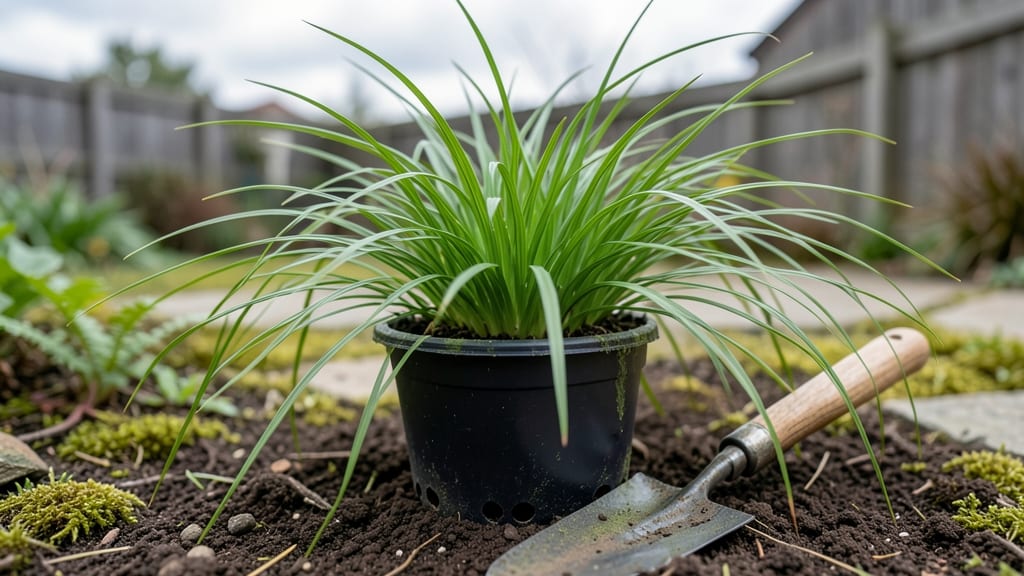
Growing lemongrass in a container turns your balcony into a fragrant tropical oasis. 🌿 The secret lies in mimicking its native conditions—warm soil, consistent moisture, and bright light—without needing a full yard.
My first attempt failed when I planted it in a tiny pot, but I learned fast: lemongrass needs 10+ gallons to thrive and produce those thick, citrusy stalks you crave for cooking.
Start with a 5-7 gallon container (bigger is better) filled with well-draining potting mix mixed with perlite or sand. Lemongrass hates soggy roots, so add a layer of gravel at the bottom if your pot lacks drainage holes.
Place it in full sun (6+ hours daily) and keep the soil moist—never soggy. A mulch layer helps retain moisture while keeping roots cool, which is key for preventing bolting (when it flowers and turns woody).
Within 4 months, you’ll harvest stalks that smell like sunshine in a jar. The plants grow 3-5 feet tall, so trim them back by a third after harvests to encourage bushier growth.
Divide clumps every 12-18 months to prevent root-bound stress, and you’ll have endless fresh lemongrass for teas, soups, and stir-fries—no grocery store needed.
Urban gardeners rejoice: this works on patios, rooftops, or even sunny windowsills. Just watch for pests like aphids (spray with soapy water) and avoid cold drafts—lemongrass bolts faster when stressed. With these tweaks, your container will stay productive for years, turning every harvest into a little victory.
📚 In This Guide
- What you need
- Instructions
- Tips and common mistakes
- Wrapping up and next steps
What you need
- ● Lemongrass stalks: 3–5 healthy, mature stalks (look for firm, green bases with tight leaves—no yellowing!).
- ● Container: A pot at least 12–18 inches deep (lemongrass has long roots!). Choose one with drainage holes (plastic, terracotta, or fabric grow bags work).
- ● Well-draining potting mix: A blend of 60% peat or coconut coir, 30% perlite or coarse sand, and 10% compost (or a pre-mixed tropical houseplant soil).
- ● Drainage layer: Small pebbles, gravel, or broken pottery shards (1–2 inches at the container’s bottom).
- ● Watering can or spray bottle: For gentle hydration (avoid soggy soil!).
- ○ Fertilizer (optional but recommended): Balanced liquid fertilizer (10-10-10 or 20-20-20), diluted to half-strength.
- ● OR slow-release granular fertilizer (like osmocote) mixed into the soil.
- ● Sunlight: 6+ hours of direct sunlight daily (a south- or west-facing spot is ideal).
- ● Temperature: Warmth is key! Keep your container in 70–95°F (21–35°C)—lemongrass hates frost.
- ● Humidity: Aim for 50–70%. A humidity tray (pebbles + water) or misting helps in dry climates.
- ● Mulch (like pine bark) to retain moisture and regulate temperature.
- ● A humidity dome or plastic wrap (temporarily) to boost humidity during rooting.
- ● Compost tea or fish emulsion for a nutrient boost (every 4–6 weeks).
- ● Support stake or trellis (if your lemongrass grows tall and floppy).
Step-by-step instructions for growing lemongrass in containers
Here’s my foolproof method for growing fragrant, harvest-ready lemongrass—no greenhouse or tropical climate required.
🪴 Step 1: Choose the Right Container and Soil Mix
Select a container with drainage holes that’s at least 12 inches deep and 10 inches wide—lemongrass has long, fibrous roots that need room to spread. I use unglazed terra cotta because it breathes and prevents root rot, but plastic works too if you drill extra holes. Fill the bottom 2 inches with coarse perlite or gravel to improve drainage, then add a high-quality potting mix blended with 20% coconut coir for moisture retention.
Lemongrass thrives in well-draining, slightly acidic soil (pH 5.5–6.5). If your mix isn’t pre-amended, stir in a handful of sphagnum peat moss to mimic its native tropical conditions. Tap the pot gently to settle the soil, leaving 1 inch of space at the top for watering. Here’s the thing—lemongrass hates soggy roots, so drainage is non-negotiable.
🌱 Step 2: Plant the Lemongrass Stalk Correctly
Use a 3–4 inch section of lemongrass stalk with 2–3 nodes (the little bumps where leaves grow). Remove the lower leaves, leaving only the top 2 inches of foliage. Dip the cut end in rooting hormone (optional but helpful) and plant it 1–2 inches deep in the soil, ensuring the nodes are buried. I like to plant 3 stalks per 12-inch pot to create a fuller, more productive clump.
Press the soil lightly around the stalk to eliminate air pockets, then water deeply until moisture seeps from the drainage holes. You’ll know it’s right when the soil feels damp but not waterlogged—lemongrass roots need consistent moisture but will rot if drowned. Place the pot in a warm, bright spot (65–85°F) with indirect light for the first week while roots establish.
☀️ Step 3: Provide the Ideal Light and Temperature
Lemongrass craves bright, indirect light—think east or west-facing window or under grow lights for 12–14 hours daily. Direct midday sun can scorch the leaves, so if your space gets intense light, use a sheer curtain to diffuse it. You’ll see leggy growth if it’s not getting enough light—stems will stretch and leaves will pale.
Keep the soil evenly moist (never soggy) by watering when the top 1–2 inches feel dry. I use a moisture meter to check, but stick your finger in the soil—it should feel like a wrung-out sponge. Lemongrass is tropical, so maintain 65–85°F temperatures. If your home dips below 60°F at night, move the pot to a warmer spot or use a heating mat in winter.
✂️ Step 4: Harvest and Prune for Continuous Growth
Wait until your lemongrass reaches 18–24 inches tall before harvesting. Use clean, sharp scissors to cut the stalk 2–3 inches above the soil line, leaving the base intact. This encourages new shoots to sprout from the nodes. You’ll get 3–4 harvests per stalk before it slows down—just let the new growth reach 12 inches before cutting again.
After harvesting, fertilize lightly with a balanced liquid fertilizer (10-10-10) diluted to half strength. I do this every 4–6 weeks in spring and summer to keep the plant vigorous. If the soil looks dry, water deeply before fertilizing—never apply to thirsty plants. Real talk: Over-fertilizing burns roots, so less is more with lemongrass.
🌿 Step 5: Overwinter and Propagate for Next Year
When temperatures drop below 50°F, move your lemongrass indoors near a south-facing window or under grow lights. Reduce watering slightly—lemongrass goes semi-dormant in winter, so let the top 2–3 inches of soil dry out between waterings. If the stalks yellow or die back, don’t panic—new growth will return in spring.
To propagate, divide the clump when it outgrows its pot (usually spring or early summer). Gently remove the plant, separate the stalks at the base, and replant the healthiest sections in fresh soil. Each division should have 2–3 nodes. This ensures you’ll always have fresh lemongrass ready for harvest—no need to buy new plants every year.
Tips & tricks for growing lemongrass in containers
Here's what I learned after nurturing lemongrass through four seasons—these tricks ensure you'll get that signature citrusy aroma without the tropical climate.
Container Selection: While the instructions specify a 12-inch deep pot, I recommend going slightly wider (up to 14 inches) if you plan to harvest multiple stalks simultaneously. The extra space prevents overcrowding as the roots expand, which is especially important when planting 3 stalks per pot as suggested. Terra cotta pots help regulate soil moisture, but if you choose plastic, add an extra inch of perlite at the bottom—this creates a buffer zone that prevents root rot from waterlogging.
Rooting Hormone Alternative: If you don't have rooting hormone, try this trick: crush a few aspirin tablets into powder and mix with water to make a solution. Dip your cut lemongrass stalk in this for 10 minutes before planting. The salicylic acid helps stimulate root growth, just like commercial rooting hormones. I've had perfect success with this method, especially when planting in cooler conditions (around 65°F).
Light Management: The 12–14 hours of daily light requirement can be tricky in winter months. If natural light drops below 10 hours, supplement with a simple LED grow light placed 6–12 inches above the plant. I use a timer for 4 hours in the morning and 4 hours in the evening to maintain that tropical light cycle. Watch for leaf yellowing—this is your plant's way of saying "more light, please!"
Watering Wisdom: That "wrung-out sponge" test is spot-on, but here's my pro tip: water in the morning so excess moisture evaporates during the day. In summer, I water every 2–3 days, while winter watering drops to every 5–7 days. The key is consistency—lemongrass roots need that steady moisture but can't handle soggy conditions. I've seen root rot develop within days when people overwater during cooler months, so less is more during winter dormancy.
Pro Tips for Grow Lemongrass In A Container
- Here's what I learned after nurturing lemongrass through four seasons—these tricks ensure you'll get that signature citrusy aroma without the tropical climate.
- Container Selection: While the instructions specify a 12-inch deep pot, I recommend going slightly wider (up to 14 inches) if you plan to harvest multiple stalks simultaneously.
- Rooting Hormone Alternative: If you don't have rooting hormone, try this trick: crush a few aspirin tablets into powder and mix with water to make a solution.
Frequently asked questions
How deep should my container be for lemongrass?
Lemongrass has long roots, so aim for a container at least 12–18 inches deep. Shallow pots (under 10 inches) may stunt growth or cause the plant to tip over. If repurposing a container, ensure drainage holes are present to prevent root rot.
How long does it take for lemongrass to grow in a pot?
With proper care, you can harvest useful stalks in 3–4 months. However, full maturity (when stems are thick and aromatic) typically takes 6–12 months. Patience pays off—young leaves are edible too, just milder in flavor!
Can I grow lemongrass in a container indoors?
Yes, but it needs bright, indirect light (6+ hours daily). Place near a south- or west-facing window or supplement with a grow light. Keep temps between 70–85°F—lemongrass is tropical and sensitive to cold drafts or AC vents.
Why is my lemongrass turning yellow or dying?
Yellowing leaves often signal overwatering, poor drainage, or root rot. Let the top 1–2 inches of soil dry out between waterings. If the base smells sour, trim dead leaves and repot in fresh, well-draining soil. Pro tip: Avoid soggy soil—lemongrass prefers moisture but hates "wet feet."
What can I plant with lemongrass in a container?
Lemongrass thrives with companion plants that love similar conditions:
- Herbs: Basil, mint, or cilantro (keep mint contained—it spreads!).
- Veggies: Thai eggplant or okra (both tolerate heat).
- Avoid: Heavy feeders like tomatoes (they’ll compete for nutrients).
Use a 12-inch pot or larger for companions to avoid overcrowding.
Wrapping up and next steps
Growing lemongrass in a container is a rewarding way to bring a touch of the tropics to your balcony or patio—no green thumb required! 🌿 With the right pot, sunlight, and care, you’ll harvest fragrant stalks in just four months, perfect for teas, cooking, or even DIY remedies.
Start small, stay consistent, and soon you’ll be savoring homegrown flavor with every sip or dish.
Ready to dive in? Grab your container, pick a sunny spot, and plant that lemongrass today! 🌱 For extra inspiration, check out our guide to container gardening hacks to maximize your space and yields.