
Lawn
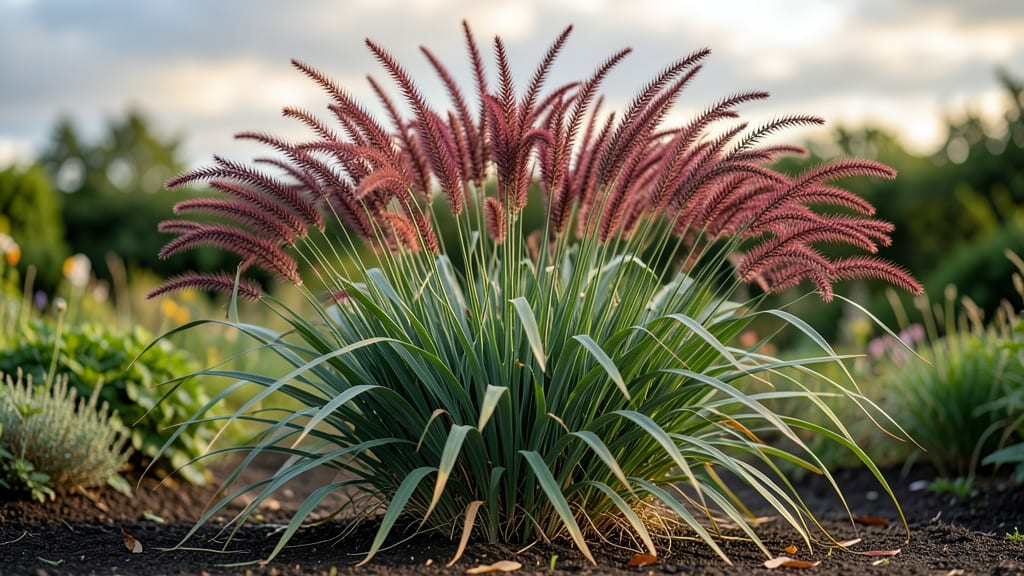
Your yard deserves thick, lush grass-like plants that stay green through winter freezes and summer droughts. 🌿 I’ve spent years testing cold-hardy varieties—from sedges to ornamental grasses—that outperform traditional lawns while requiring less water and mowing.
These aren’t just pretty; they’re tough, versatile, and transform any space into a low-maintenance masterpiece. The best part? Many thrive in partial shade, handle heavy foot traffic, and even deter weeds naturally.
My top picks include Carex sedges (for soft, carpet-like texture) and Fountain Grass (for dramatic plumes that sway in the breeze). They’re perfect for borders, slopes, or replacing tired turf—no more brown patches or endless maintenance.
By late spring, you’ll see dense growth that crowds out weeds and stays vibrant all season. The secret lies in moist but well-drained soil and occasional trimming to encourage fullness. These plants repay your effort with year-round color and texture that traditional grass can’t match.
Works for zones 3-9, from city patios to rural landscapes. Ready to trade mowing for admiring your resilient green oasis? Let’s dive into the varieties that’ll make your neighbors green with envy.
The Roots of Overgrowth
If you’ve ever stared at a patch of your yard and wondered, "Why is this grass-like plant growing so thick and wild?"—you’re not alone.
Thick, dense growth in grass-like plants (like ornamental grasses, sedges, or even invasive species) is usually a sign that nature is thriving—but not always in the way you’d prefer. Below, we break down the key reasons behind this lush, sometimes unruly, growth and how to understand (or even harness) it.
Grass-like plants love water, but too much of it can trigger rapid, thick growth—especially in species like Carex (sedges) or Cortaderia selloana (pampas grass). When soil stays soggy, roots struggle to breathe, prompting the plant to focus on above-ground expansion to maximize photosynthesis. This often results in:
- Thicker clumps—Plants spread horizontally to escape waterlogged roots.
- Weaker stems—Excess moisture can cause stems to flop or lean, creating a "messy" look.
- Fungal risks—Damp conditions invite diseases like Rhizoctonia, which can kill off weaker stems, leaving dense but patchy growth.
Actionable fix: Improve drainage by amending soil with sand or compost, or plant in raised beds. For water-loving varieties (like Miscanthus), ensure they’re in well-drained but consistently moist spots—not puddles.
Grass-like plants are adaptable, but extreme light conditions can push them into overdrive. Here’s how:
- Full sun (6+ hours/day): Species like Stipa tenuissima (Mexican feather grass) grow taller and denser to compete for sunlight, sometimes leaning or flopping.
- Deep shade (under trees): Plants like Carex oshimensis (Japanese sedge) may grow thicker but slower, stretching leaves to reach light, creating a "busy" look.
Actionable fix:
- For sun-lovers: Prune in early spring to encourage bushier growth.
- For shade-tolerant types: Thin out competing plants (like weeds) to reduce competition for light.
Grass-like plants don’t need much fertilizer, but too many nutrients (especially nitrogen) can trigger explosive growth—often at the expense of structural strength. Over-fertilized Pennisetum (fountain grass) or Andropogon (bluestem) may produce:
- Weak, floppy stems—Prioritizing leafy growth over sturdy support.
- Yellowing or browning tips—A sign of nutrient burn.
- Increased pest attraction—Soft, fast-growing tissue is a buffet for aphids and mites.
Actionable fix: Use a low-nitrogen, balanced fertilizer (like 5-10-10) or skip it entirely for ornamental grasses. Mulch with compost instead to feed roots gradually.
Some grass-like plants are built to dominate. Species like Hordeum jubatum (foxtail barley) or Elymus canadensis (Canada wild rye) spread via rhizomes or seed dispersal, creating thick, naturalized carpets. If you’re seeing sudden patches, it’s likely because:
- Rhizomatous roots (e.g., Carex sedges) creep underground, forming new shoots.
- Seed dispersal (e.g., Phalaris arundinacea—reed canary grass) spreads via wind or wildlife.
- Empty space—Plants fill gaps aggressively if competitors (like weeds) are removed.
Actionable fix:
- For containment: Dig up rhizomes early (spring/fall) before they spread.
- For desired spread: Let it naturalize in one area and edge with rocks or pavers to control borders.
Cold-hardy grass-like plants (like Festuca glauca—blue fescue) may grow thicker in response to stress, such as:
- Sudden temperature swings—Plants bulk up to insulate roots during winter.
- Drought followed by rain—A "growth spurt" after dry spells can make plants look overly dense.
- Early spring warmth—Stimulates rapid leaf production before roots are ready.
Actionable fix:
- In dry climates: Water deeply but infrequently to encourage deep roots.
- In cold zones: Apply mulch in late fall to protect roots and reduce stress.
How to Manage Overgrowth Naturally
When thick grass-like plants take over your lawn, the solution doesn’t always require harsh chemicals or heavy machinery. Instead, focus on targeted, eco-friendly methods that restore balance while keeping your yard lush and healthy.
Below, we’ve mapped out practical fixes based on common causes—plus prevention tips to keep your lawn thriving long-term.
Fix it with: ✅ Adjust Your Mowing Height & Frequency
- 🔪 Raise the blade: Set your mower to the highest setting (usually 3–4 inches for cool-season grasses). Taller grass shades soil, reducing weeds and retaining moisture.
- 🍃 Mow less often: Wait until grass reaches ⅓ of its mature height before cutting. Frequent short cuts stress the plant, encouraging thin, weak growth.
- 🔄 Change mowing patterns: Alternate directions weekly to prevent soil compaction and promote even growth.
Prevention Tip: > 💡 Pro Tip: Invest in a mulching mower—it chops clippings into fine pieces, returning nutrients to the soil instead of leaving piles that smother grass.
Fix it with: ✅ Dial in Your Watering Routine
- 💦 Deep but infrequent watering: Water 1–1.5 inches per week (including rain), split into 2–3 sessions. Early morning (4–8 AM) is ideal to reduce evaporation.
- 🌡️ Check soil moisture: Stick a screwdriver into the ground—if it goes in easily (6 inches deep), hold off watering. If it’s dry at 2 inches, it’s time.
- 🚫 Avoid soggy soil: Overwatering suffocates roots and invites fungus. Ensure your yard has proper drainage (test by digging a small hole and filling it with water—if it drains in <1 hour, you’re good).
Prevention Tip: > ✨ Smart Upgrade: Install a soil moisture sensor or smart sprinkler timer to automate watering based on real-time conditions.
Fix it with: ✅ Manual & Selective Removal
- 👨🍳 Hand-pull weeds early: Target weeds when soil is moist (after rain or watering) for easier extraction. Use a weed puller or digging fork for stubborn roots.
- 🔥 Spot-treat with vinegar: Mix 1 gallon white vinegar + 1 cup dish soap + 1 cup salt in a spray bottle. Apply only to weeds (not grass) on a sunny day—it burns leaves without harming roots long-term.
- 🌱 Improve grass density: Thick, healthy grass crowds out weeds. Overseed bare spots in early fall with a cold-hardy variety (like Kentucky Bluegrass or Fescue).
Prevention Tip: > 🎯 Feed Your Lawn: Apply a slow-release nitrogen fertilizer in early spring and fall to strengthen grass roots, making it less hospitable to weeds.
Fix it with: ✅ Natural Pest & Disease Control
- 🐜 Identify the culprit: Common offenders include grubs, chinch bugs, or fungal diseases (like brown patch). Check for chewed blades, yellowing patches, or spongy soil.
- 🌿 Use organic treatments:
- For grubs: Apply beneficial nematodes (microscopic worms) or neem oil in early summer.
- For fungus: Sprinkle baking soda (1 tbsp/gallon of water) or use copper fungicide (follow label rates).
- 🌱 Aerate compacted soil: Rent a core aerator to pull small soil plugs, improving airflow and root growth.
Prevention Tip: > 💪 Boost Grass Resilience: Aerate once a year (fall is best) and top-dress with compost to fortify soil health.
Fix it with: ✅ Seasonal Adjustments for Cold-Hardy Grasses
- 🍂 Fall prep: Overseed in early fall (when soil is 60–70°F) and apply a winterizer fertilizer to strengthen roots before frost.
- ❄️ Winter care: Avoid walking on frozen lawns—snow mold thrives in compacted, icy conditions. Brush off heavy snow to prevent smothering.
- ☀️ Summer recovery: If grass turns dormant in heat, reduce foot traffic and mow high to protect roots. Water deeply 2–3x/week instead of daily shallow watering.
Prevention Tip: > 🌡️ Choose the Right Grass: Plant cold-hardy varieties like Tall Fescue or Perennial Ryegrass—they handle frost and heat better than warm-season grasses in transitional climates.
Final Reminder: Thick, grass-like overgrowth is rarely a lost cause—it’s a sign your lawn needs attention. By addressing the root cause (literally!) and adjusting your care routine, you’ll transform patchy, weedy yards into year-round green beauty with minimal effort.
Start with one fix at a time, monitor progress, and soon, your lawn will be the envy of the neighborhood! 🌿✨
Frequently asked questions
What are the best cold-hardy grass-like plants for shady areas?
For partial shade, try Carex oshimensis (Japanese sedge) or Hosta varieties—they thrive with 3–6 hours of filtered light and stay lush even in cooler climates. These plants handle zones 3–9 and require minimal maintenance, making them perfect for under trees or north-facing yards.
How do I stop grass-like plants from spreading aggressively?
For rhizomatous spreaders like Carex or Phalaris, dig up roots in spring or fall before they establish. Use edging barriers (like metal or plastic) to contain clumping types, and avoid overwatering—dry soil slows aggressive growth. For seed spreaders, collect seed heads before they release.
Can I use grass-like plants as a low-maintenance lawn alternative?
Ornamental grasses like Fescue or Blue Grama create dense, drought-tolerant ground cover that needs no mowing. They handle foot traffic better than traditional grass and stay green through droughts and light freezes. Just water deeply but infrequently to establish roots.
Why does my grass-like plant turn brown in winter?
Most cold-hardy varieties (like Festuca glauca) go dormant in winter—brown isn’t dead! Water sparingly during dry spells, and avoid heavy foot traffic. In early spring, trim back dead foliage to encourage fresh growth. If it stays brown past late April, check for fungus or compacted soil.
What’s the difference between sedges and ornamental grasses?
Sedges (Carex) have triangular stems and grow in clumps, while ornamental grasses (like Miscanthus) have round stems and often spread via rhizomes. Sedges handle wet soil better, while grasses add height and texture. Choose sedges for borders and grasses for dramatic vertical interest.