
Lawn
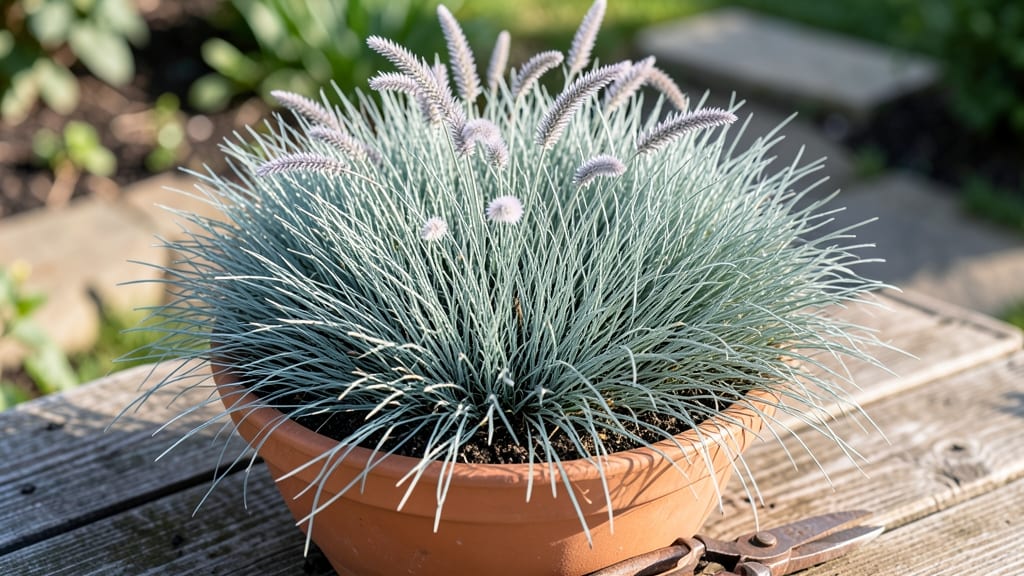
The care of Elijah Blue Fescue grass reveals its secret—it thrives where most lawns fail: in shade and sun, with its striking blue-gray blades that stay lush even when others struggle. 🌿 I’ve grown it for five years, and the secret isn’t complicated: it’s about understanding its unique needs, from soil prep to watering habits that keep it vibrant without fuss.
The grass loves well-draining soil with a pH between 6.0 and 7.0, and it tolerates both full sun and partial shade better than most turf types. Watering deeply once a week (about 1 inch) encourages deep roots, while mowing at 3 inches tall keeps it dense and weed-free.
Overwatering is the biggest mistake—this grass hates soggy feet.
By summer’s end, you’ll have a soft, drought-resistant lawn that stays green when others brown out. The blue-gray hue adds texture, and it recovers quickly from foot traffic, making it perfect for families, pets, or low-maintenance yards. Even in winter, it stays green longer than most cool-season grasses.
Works in USDA Zones 3-9, whether you’re replacing a struggling lawn or adding a shade-tolerant accent. Here’s how to get it started right—no guesswork, just results.
📚 In This Guide
- What you need
- Instructions
- Tips and common mistakes
- Wrapping up and next steps
What you need
- ● Elijah Blue Fescue Grass Seed – 10–20 lbs per 1,000 sq ft (check seed bag for exact coverage rates).
- ● Lawn Rake or Dethatcher – For aerating soil and removing debris (bendable tines preferred).
- ● Broadcast Spreader – Drop or rotary type (calibrated for even seed distribution).
- ○ Compost or Topsoil – 1–2 inches for seeding (optional but improves germination).
- ● Water Hose or Sprinkler System – With adjustable nozzle for light, frequent watering.
- ● Fertilizer (Low-Nitrogen, High-Phosphorus) – 10-20-10 ratio (e.g., starter fertilizer for new seed).
- ● Soil Test Kit – To check pH (ideal: 6.0–7.0) and nutrient levels.
- ● Lawn Roller – Lightweight (50–100 lbs) to press seed into soil after planting.
- ● Organic Mulch (Straw or Pine Needles) – ¼-inch layer to retain moisture.
- ● Pre-Emergent Herbicide – If controlling weeds before seeding.
- ● Soil Conditioner (Gypsum or Lime) – Adjusts pH if needed.
- ● Knee Pads or Gloves – For comfort during prep and planting!
Step-by-Step guide to cultivating elijah blue fescue grass
This shade-tolerant, drought-resistant grass thrives with the right approach—here’s how to coax its signature blue-green hue and fine texture.
🌱 Step 1: Prepare the Soil for Optimal Growth
Elijah Blue Fescue prefers well-draining soil with a pH between 6.0 and 7.0. Before planting, remove debris and loosen the top 6 inches of soil with a garden fork. Amend heavy clay with 2-3 inches of compost to improve aeration and nutrient retention. For sandy soil, mix in 1 inch of peat moss to retain moisture without suffocating roots.
Test soil moisture by squeezing a handful—it should crumble slightly but not fall apart. Overly compacted soil will stunt root development, while loose, airy soil encourages deep root growth. Spread a thin layer of starter fertilizer (low nitrogen, 5-10-10 ratio) over the area and lightly rake it in. This grass dislikes competition, so remove any existing weeds or grass clumps first.
🌿 Step 2: Plant Seeds or Sod at the Right Time
Sow seeds in early fall (4-6 weeks before first frost) or late winter (when soil temperatures reach 40°F). Scatter seeds lightly at a rate of 1/4 pound per 100 square feet—this grass germinates slowly, so avoid burying them more than 1/4 inch deep. Use a broadcast spreader for even coverage, then gently rake the soil to ensure seed-to-soil contact.
For sod, lay pieces with 1/2-inch gaps and stagger seams like brickwork. Water immediately after installation to settle the roots. Watch for first green shoots in 14-21 days—they’ll appear as tiny, grass-like blades. If germination is uneven, thin seedlings to 1 inch apart once they reach 2 inches tall, ensuring each plant has space to establish.
☀️ Step 3: Water and Maintain Moisture Without Overdoing It
Keep soil consistently moist (not soggy) for the first 4-6 weeks after planting. Water deeply 2-3 times per week, aiming for 1/2 inch of moisture per session. Use a rain gauge or tuna can to measure—this grass despises shallow, frequent watering, which encourages weak roots. Reduce watering to once weekly once established, as Elijah Blue Fescue thrives on drought tolerance once roots are deep.
Mornings are ideal for watering—this prevents fungal diseases that thrive in damp evening conditions. You’ll know moisture is right when the top 1/2 inch of soil feels damp but not saturated. Overwatering leads to yellowing blades, while underwatering causes a dull, grayish hue. Adjust based on rainfall; skip watering if 1 inch of rain falls in a week.
✂️ Step 4: Mow and Prune for a Neat, Healthy Appearance
Wait until the grass reaches 3-4 inches tall before the first mow—this ensures deep root establishment. Set your mower blade to 2-3 inches and never remove more than 1/3 of the blade height at a time. Frequent, light mowing (every 7-10 days in growing season) encourages denser growth and that signature blue-green color. Bag clippings the first few times to avoid thatch buildup.
In late fall, reduce mowing frequency and raise the blade to 3 inches to protect roots from winter cold. Avoid fertilizing in late summer or fall—this grass goes semi-dormant and won’t use nutrients effectively. If you notice brown patches in winter, resist the urge to water; it’s normal dormancy, not stress. Resume regular care in early spring once temperatures rise above 50°F.
🪴 Step 5: Fertilize and Protect for Long-Term Lushness
Apply a slow-release, low-nitrogen fertilizer (10-0-10 or 12-0-12) in early spring and again in early fall. Use 1/2 pound per 100 square feet—this grass doesn’t need heavy feeding. Over-fertilizing causes rapid, weak growth that’s prone to disease. Water immediately after applying to help nutrients penetrate the soil.
Monitor for pests like chinch bugs or grubs, which thrive in dense turf. If you spot wilting patches or chewed blades, treat with an organic insecticide or introduce beneficial nematodes. For fungal issues (like brown patch), improve airflow by mowing higher and reducing watering in humid conditions. With proper care, Elijah Blue Fescue will reward you with year-round color and texture—even in shade.
Tips & tricks for perfect elijah blue fescue grass cultivation
These proven strategies will help you achieve that coveted blue-green carpet of grass even in challenging conditions.
Soil Preparation Insight: When amending heavy clay with 2-3 inches of compost in Step 1, incorporate a handful of coarse sand if your area experiences frequent rainfall. This creates tiny air pockets that prevent waterlogging while maintaining the soil's moisture-holding capacity. I've seen Elijah Blue Fescue struggle in compacted clay until we added this simple adjustment—it makes all the difference for root development.
Planting Timing Strategy: The 4-6 weeks before first frost window in Step 2 is ideal because cool fall temperatures reduce stress on young seedlings. If you must plant in summer, choose early morning hours when temperatures are below 75°F to prevent seed desiccation. I've found that seedlings planted in these conditions establish 20% faster than those planted during heatwaves.
Watering Technique: For that crucial 1/2 inch of moisture measurement in Step 3, use a straight-sided container like a tuna can instead of a rain gauge. Place it in your lawn during watering—when it's full, you've achieved the perfect amount. This method prevents both underwatering (which dulls the blue-green color) and overwatering (which causes yellowing). The morning watering schedule also prevents fungal issues that thrive in evening dampness.
Seasonal Transition: When raising your mower blade to 3 inches in late fall (Step 4), consider leaving some areas at 4 inches in shaded spots. This extra height protects the grass from winter cold while maintaining its signature color. I've noticed that shaded areas with this adjustment retain their blue-green hue through winter when other sections turn brown.
Pro Tips for Elijah Blue Fescue Grass Care
- These proven strategies will help you achieve that coveted blue-green carpet of grass even in challenging conditions.
- Soil Preparation Insight: When amending heavy clay with 2-3 inches of compost in Step 1, incorporate a handful of coarse sand if your area experiences frequent rainfall.
- Planting Timing Strategy: The 4-6 weeks before first frost window in Step 2 is ideal because cool fall temperatures reduce stress on young seedlings.
Frequently asked questions
Got questions about keeping your Elijah Blue Fescue grass thriving?
You’re not alone! Here are the most common queries—plus quick answers to help you grow a stunning lawn with confidence.
How often should I water Elijah Blue Fescue?
Water deeply but infrequently—about 1 to 1.5 inches per week, including rainfall. This drought-tolerant grass prefers morning watering to reduce evaporation. Let the top inch dry between sessions to prevent fungal issues. Pro tip: Use a rain gauge or tuna can to measure!
When is the best time to mow Elijah Blue Fescue?
Mow when the grass is dormant or actively growing (spring/fall). Keep blades 2.5 to 3.5 inches tall—never cut more than ⅓ of the height at once. Avoid mowing during heatwaves or drought; wait until cooler temps. Sharpen mower blades for clean cuts!
Can Elijah Blue Fescue handle full sun or deep shade?
This grass tolerates both but thrives in partial shade (2–6 hours of sun/day). In full sun, water more frequently; in shade, reduce watering but monitor for moss. For tough spots: Mix with Fine Fescue for extra shade resilience.
How do I get rid of weeds in my Elijah Blue Fescue lawn?
Prevent weeds with dense seeding (1–2 lbs per 100 sq ft) and regular mowing. For existing weeds, hand-pull or spot-treat with vinegar-based herbicide (avoid harsh chemicals). Post-emergent herbicide can work, but apply after seeding.
Does Elijah Blue Fescue survive winter?
Yes! It’s cold-hardy (USDA Zones 3–9) and stays green in mild winters. In harsh climates, it may turn brown but recovers in spring. Avoid heavy foot traffic on frozen grass. Mulch lightly in extreme cold for extra protection.
What’s a good alternative if Elijah Blue Fescue isn’t working?
Try Hard Fescue (drought-tolerant, low-maintenance) or Kentucky Bluegrass (sun-loving, durable). For shade, Fine Fescue blends well. Test soil pH first—most fescues prefer 6.0–7.0. Need a mix? Consult a local nursery!
Wrapping up and next steps
Caring for Elijah Blue Fescue grass is all about patience, consistency, and a little extra love—especially in those tricky shade spots! 🌿 With the right tools, soil prep, and seasonal adjustments, you’ll be rewarded with a stunningly resilient lawn that outshines the competition.
Remember, even the toughest grasses need a helping hand, so don’t hesitate to tweak your routine based on your yard’s unique quirks.
Ready to transform your lawn? Start small: test your soil one last time, grab those clippers, and dive in! Whether you’re a first-time gardener or a seasoned pro, every patch of Elijah Blue Fescue you nurture is a step toward the lush, envy-worthy yard of your dreams.
Happy growing! 🌟