
Pruning
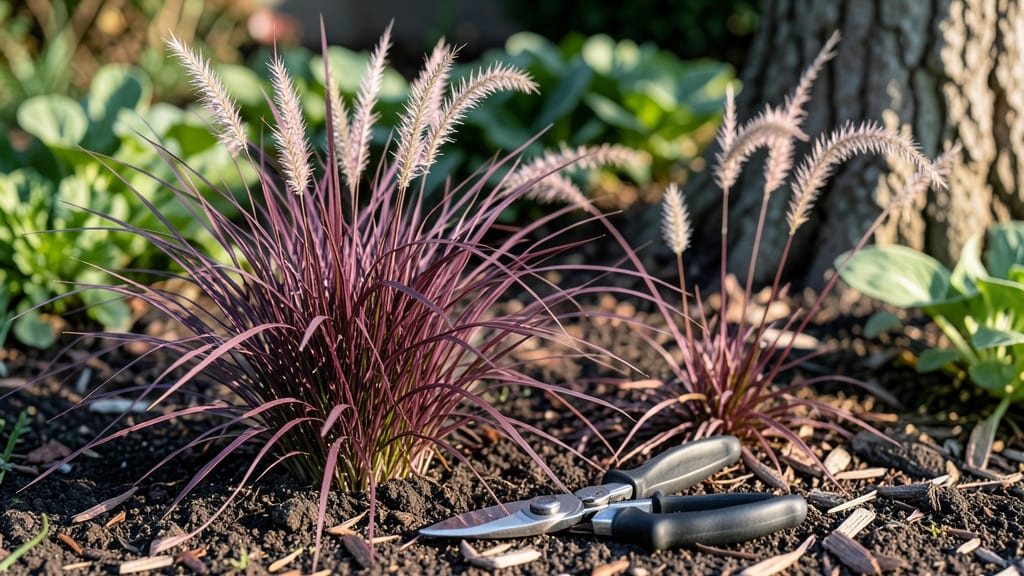
Cutting back purple fountain grass transforms it from a wild tangle to a showstopping year-round feature. ✂️ I’ve learned that timing and technique make all the difference—skip the late-winter trim, and you’ll miss the plant’s freshest regrowth.
The key is patience: wait until the grass turns brown and crispy (usually late winter to early spring), then cut it back to 6 inches tall for a clean, uniform look.
You’ll need sharp pruners or a string trimmer for clean cuts, plus gloves to protect your hands from the sharp edges. The goal isn’t to trim all the way to the ground—leaving a few inches of old growth protects the crown from frost and pests.
Over-trimming here is a common mistake, but I’ve found that 3-4 inches of stubble keeps the plant happy without sacrificing that signature fountain shape.
After cutting, watch as new growth emerges in 2-4 weeks, shooting up with vibrant green blades that’ll turn purple as they mature. The plant rewards precision: too early, and you’ll stunt growth; too late, and it loses its structured form.
For year-round shape, give it a light tidy-up in fall too—just enough to remove any seed heads or ragged edges.
This method works for any climate, though southern gardeners might trim slightly later (March) to avoid early spring freezes. The secret? Consistency. Stick to this routine, and your purple fountain grass will stay lush, full, and neighborhood-approved all season long.
📚 In This Guide
- What you need
- Instructions
- Tips and common mistakes
- Wrapping up and next steps
What you need
- ● Sharp pruning shears or hedge clippers – Choose bypass-style shears (not anvil) for clean cuts. 8- to 10-inch blades work best for thick clumps.
- ○ Heavy-duty pruning saw – For stubborn, woody stems (optional but helpful if your grass has thick growth). Look for a serrated blade, 10-12 inches long.
- ● Garden gloves – Heavy-duty, cut-resistant (like mechanix or workman’s friend) to protect your hands from sharp blades and thorns.
- ○ Loppers – 18- to 24-inch bypass loppers for thicker stems (optional but useful for larger clumps).
- ● Wheelbarrow or garden cart – To haul away clippings. A 3-cubic-foot capacity should suffice for small to medium-sized yards.
- ○ Pruning sealant – Optional for sealing cuts if your grass shows signs of disease (like copper-based fungicide or pruning wax).
- ● Knee pads or stool – For comfort, especially if you’re working with tall or dense grass.
- ● Disinfectant spray – 70% isopropyl alcohol to clean tools between cuts and prevent spreading disease.
- ○ String trimmer or edger – For neatening edges around pathways or borders (optional but great for precision).
- ● Check the weather – Prune on a dry, calm day (avoid rain or high humidity to prevent fungal issues).
- ● Wear long sleeves and pants – Purple fountain grass can be spiky when dry!
- ● Mark your cutting line – Use spray paint or stakes to outline where you’ll trim if shaping to a specific design.
Instructions for cutting back purple fountain grass
Here's the precise method I use to revive this ornamental grass—timing and technique make all the difference.
✂️ Step 1: Time Your First Cut for Late Winter
Wait until mid-to-late February when nighttime temperatures consistently stay above 32°F—this ensures the grass isn't dormant. You'll see new green shoots emerging at the base, signaling it's ready. Cut back ⅓ of the plant height at a 45-degree angle using sharp bypass pruners or a clean hedge trimmer.
Real talk: If you cut too early, you'll remove last year's winter interest. If you wait too long, the grass may flop or develop seed heads before you can shape it properly. I like to do this on a dry, sunny morning—the grass stands upright after cutting, making the job easier.
✂️ Step 2: Make Clean Cuts at the Right Height
After the first cut, wait 4-6 weeks until you see new growth before making the next cut. This time, trim back to 6-8 inches tall, again at a 45-degree angle. The goal is to maintain the fountain shape while encouraging dense regrowth. Never cut into old, woody stems—you'll see these as brown, dry centers that won't regenerate.
Here's the thing—purple fountain grass grows in clumps, not a single stem. Cutting too low (below 6 inches) risks damaging the crown, which won't bounce back. I use a string level to ensure even cuts across the entire plant—uneven trims create a lopsided look.
✂️ Step 3: Summer Maintenance for Shape and Health
During June and July, when growth is most vigorous, trim back one-third of the new growth every 4-6 weeks. Focus on shaping the fountain form by cutting the outer edges first. You'll notice the grass grows faster in full sun—if it's leggy, it needs more light or less nitrogen fertilizer.
Remove any dead or discolored foliage immediately—this prevents fungal issues. I like to use sterilized pruners (wipe with rubbing alcohol between cuts) to avoid spreading disease. If you see yellowing leaves, that's a sign of overwatering or poor drainage.
✂️ Step 4: Final Cut and Winter Prep
In early October, give the grass one last trim to 12-18 inches tall. This helps it harden off before winter. Leave the dry, seed heads on some stems for winter interest—birds love them! If you're in a Zone 5 or colder, consider mulching the base with 2-3 inches of shredded bark to protect the crown from freezing.
Don't skip this final cut—it keeps the grass compact and prevents it from flopping under snow. I always water deeply after trimming to help the roots establish before dormancy. By spring, you'll have a full, vibrant fountain ready to burst back into color.
✂️ Step 5: Spring Revival and Fertilization
In early April, if the grass looks tired, trim back dead growth but leave green shoots untouched. Apply a balanced, slow-release fertilizer (10-10-10) at ½ the recommended rate—too much nitrogen makes it grow too fast and flop. You'll see new purple hues return within 3-4 weeks of proper care.
This is the moment that matters: If you've been consistent with cuts, your purple fountain grass will recover quickly and maintain its signature shape. If it's struggling, check for pests (like spider mites) or root rot—both can stunt growth. A sharp eye and steady hand keep this grass looking effortlessly elegant all year.
Tips & tricks for perfect purple fountain grass maintenance
Timing and precision are everything when it comes to keeping your purple fountain grass looking its best—here's how to avoid common pitfalls and elevate your results.
Seasonal Timing is Everything: The 32°F nighttime temperature threshold in Step 1 is non-negotiable—this ensures the grass is actively growing but not yet dormant. I've learned the hard way that cutting too early removes last year's winter interest, while waiting too long leads to floppy growth. Mark your calendar for mid-to-late February and check for those telltale green shoots at the base before making your first cut. This timing also prevents the grass from developing unsightly seed heads before you can shape it properly.
Precision Cutting Technique: That 45-degree angle mentioned in Steps 1-4 isn't just for looks—it creates a clean cut that heals properly and encourages new growth. I use a string level to ensure even cuts across the entire plant, especially when trimming back to 6-8 inches in Step 2. For a truly professional finish, make your cuts just above a leaf node (the small bump where leaves attach) rather than blindly measuring height. This encourages bushier regrowth and maintains that signature fountain shape.
Summer Maintenance Secrets: During the June-July growing peak in Step 3, I've found that focusing on the outer edges first creates a more natural fountain shape. The key is to trim back one-third of new growth every 4-6 weeks—this prevents the grass from becoming leggy while still allowing it to photosynthesize enough to fuel regrowth. If you notice yellowing leaves, it's almost always a sign of overwatering or poor drainage, not underwatering. Purple fountain grass is surprisingly drought-tolerant once established.
Winter Protection Strategy: That final early October trim to 12-18 inches in Step 4 is your insurance policy against winter damage. For colder climates (Zone 5 or below), the 2-3 inches of shredded bark mulch creates a microclimate that protects the crown from freezing. I've seen grass that wasn't properly hardened off flop dramatically under snow—this simple step prevents that. The mulch also helps retain moisture during winter months when evaporation is minimal.
Pro Tips for Cutting Back Purple Fountain Grass
- Timing and precision are everything when it comes to keeping your purple fountain grass looking its best—here's how to avoid common pitfalls and elevate your results.
- Seasonal Timing is Everything: The 32°F nighttime temperature threshold in Step 1 is non-negotiable—this ensures the grass is actively growing but not yet dormant.
- Precision Cutting Technique: That 45-degree angle mentioned in Steps 1-4 isn't just for looks—it creates a clean cut that heals properly and encourages new growth.
Frequently asked questions
Got questions about trimming your Pennisetum purpureum "Purple Fountain Grass"? Here are answers to the most common concerns—so you can keep your ornamental grass looking sharp without the guesswork!
When is the best time to cut back Purple Fountain Grass?
The ideal time is late winter or early spring (just before new growth starts). This ensures you remove dead foliage while leaving room for fresh, vibrant stems. Avoid cutting in fall—you risk pruning off next year’s growth before it emerges!
Should I cut it all the way to the ground?
Yes! Trim all the way down to the base (about 2–3 inches above the soil) to encourage a neat, bushy regrowth. This also prevents pests and disease by removing old, decaying material. Just avoid scalping—leave a tiny bit of stubble to protect the crown.
What if my grass looks messy in winter? Can I trim it then?
Winter trimming is not recommended—cutting back too early can expose the plant to cold damage. If you must tidy it up, wait until after the first hard frost (when the grass is dormant). Otherwise, let the dried stems stand for winter interest and texture!
Are there alternatives if I don’t want to cut it back every year?
If maintenance feels like too much, consider low-maintenance alternatives like Miscanthus ‘Malepartus’ (evergreen) or Carex ‘Ice Dance’ (ornamental sedge). These still add movement and color but require minimal pruning. Or, group Purple Fountain Grass with other grasses—like Panicum—to create a natural, layered look that hides imperfections.
Why does my grass look yellow or brown after cutting?
Yellowing or browning can happen if you prune too late in spring (after new growth starts) or if the grass is underwatered. Ensure it’s in well-draining soil and water deeply after trimming. If the issue persists, check for fungal issues (like rust) or pests—neem oil spray can help if needed.
Pro Tip:
Use sharp, clean pruners or a string trimmer for a crisp cut—dull blades tear the stems, leading to ragged regrowth. And if your grass is very large, consider a hedge trimmer for faster, even results!
Wrapping up and next steps
Cutting back your purple fountain grass doesn’t have to be intimidating—it’s all about timing, technique, and a little elbow grease! 🌿 With the right tools and a sharp eye, you’ll keep your grass lush, healthy, and ready to thrive year-round.
Whether you’re a seasoned gardener or just starting out, every trim brings you closer to that polished, professional look.
Now that you’re armed with the know-how, grab those shears and get pruning! 🌱 Start with a small section to build confidence, then tackle the rest of your garden with ease.
Before you know it, your purple fountain grass will be the star of your outdoor space—and you’ll be the proud gardener who made it happen.