
Lawn
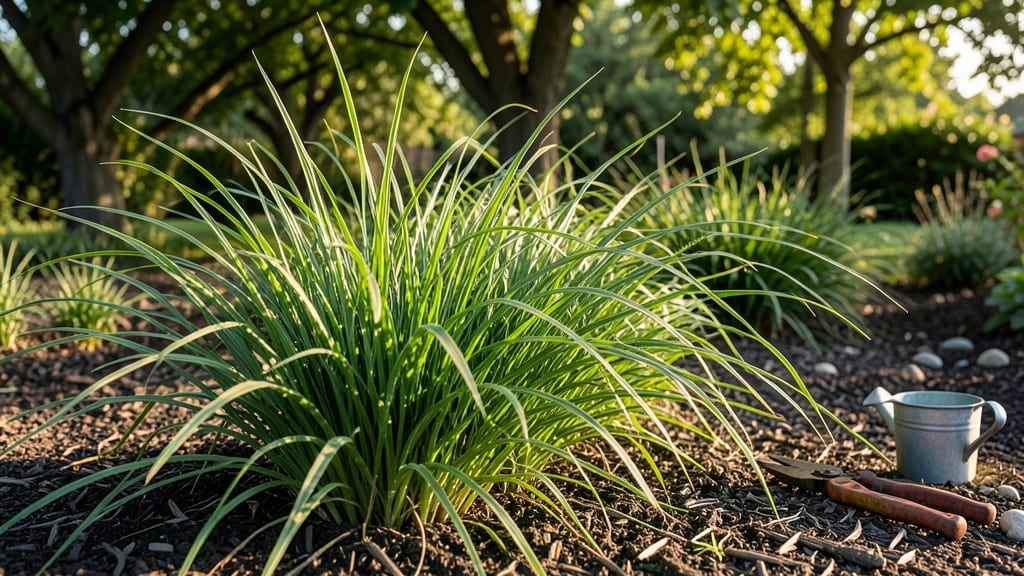
Young pampas grass starts as a dense tuft of slender, arching leaves that look like a miniature version of its dramatic adult form. 🌱 The first shoots emerge bright green and fuzzy, resembling a tight cluster of grass blades—nothing like the towering plumes we imagine.
At this stage, it’s easy to mistake it for ornamental grass seedlings, but the key difference is those soft, velvety tips that set it apart from other grasses. The leaves grow 1-2 feet tall in their first year, staying narrow and upright before gradually developing the signature arch.
They’re smooth-edged (no serrations) and have a waxy sheen that makes them stand out in morning light. Unlike mature plants, young pampas grass won’t produce those iconic feathery plumes—those take 2-3 years to appear.
What you’ll notice first is how fast it establishes roots—a good sign it’s happy in your soil. It thrives in full sun to partial shade and well-draining soil, so if your young plant looks leggy or yellow, it might need more light or better drainage.
The sooner you spot these signs, the easier it is to adjust care. This early stage is your chance to shape its growth—mulch lightly to retain moisture, but avoid overwatering. In just a year, that fuzzy tuft will transform into the bold, architectural plant you planted for.
Patience pays off with dramatic plumes by year three!
Understanding Young Pampas Grass Growth
If you’ve ever wondered why young pampas grass (Cortaderia selloana) looks so different from its mature counterparts, the answer lies in its growth stages and environmental interactions. Unlike fully developed plants with their iconic fluffy plumes, young pampas grass undergoes distinct transformations shaped by biology, climate, and care.
Here’s why it looks the way it does—and what you can do to encourage healthy development.
Pampas grass is a clump-forming perennial with a determinate growth habit, meaning it follows a predictable sequence of development. In its first year, the plant focuses on establishing a robust root system and basal shoots rather than producing ornamental plumes. Here’s the science behind it:
- Basal Growth Priority: Young pampas grass allocates most of its energy to developing a fibrous root network and tillers (new shoots) close to the ground. This ensures stability before vertical growth begins.
- Meristem Activity: The apical meristems (growth tips) remain dormant or slow-growing until the plant reaches a critical size, typically 1–2 years. This is why you might see sparse, upright stems without plumes.
- Dormancy Triggers: Some cultivars enter a juvenile phase, a period where they prioritize structural development over flowering. Cold climates or short daylight hours can extend this phase.
Actionable Tip: 💡 If your young pampas grass looks stunted, avoid pruning the basal shoots—these are the plant’s future framework! Focus on watering deeply (1–2 inches per week) to support root expansion.
Pampas grass is native to South America’s temperate and subtropical regions, where seasonal changes dramatically affect its appearance. In cooler or wetter climates, young plants may exhibit slower, more compact growth due to:
| Factor | Effect on Young Pampas Grass | What to Do |
|---|---|---|
| 🌡️ Temperature | Below 50°F (10°C) slows metabolic processes, delaying tillering and plume formation. Frost can damage emerging shoots. | Plant in USDA Zones 7–11. Use mulch (straw or wood chips) to insulate roots in winter. |
| ☀️ Daylight | Short days (<12 hours of light) trigger dormancy in some varieties, stalling growth until spring. | Supplement with grow lights if indoors, or wait for natural lengthening days in spring. |
| 💧 Moisture | Overwatering causes root rot, while drought stress leads to thin, weak stems. Young plants need consistent moisture but not soggy soil. | Water at the base (avoid wetting foliage) and improve drainage with perlite or sand. |
Pro Tip: ✨ In regions with harsh winters, young pampas grass may not produce plumes until year 3. Patience is key—think of it as building a skyscraper’s foundation before the top floors!
Pampas grass thrives in well-draining, slightly alkaline soil (pH 6.5–7.5), but poor soil conditions can distort its early growth. Common issues include:
- Nitrogen Deficiency: Too little nitrogen results in pale, leggy stems with sparse tillering. This is the plant’s way of stretching toward light sources.
- Phosphorus/Potassium Shortage: Without adequate P and K, roots and structural tissues weaken, leading to brittle, slow-growing shoots.
- Compacted or Clay Soil: Restricted root zones force the plant to grow upward quickly, creating thin, weak stems that flop or break.
Fix It:
- 🔥 Test Your Soil: Use a home kit or send a sample to a local extension office. Amend with compost or a balanced fertilizer (10-10-10) in early spring.
- 👨🍳 Improve Drainage: Mix in 20% coarse sand or perlite if your soil is heavy. Raised beds work well for clay-heavy areas.
- 🌡️ Avoid Over-Fertilizing: Young pampas grass doesn’t need heavy feeding—too much nitrogen can promote leafy growth at the expense of structural strength.
While mature pampas grass is hardy, young plants are vulnerable to pests and pathogens that alter their appearance. Look for these red flags:
- Spider Mites or Aphids: These sap-sucking insects cause yellowing, curled leaves, and stunted growth. Heavy infestations weaken the plant’s ability to photosynthesize.
- Fungal Infections (e.g., Rust or Powdery Mildew):strong> Excess moisture or poor airflow leads to white powdery coatings or orange pustules on leaves, reducing vigor.
- Root-Knot Nematodes: Microscopic worms attack roots, causing gnarled, underdeveloped shoots and poor nutrient uptake.
Preventative Measures:
- 🔪 Inspect Regularly: Check undersides of leaves for pests weekly. Blast off mites with a strong spray of water.
- 🌡️ Space Plants Properly: Allow 4–6 feet between young pampas grass to improve air circulation and reduce humidity.
- 💡 Neem Oil Treatment: Apply a 2% neem oil solution every 2 weeks during outbreaks to deter pests naturally.
Even well-intentioned care can backfire. Common human errors that alter young pampas grass’s appearance include:
- Over-Pruning: Cutting back more than ⅓ of the plant’s height or removing basal shoots can stunt growth. Young pampas grass relies on these shoots for future expansion.
- Incorrect Planting Depth: Burying the crown too deeply suffocates the plant, while planting too shallowly exposes roots to temperature swings.
- Transplant Shock: Moving established pampas grass (or even young plants) disrupts root systems, leading to wilting, yellowing, or slow recovery.
Do This Instead:
- ⏰ Wait to Prune: Delay pruning until the plant is at least 2 years old or has produced its first plumes.
- 🌱 Plant Correctly: The crown should sit just above the soil line (no deeper than 1 inch). Use a mix of native soil and compost.
- 💧 Water After Transplanting: Soak the root zone thoroughly and mulch to retain moisture while roots re-establish.
Revitalizing Young Pampas Grass Growth
If your young Cortaderia selloana (pampas grass) isn’t thriving as expected, don’t worry—it’s often a matter of adjusting care or addressing common issues. Below, we’ll tackle the most frequent challenges with practical fixes, from soil prep to pest control, so you can help your grass flourish in its early stages. 🌱
Cause: Poor soil quality, inadequate nutrients, or improper planting depth. Solution:
Young pampas grass needs well-draining, nutrient-rich soil to establish strong roots. If growth is sluggish, take these steps:
- 🔥 Amend the Soil: Mix in 2–3 inches of compost or aged manure into the planting hole before setting the grass. For sandy soil, add organic matter like peat moss to retain moisture.
- 🍳 Fertilize Lightly: Use a balanced, slow-release fertilizer (10-10-10 or 20-20-20) in early spring. Avoid over-fertilizing, as young plants are sensitive to excess salts.
- 👨🍳 Water Deeply: Water the base thoroughly after planting, then keep the soil evenly moist (but not soggy) for the first 4–6 weeks. Once established, reduce watering to 1–2 times per week.
💡 Pro Tip: If your grass is planted in containers, ensure drainage holes are present and use a well-draining potting mix.
Cause: Overwatering, nutrient deficiency, or fungal issues. Solution:
Yellowing leaves or brown tips can signal stress. Try these adjustments:
- ⏰ Adjust Watering: Pampas grass dislikes "wet feet." Let the top 1–2 inches of soil dry out between waterings. If fungal spots appear, reduce watering immediately.
- 🌡️ Check for Fungus: Treat with a fungicide (like neem oil or copper-based spray) if you spot powdery mildew or leaf spot. Apply in the early morning for best results.
- 🎯 Boost Nutrients: A lack of iron or nitrogen can cause yellowing. Apply a chelated iron supplement or a mild nitrogen-rich fertilizer (like fish emulsion) to revive foliage.
✨ Prevention Tip: Avoid wetting the foliage when watering to reduce fungal risks.
Cause: Spider mites, scale insects, or bacterial leaf blight. Solution:
Pests and diseases can set back young pampas grass. Act fast with these remedies:
| Issue | Fix |
|---|---|
| Spider Mites | Spray plants with water to dislodge mites, then apply insecticidal soap or neem oil weekly until gone. |
| Scale Insects | Scrape off visible scale with a soft brush, then treat with horticultural oil or systemic insecticide. |
| Bacterial Leaf Blight | Prune infected leaves immediately, sterilize tools with rubbing alcohol, and avoid overhead watering. |
💡 Pro Tip: Inspect new plants before purchasing—look for signs of pests or disease at the nursery.
Cause: Insufficient sunlight or overcrowding. Solution:
Pampas grass loves full sun (6+ hours daily) and space to spread. If growth is weak:
- 🔥 Relocate if Needed: If planted in shade, transplant to a sunnier spot. Dig a hole twice as wide as the root ball and amend the soil as described above.
- 🔪 Thin Out Clumps: If grass is too dense, divide mature clumps in early spring. Replant divisions 3–5 feet apart to allow airflow and reduce competition.
✨ Prevention Tip: Space young pampas grass 4–6 feet apart at planting to avoid future thinning.
With these targeted fixes, your young pampas grass should perk up and grow into the dramatic, ornamental plant it’s meant to be. Monitor progress and adjust care as needed—patience is key! 🌿
Frequently asked questions
How can I tell if my young pampas grass is healthy?
Healthy young pampas grass has bright green, upright leaves with a slight waxy sheen and no yellowing or browning. The leaves should grow 1-2 feet tall in the first year, forming a dense tuft. If leaves appear weak, yellow, or curled, it may need more sunlight or better drainage.
Why does my young pampas grass look like regular grass?
Young pampas grass starts as a tight cluster of slender, arching leaves that resemble ornamental grasses. The key difference is the soft, velvety tips on the leaves and their smooth edges—unlike mature pampas grass, which has feathery plumes. It won’t develop those plumes until 2-3 years old.
Can I plant young pampas grass in containers?
Yes, but choose a large container (at least 18 inches deep) with drainage holes to prevent root rot. Use well-draining potting mix and place in full sun. Containers dry out faster, so water 2-3 times per week in hot weather. Avoid small pots—the roots need room to spread.
How do I differentiate young pampas grass from other ornamental grasses?
The best way is to check the leaf structure: young pampas grass has narrow, arching leaves with smooth edges and a slightly fuzzy texture at the tips. Other grasses like fountain grass have hair-like extensions along the edges, while maiden grass has flat, ribbon-like leaves.
Will my young pampas grass survive winter?
Young pampas grass is hardy in USDA Zones 7-11. In colder climates, protect it with 2-3 inches of mulch around the base. If temperatures drop below 20°F (-7°C), cover the plant with burlap or frost cloth. It may lose some leaves but will regrow in spring.