
Lawn
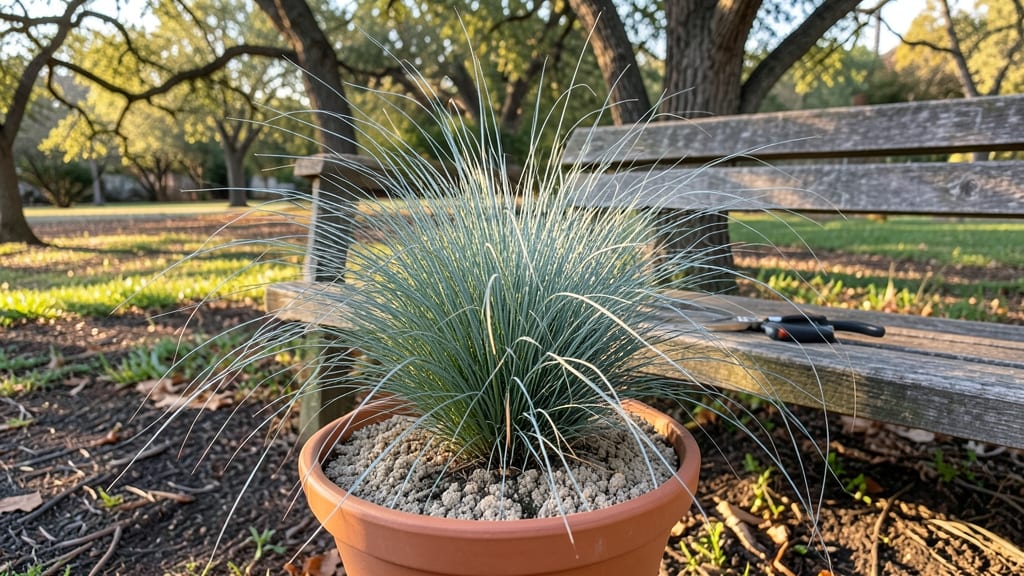
Pony Tails Feather Grass (Stipa tenuissima) transforms any landscape with its airy, silvery plumes that dance in the breeze. 🌿 I fell in love with this drought-tolerant beauty after seeing how it thrived through our harsh winters—no fuss, just stunning year-round texture.
Unlike high-maintenance grasses, this one stays lush with minimal care, making it perfect for busy gardeners or those with dry climates. The secret to its success lies in its adaptability: it handles poor soil, full sun, and even light shade, while requiring only occasional watering once established.
Plant it in clusters for a natural, meadow-like look or line driveways for a soft, swaying border. The feathery plumes add movement and height without overpowering other plants, creating a dreamy, ethereal effect. By late summer, you’ll be rewarded with 3-foot-tall cascades of silvery-green that shimmer in sunlight.
Even in winter, the dried plumes retain their structure, offering texture and interest when most gardens fade. It’s the kind of plant that makes neighbors ask, "What’s that gorgeous grass?"—and then you get to brag about how easy it is to grow.
Works beautifully in zones 5-9, whether you’re filling a sunny corner, stabilizing slopes, or adding drama to containers. Here’s how to make it thrive in your space!
📚 In This Guide
- What you need
- Instructions
- Tips and common mistakes
- Wrapping up and next steps
What you need
- ● Pony Tails Feather Grass (Nassella tenuissima): Seeds: 1–2 lbs per 100 sq. ft. (for new plantings)
- ● Plugs: 1 plug per sq. ft. (pre-grown starter plants)
- ● Sod: 1 roll per sq. ft. (for instant coverage)
- ● Soil: Well-draining, sandy loam (amend heavy clay with compost or perlite)
- ● Fertilizer: Slow-release, low-nitrogen fertilizer (e.g., 5-10-10 ratio, 1 lb per 100 sq. ft.)
- ○ Optional: Iron supplement (to prevent yellowing in alkaline soils)
- ● Tools: Garden rake (for leveling soil)
- ● Broadcast spreader (for seeds/fertilizer)
- ● Hand trowel or transplanting tool (for plugs/sod)
- ● Watering hose or sprinkler (with adjustable nozzle)
- ● Pruners or string trimmer (for edging)
- ● Mulch or straw (to retain moisture during germination)
- ● Soil test kit (to check pH and nutrient levels)
- ● Erosion control fabric (for slopes or windy areas)
- ● Organic weed barrier (to suppress weeds without chemicals)
- ● Lawn roller (for compacting sod or seed beds)
How to plant and maintain Pony Tails feather grass for year-round beauty
This cold-hardy ornamental grass thrives with minimal fuss once established—here's how to set it up for lush, architectural impact.
🌱 Step 1: Choose the Perfect Planting Location
Pony Tails Feather Grass (Stipa tenuissima) loves full sun—at least 6 hours daily—but tolerates light shade in hot climates. I always plant mine where it gets morning sun and afternoon shade, which prevents leaf scorch while maintaining that signature feathery texture. The grass spreads slowly but forms dense clumps, so space 4-6 feet apart for mature plants.
Check your site's drainage first—this grass despises soggy roots. If your soil stays damp for more than 24 hours after rain, amend with 2-3 inches of gritty sand or plant on a slight mound. You'll see the difference immediately: plants in poor drainage turn yellow and flop, while those in well-drained spots stay upright and vibrant.
🪴 Step 2: Prepare the Soil and Plant
This grass is adaptable but thrives in sandy, well-draining soil with a neutral pH (6.0-7.5). Work in 1-2 inches of compost if your native soil is heavy clay—this improves aeration without making the soil too rich. Dig a hole twice as wide as the root ball but only as deep as the container's base.
Tease out any circling roots gently before placing the plant in the hole. Backfill with native soil, pressing lightly to eliminate air pockets. Water deeply right after planting to settle the soil and encourage root contact. The first few weeks are critical—keep the soil consistently moist (not soggy) until new growth appears, which usually takes 3-4 weeks in ideal conditions.
☀️ Step 3: Water and Fertilize for Establishment
Water newly planted Pony Tails 1-2 times weekly for the first month, aiming for 1 inch of water per week. After establishment, reduce to once weekly during dry spells—this grass is drought-tolerant once rooted. You'll know it's settled when the feathery seed heads appear in late summer, signaling it's storing water efficiently.
Skip heavy fertilizers—this grass prefers lean soil. Apply a light layer of 5-10-5 fertilizer in early spring only if growth seems slow. Over-fertilizing leads to weak stems that flop under their own weight. Instead, focus on mulching with 1 inch of shredded bark to retain moisture and suppress weeds without smothering the plant.
✂️ Step 4: Prune and Maintain Year-Round
Cut back dead foliage in early spring before new growth emerges, using clean, sharp pruners. I never cut more than 2-3 inches above the base—this grass grows from the ground up, and aggressive pruning removes next year's growth. The feathery seed heads add winter interest, so leave them until late winter when they turn brown.
Divide clumps every 3-4 years in early spring if they outgrow their space. Dig up the entire plant, separate into smaller sections with a sharp knife, and replant immediately. You'll see immediate vigor in the divisions, as they establish faster than seedlings. Pony Tails spreads slowly, so division keeps it from becoming invasive while maintaining its elegant form.
⏰ Step 5: Overwinter with Minimal Care
This grass is USDA zones 5-10 cold-hardy, meaning it stays green in mild winters and browns in freezing temps—both look stunning. In zone 5, add 2-3 inches of mulch around the base after the first frost to protect roots. In warmer zones, no winter prep is needed beyond occasional watering if rainfall is scarce.
Spring cleanup is simple: sweep away debris around the plant and trim only the dead growth. Avoid pruning until you see new green shoots at the base—this ensures you don't cut back next year's growth by mistake. The grass's natural arching habit makes it low-maintenance once established, perfect for busy gardeners who want texture without trouble.
Tips & tricks for perfect Pony Tails feather grass planting
Common pitfalls—and how to sidestep every one when growing this stunning ornamental grass.
Site Selection Secret: While the instructions mention full sun, I’ve found that the morning sun and afternoon shade combo is where this grass truly shines. The afternoon shade prevents the feathery blades from drying out and turning crispy, especially in hot climates. If your garden only offers full sun, consider planting near a structure that provides afternoon shade—your grass will thank you with that signature silky texture.
Drainage is Non-Negotiable: The 24-hour drainage test mentioned is critical, but here’s what I’ve learned: if your soil drains poorly, don’t just amend—elevate. Planting on a slight mound (about 2-3 inches high) creates instant drainage while keeping the root zone stable. I’ve seen plants in amended flat ground still struggle with yellowing when planted directly in the ground, but mound-planted specimens thrive year after year.
Root Care During Transplanting: When teasing out circling roots in Step 2, be gentle but thorough. I’ve found that using your fingers to carefully separate the roots rather than pulling them apart with tools prevents damage to the delicate root tips. This small attention to detail makes all the difference in how quickly your plant establishes—those 3-4 weeks of consistent moisture become even more effective when roots aren’t stressed from rough handling.
Winter Protection Hack: For zone 5 gardeners, that 2-3 inches of mulch recommendation works wonders, but here’s my pro tip: use straw instead of shredded bark. Straw provides better insulation against freezing temperatures while still allowing moisture to penetrate. Plus, it breaks down more slowly, giving you extended protection through harsh winters without smothering the plant like heavier mulches can.
Pro Tips for Pony Tails Feather Grass
- Common pitfalls—and how to sidestep every one when growing this stunning ornamental grass.
- Site Selection Secret: While the instructions mention full sun, I’ve found that the morning sun and afternoon shade combo is where this grass truly shines.
- Drainage is Non-Negotiable: The 24-hour drainage test mentioned is critical, but here’s what I’ve learned: if your soil drains poorly, don’t just amend—elevate.
Frequently asked questions
Is Pony Tails Feather Grass really cold-hardy?
Pony Tails Feather Grass (Nassella tenuissima) thrives in USDA Zones 5-10, making it one of the toughest ornamental grasses for winter. While it may brown in freezing temps, it bounces back in spring—often greener and fuller than before! For extra protection, mulch lightly or add a frost blanket in harsh winters.
How long does it take to establish?
Patience pays off! This grass typically takes 6-12 months to fully establish, depending on climate and soil conditions. In the first year, focus on consistent moisture (but avoid soggy soil) and minimal disturbance. Once rooted, it’s drought-tolerant and low-maintenance—just trim back dead fronds in early spring for a fresh start.
Can I plant Pony Tails Feather Grass in pots or containers?
This grass loves containers—just ensure the pot has drainage holes and use well-draining soil. A 12-inch diameter pot works for small clumps, while larger containers can handle bigger spreads. Pro tip: Place pots in full sun to partial shade and water when the top inch of soil feels dry. Container-grown Pony Tails adds vertical drama to patios and balconies!
What’s the best way to control its spread?
Pony Tails Feather Grass is non-invasive but can spread slowly via rhizomes. To keep it in check:
- Divide clumps every 2-3 years if overcrowding occurs.
- Trim back aggressive shoots in early spring.
- Avoid over-fertilizing, which can encourage rapid growth.
Why is my Pony Tails Feather Grass turning brown or crispy?
Brown tips or crispiness usually signals one of three issues:
- Underwatering: This drought-tolerant grass still needs regular watering (especially in containers) during establishment.
- Overwatering: Soggy soil = root rot. Ensure soil drains well and water only when the top inch is dry.
- Winter burn: In extreme cold (below 10°F), fronds may crisp. Mulch lightly or add a frost cloth for protection.
Wrapping up and next steps
Pony Tails Feather Grass isn’t just a plant—it’s a game-changer for low-maintenance, drought-resistant, and stunning landscapes that thrive year-round. Whether you’re a seasoned gardener or a beginner, its cold-hardy resilience and feather-like plumes make it a standout choice for adding texture and movement to your outdoor spaces.
Ready to transform your yard? Start small—plant a few clumps in a sunny spot, experiment with companion plants, and watch your landscape come alive with effortless beauty. Your dream garden is just a seed away! 🌱✨