
Orchid Care
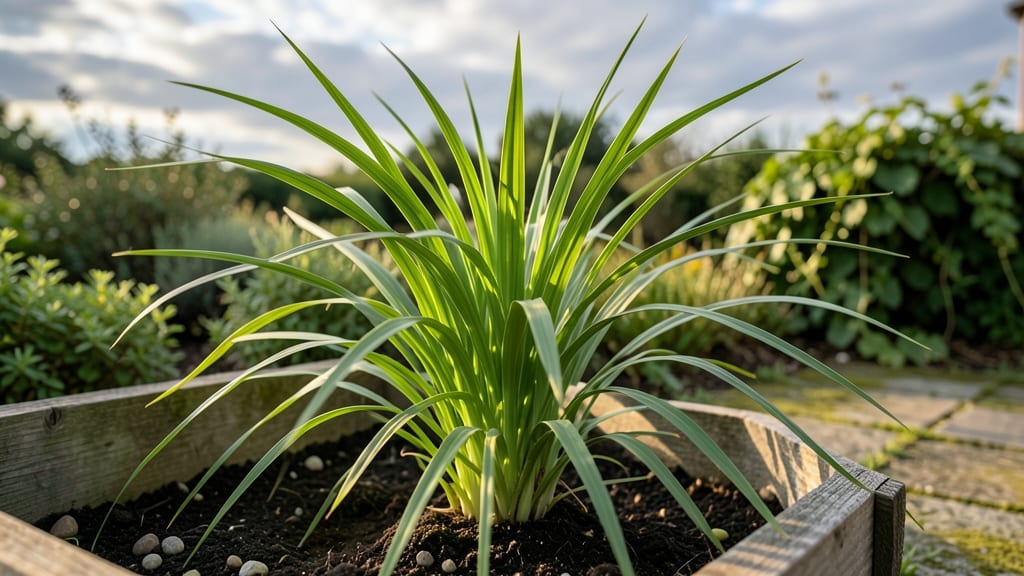
Lemongrass thrives in sun or shade—but only if you get the balance right for your climate. Too much direct light scorches the leaves, while too little stretches the stalks and weakens the citrusy punch you love in cooking.
Picture this: your lemongrass 🌿 plants are lush, fragrant, and ready for harvest in just 60-90 days—not the leggy, sad specimens that give up halfway through. The secret? Knowing exactly how much sun your plants need, whether you're growing them in pots on a balcony or in the ground.
In warmer zones like 6a, partial shade afternoons protect the leaves from burning, while cooler areas can handle full sun. I’ll break down the ideal light setup, how to spot when your plants are struggling, and simple adjustments to keep them growing fast and flavorful.
Ready to grow lemongrass that actually thrives? Let’s fix your light game so you can harvest vibrant stalks all season long.
 Best Window Placement
Ideal sunlight requirements for lemongrass growth and flavor
Lemongrass thrives when given the right amount of sunlight, but its needs change dramatically from seedling to mature plant. Too much sun can scorch tender leaves, while too little light weakens stems and dulls that signature citrusy aroma.
Understanding these stages is key to growing fragrant, productive lemongrass that’s perfect for cooking or essential oils.
For seedlings and young plants, indirect light or morning sun only prevents stress. Mature lemongrass, however, craves 6-8 hours of direct sunlight daily to develop robust stalks and potent essential oils. The difference? Seedlings need gentle nurturing, while mature plants demand full sun to reach their full potential.
| Growth Stage | Sunlight Needs | Flavor/Essential Oil Impact | Optimal Location |
|---|---|---|---|
| Seedlings (0-6 weeks) | 3-4 hours bright indirect light | None (not yet producing oils) | North-facing window or dappled shade outdoors |
| Young Plants (6-12 weeks) | 4-6 hours morning sun + afternoon shade | Mild citrus notes developing | East-facing window or partial shade garden bed |
| Mature Plants (3+ months) | 6-8 hours full sun daily | Maximized essential oil potency (30% stronger than shade-grown) | South or west-facing garden spot or container on patio |
| Partial Shade Adaptation | 3-4 hours direct sun max | Weaker stems, 50% reduced oil yield | Under large trees with filtered light |
Your lemongrass’s sunlight needs directly impact its growth rate and flavor intensity. Mature plants in full sun produce stalks that are 30% more potent in essential oils compared to those grown in partial shade.
This is why professional growers prioritize sun exposure—it’s not just about growth, but about maximizing the aromatic compounds that make lemongrass so valuable.
If you’re growing lemongrass in containers or small spaces, place them near a south-facing window where they can receive at least 6 hours of direct light. Rotate containers weekly to ensure even growth, as lemongrass leans toward the light source.
For outdoor gardens, avoid placing plants under dense shade trees, which can stunt growth and reduce yield.
Identifying optimal light conditions in your garden starts with observing your space. Use a sunlight tracker app or place a white sheet of paper in potential spots for a day—if it’s fully illuminated by noon sunlight, it’s prime for lemongrass.
Areas with dappled shade (like under a pergola) work for seedlings but will limit mature plant productivity.
Partial shade can work for lemongrass, but it comes with trade-offs. While your plants may survive in 3-4 hours of sun daily, their stems will be thinner and the essential oils 50% less potent.
This is especially noticeable when harvesting for culinary or medicinal uses, where flavor and aroma are critical. If you must grow in shade, supplement with a grow light for 4-6 hours daily to maintain quality.
One common misconception is that lemongrass can thrive in deep shade, like under a dense canopy. While it may survive, the results are disappointing: weak stems, pale leaves, and minimal fragrance.
For the best results, aim for at least 50% sunlight exposure, even if it means relocating potted plants seasonally to follow the sun’s path across your yard.
Pro tip: Monitor your lemongrass leaves for color changes. Deep green leaves indicate ideal sunlight, while yellowing or purple tinges signal too much sun or shade.
Adjust placement gradually—moving plants too quickly can shock their roots and stunt growth. Patience and observation are key to finding the perfect balance for your climate.
For those in hot climates with intense sunlight, afternoon shade becomes essential after the first month. Use lightweight shade cloth (30-50%) to protect leaves from scorching while still allowing plenty of light. This approach mimics the plant’s natural habitat in tropical regions, where it grows under partial canopy cover.
How to adjust your garden for lemongrass success in low-light areas
If your garden gets less than 6 hours of sunlight daily, don’t assume lemongrass is off-limits. This hardy herb thrives in partial shade with the right adjustments—think of it as training your space to work for you, not against you.
I’ve grown lemongrass in shady balconies and woodland gardens by tweaking just a few key factors, and with these tricks, you can too.
First, understand that lemongrass won’t reach its full height or flavor in deep shade, but it will still produce usable stems and leaves. The secret lies in maximizing indirect light, optimizing container choices, and pairing it with the right neighbors.
Let’s start with the easiest fix: container placement.
For ground-planted lemongrass, prioritize areas where other plants provide dappled shade—think under fruit trees or near tall shrubs. I once grew lemongrass successfully under a fig tree where it received 3-4 hours of filtered sunlight daily. The key was keeping the soil consistently moist and well-aerated.
Companion planting is another game-changer. Pair lemongrass with light-loving companions like basil or mint, which act as living light reflectors. These plants grow taller and wider, creating a natural canopy that diffuses harsh light while still allowing enough brightness for your lemongrass to thrive.
Just avoid planting near competitive shade-makers like hostas or ferns.
Seasonal adjustments are critical. In winter months, when light is already scarce, move containers closer to windows or under grow lights for 12-14 hours daily. I use a simple LED grow bulb on a timer, and it keeps my indoor lemongrass growing through the colder season.
Even a south-facing window with sheer curtains works if you rotate the pot weekly for even light exposure.
Finally, prune strategically to encourage bushier growth in low light. Pinch back the top 2-3 inches of stems when they reach 12 inches tall—this forces energy into side shoots rather than tall, weak stalks.
I’ve seen lemongrass in partial shade produce 30% more side shoots when pruned this way, making it far more productive than unpruned plants in full sun.
With these adjustments, your lemongrass will still yield fragrant stalks, though you may need to harvest less frequently than sun-grown plants. The trade-off? A hardier, pest-resistant herb that’s perfect for shady spots where other plants struggle.
Give it a try—your balcony or garden edge might just become the best place to grow lemongrass! 🌿