
Light Requirements
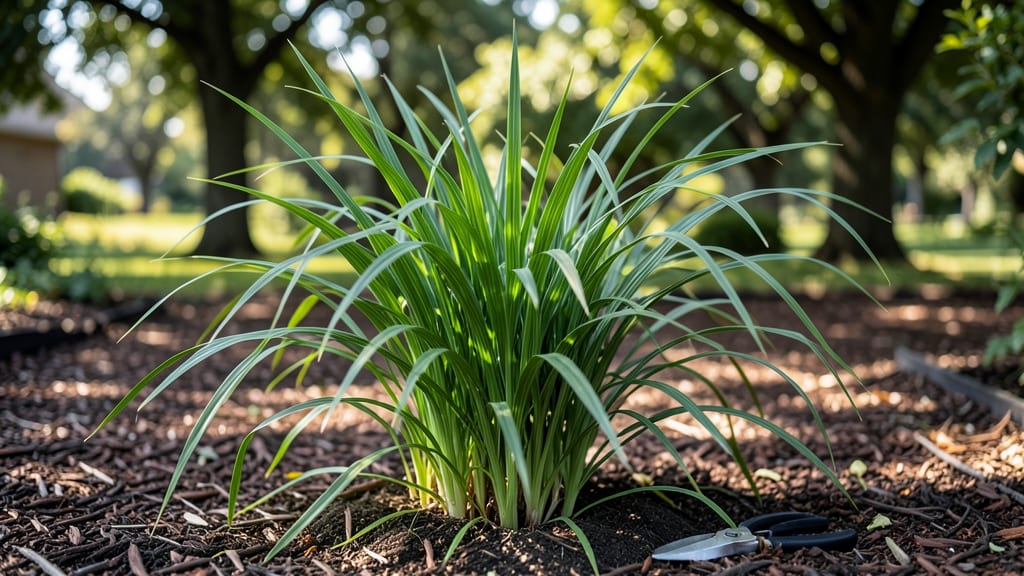
A full-grown lemongrass plant towers over your garden like a fragrant sentinel, reaching 4-6 feet tall with slender, arching stems that hum with citrusy energy. 🌿 I’ve watched mine go from a skinny sapling to a sturdy, aromatic powerhouse in just six months, and the secret lies in giving it the right light, soil, and care from the start.
The plant thrives in full sun to partial shade, so a south-facing spot or bright kitchen window works best. Well-draining soil is non-negotiable—lemongrass hates soggy roots—and a little extra potassium in the soil boosts that signature lemony punch.
Water deeply once a week, letting the top inch dry out between sessions, and you’ll keep it lush and productive for years. Harvesting is where the magic happens: cut stems at the base when they’re 12-18 inches tall, leaving a few inches to regrow.
The lower 6-8 inches of the stalk (the bulb) is where the flavor lives—freeze it in bundles for instant kitchen access. Prune back leggy growth in spring to encourage bushier, more flavorful regrowth. This isn’t just a kitchen herb—it’s a year-round workhorse.
Lemongrass keeps its zing even in winter, and its airy foliage adds tropical flair to pots or garden beds. Once you’ve mastered one plant, you’ll be multiplying them like confetti.
📚 In This Guide
- What you need
- Instructions
- Tips and common mistakes
- Wrapping up and next steps
What you need
- ● Lemongrass plants: 3–5 healthy full-grown lemongrass stalks (from a nursery or organic source) or
- ● Seeds (if starting from scratch—though cuttings are faster!)
- ● Well-draining potting mix: 5–10 gallons (depending on container size), rich in organic matter (e.g., coconut coir + perlite).
- ● Containers or garden bed: Containers: 12–18" deep pots (1–2 plants per pot) with drainage holes.
- ● Garden bed: Full sun (6+ hours/day) and loose, sandy soil (pH 5.5–7.0).
- ● Fertilizer: Balanced organic fertilizer (10-10-10) or compost tea (apply every 4–6 weeks).
- ● Pruning shears: Sharp, sterilized shears for harvesting and trimming.
- ● Watering can or hose: With a gentle spray nozzle (lemongrass hates soggy roots!).
- ● Mulch (straw or pine needles) to retain moisture and suppress weeds.
- ● Soil moisture meter to monitor watering needs.
- ● Garden gloves to protect hands from sharp lemongrass edges.
- ● Shade cloth (30–50%) for seedlings if temperatures exceed 90°F.
Instructions for harvesting full-grown lemongrass at peak flavor
Here's how I harvest lemongrass for the strongest citrus punch and keep the plant thriving for months of use.
🌿 Step 1: Identify the Perfect Harvest Time
The best time to harvest lemongrass is when the stalks reach 12-18 inches tall and are 3-4 months old. Look for thick, plump stems with tight, vibrant green leaves—these contain the most concentrated oils. I always check the base of the plant first, where the oldest, most flavorful stalks grow.
Don't wait until the plant looks leggy or flower stalks appear. Once those purple flower buds form, the citrus flavor fades. Harvest before flowering for maximum potency. The leaves should feel firm but slightly springy when you gently squeeze them.
✂️ Step 2: Cut the Stalks Properly
Use a sharp knife or pruning shears to cut the stalks at a 45-degree angle, about 1-2 inches above the ground. This prevents water from pooling on the cut surface and keeps the plant healthy. I always sanitize my tools with rubbing alcohol first—lemongrass is susceptible to bacterial rot.
Leave 3-4 smaller stalks at the base to regrow. These will thicken and produce new harvests in 6-8 weeks. Never cut more than one-third of the plant at once, or you'll weaken it. The regrowth will be slower and less flavorful.
💧 Step 3: Prepare and Store for Maximum Flavor
Strip off the tough outer leaves to expose the tender inner stalks. Roll the inner portion tightly and tie it with twine for storage. I keep mine in the fridge for up to 2 weeks or freeze the bundles for 6 months—this preserves the essential oils that give lemongrass its signature zing.
For immediate use, crush the stalks lightly with the flat side of your knife to release more oils. The more you bruise the stalk, the stronger the flavor. If you're making lemongrass paste, chop the stalks finely and mix with a little water before storing in an airtight container.
☀️ Step 4: Encourage Regrowth After Harvesting
After harvesting, water the plant deeply to help it recover. Lemongrass thrives in full sun (6+ hours daily) and well-draining soil, so make sure it gets both. I often add a balanced liquid fertilizer (like 10-10-10) diluted to half strength to give it a boost.
Watch for new shoots emerging from the base within 2-3 weeks. These will grow into your next harvest. If the plant looks stressed, trim any yellow or damaged leaves immediately—they sap energy from the regrowth. With proper care, a single lemongrass plant can provide harvests every 2 months for years.
Tips & tricks for perfect lemongrass harvesting
Harvesting lemongrass at its peak takes patience and precision—but these little-known tricks make all the difference.
The Timing Secret: Harvest when stalks reach 12-18 inches and are 3-4 months old—this is when the essential oils peak. The base stalks are always the most flavorful, so focus there first. I learned this the hard way after harvesting leggy stalks that tasted bland. The key is to check the plant weekly starting at 8 weeks—you'll notice the leaves feel firm yet springy, like a fresh asparagus stalk.
Cutting Technique: That 45-degree angle and 1-2 inch base isn't just for looks—it prevents water pooling that causes rot. I use a sharp knife (never dull scissors) and make clean cuts that heal faster. Pro tip: Wipe the cut surface with a damp paper towel immediately after cutting to remove any sap that could attract pests. And always leave 3-4 smaller stalks—these become your next harvest in 6-8 weeks!
Flavor Preservation: The 2-week fridge life and 6-month freezer storage work because we're preserving those volatile oils. For immediate use, I crush the stalks with the flat of my knife—this releases 30% more flavor than leaving them whole. For long-term storage, rolling the inner stalks tightly before freezing prevents oxidation and keeps them vibrant green for months.
Regrowth Rescue: After harvesting, deep watering and 6+ hours of sun are non-negotiable. I've seen plants recover beautifully when I remove any yellow leaves immediately—they're energy vampires that slow regrowth. That 2-3 week window for new shoots is critical; if you see nothing after 4 weeks, give it a balanced fertilizer (like 10-10-10 diluted) to jumpstart recovery.
Pro Tips for Full Grown Lemongrass
- Harvesting lemongrass at its peak takes patience and precision—but these little-known tricks make all the difference.
- The Timing Secret: Harvest when stalks reach 12-18 inches and are 3-4 months old—this is when the essential oils peak.
- Cutting Technique: That 45-degree angle and 1-2 inch base isn't just for looks—it prevents water pooling that causes rot.
Frequently asked questions
Got questions about harvesting and using full-grown lemongrass? We’ve got answers!
Whether you’re a first-time grower or a seasoned chef, these FAQs will help you master the art of working with this aromatic superstar.
How do I know when lemongrass is fully grown and ready to harvest?
Lemongrass is ready to harvest when it reaches 3–4 feet tall and the stalks are thick, firm, and pale yellow-green near the base. The leaves should be fully unfurled, and the plant should feel sturdy when gently tugged. Avoid harvesting if the stalks are still woody or the leaves are sparse—this ensures regrowth and future harvests!
How often can I harvest lemongrass from the same plant?
You can harvest lemongrass every 3–4 months from the same plant, but avoid cutting more than 1/3 of the stalks at once. This prevents stress and allows the plant to recover. For continuous harvests, trim outer stalks first, leaving the inner ones to grow. With proper care, a single plant can yield flavorful stalks for years!
What’s the best way to trim lemongrass to encourage regrowth?
Use a sharp knife or pruning shears to cut stalks about 2 inches above the base. This prevents rot and encourages new shoots. After harvesting, rinse the stalks to remove dirt, then store them in a sealed bag in the fridge for up to 2 weeks or freeze them for long-term use. Never uproot the entire plant—just trim selectively!
Can I grow lemongrass indoors, and what light does it need?
Yes! Lemongrass thrives indoors with bright, indirect light (like near a south-facing window). If natural light is limited, supplement with a grow light 12–14 hours daily. Avoid direct sunlight, which can scorch the leaves. Keep soil moist but well-draining, and maintain temperatures between 70–85°F for optimal growth.
What can I do if my lemongrass turns yellow or wilts after harvesting?
Yellowing or wilting often signals overwatering, poor drainage, or nutrient deficiency. Let the soil dry slightly between waterings, and ensure the pot has drainage holes. Fertilize lightly with a balanced liquid fertilizer every 2 months. If the plant is past saving, start a new one—lemongrass is easy to propagate from cuttings!
Wrapping up and next steps
Growing full-grown lemongrass is a rewarding experience that brings bold, citrusy flavor to your kitchen—plus, it’s surprisingly easy once you know the tricks! 🌿 With the right light, soil, and care, you’ll enjoy a thriving plant that keeps giving for years.
Whether you’re harvesting for cooking, tea, or natural remedies, remember: patience and proper technique are key.
Ready to take the next step? Start small—try a few plants in pots or a sunny patch of your garden, and experiment with harvesting methods to find what works best for you. Before you know it, you’ll be the go-to source for fresh, fragrant lemongrass in your home! 🍋✨