
Light Requirements
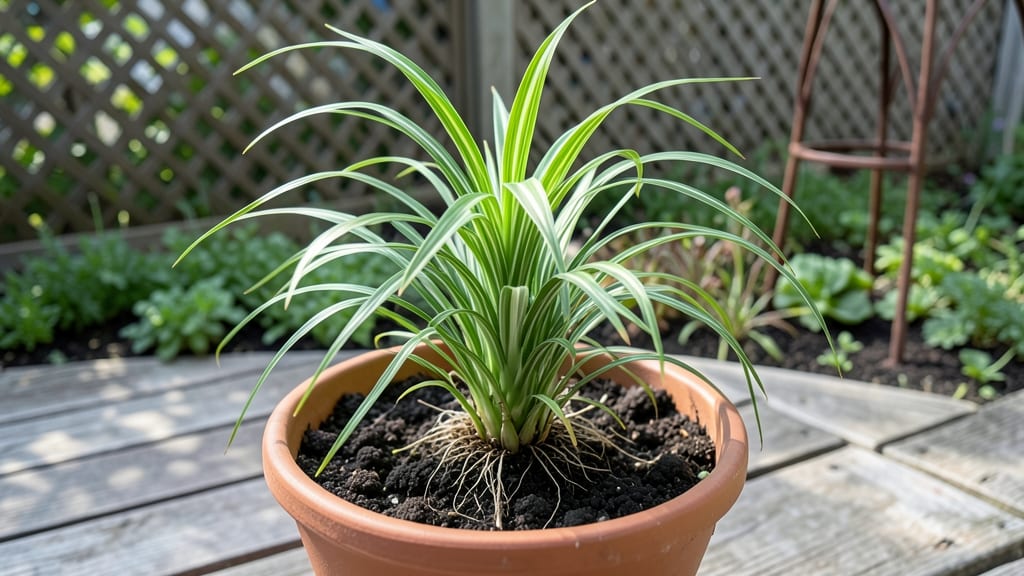
Lemongrass can grow in shade, but it thrives best with partial sunlight—about 4-6 hours of bright, indirect light daily.
Struggling to grow lemongrass in your shady garden? You’re not alone—many gardeners assume this tropical plant needs full sun, but the truth is more flexible. With the right conditions and care, lemongrass can thrive in partial shade while still delivering fragrant stems and vibrant foliage.
In Zone 6, where spring planting kicks off in April, lemongrass adapts surprisingly well to dappled shade, especially when paired with well-draining soil and consistent moisture. The key is balancing its natural tropical preferences with your garden’s limitations—because even shade-loving plants need a little light to stay healthy.
Below, I’ll share the exact light thresholds lemongrass can handle, how to spot signs of stress, and practical tips to keep your plants lush—whether you’re growing them in containers or tucked under a tree.


How much shade can lemongrass tolerate before struggling?
Lemongrass (Cymbopogon citratus) thrives in tropical climates but adapts surprisingly well to partial shade. While it prefers 4-6 hours of sunlight daily, it can tolerate 2-4 hours of direct light without severe stress.
The key lies in understanding its shade thresholds—too little light weakens growth, but the right balance keeps it healthy and fragrant.
In temperate climates, lemongrass may struggle with full shade (less than 2 hours of sun), showing signs like yellowing leaves and weak stalks. However, in humid, tropical regions, it can handle slightly more shade due to natural moisture retention. Always monitor your plant’s response to adjust care accordingly.
Here’s the critical breakdown of how lemongrass responds to varying light levels:
| Light Condition | Sunlight Hours/Day | Growth Impact | Best For |
|---|---|---|---|
| Full Sun | 6+ hours | Optimal growth, strong stalks | Tropical climates, containers |
| Partial Shade | 2-4 hours | Moderate growth, leggy if over-shaded | Temperate zones, indoor pots |
| Full Shade | 0-2 hours | Weak, yellowing leaves; poor stalk development | Avoid unless using grow lights |
If your lemongrass gets less than 2 hours of sunlight daily, it’ll likely show stunted growth and pale leaves. This is your plant’s way of signaling light deficiency.
Look for thin, elongated stalks and leaves that stretch toward the nearest light source—a classic sign of etiolation, where the plant weakens trying to reach light.
Diagnosing light issues early is crucial. Place your lemongrass near a south-facing window or use a grow light for 4-6 hours daily if natural light is insufficient. In temperate zones, even morning sun (6 AM–10 AM) can make a difference, as cooler light is gentler on tropical plants.
In humid climates, lemongrass tolerates slightly more shade because higher moisture levels compensate for reduced photosynthesis. However, dry, shaded spots (like under dense tree canopies) can stress the plant, leading to brown leaf tips. Always ensure well-draining soil and consistent moisture to offset low-light challenges.
For indoor growers, position your lemongrass within 3 feet of a bright window or supplement with a LED grow bulb. Avoid placing it in dark corners—even artificial light must mimic natural sunlight to prevent weak, sparse growth.
Remember, lemongrass is not a full-shade plant, but with 4+ hours of indirect light and proper care, it can still produce fragrant, usable stalks. The goal is to balance shade tolerance with light exposure to keep your plant thriving year-round.
🌿
Proven tips to grow healthy lemongrass in shady conditions
Growing lemongrass in shady spots might seem challenging, but with the right approach, you can still enjoy fragrant stalks and lush foliage. The key lies in optimizing soil health, watering routines, and selecting shade-tolerant varieties.
Unlike its tropical origins, lemongrass adapts surprisingly well when given the right care in low-light environments.
While full sun (6+ hours daily) produces the most robust growth, partial shade (3-4 hours of direct light) can work if you adjust your gardening strategy. The goal is to mimic its natural habitat’s humidity and moisture while compensating for reduced photosynthesis.
Let’s explore actionable tips to maximize your lemongrass yield even in shadier corners of your garden.
- 1 Amend soil with compost to improve nutrient uptake and drainage. Lemongrass thrives in moist, well-draining soil enriched with organic matter like compost or aged manure.
- 2 Water consistently—keep soil evenly moist but avoid waterlogging. In shade, soil dries slower, so check moisture every 2-3 days by inserting your finger 1 inch deep.
- 3 Choose shade-tolerant varieties like Citronella or West Indian lemongrass, which handle partial shade better than standard types. These rank highest for low-light resilience.
- 4 Use containers for better control. Pots allow you to rotate plants toward light sources and replace depleted soil. Opt for 12-inch-deep containers with drainage holes.
- 5 Mulch heavily with straw or leaves to retain moisture and cool roots. A 3-inch mulch layer reduces evaporation and mimics the humid conditions lemongrass prefers.
For container gardening, select pots with good drainage and place them near east-facing windows or under dappled sunlight from trees. If your space is fully shaded, supplement with a grow light for 4-6 hours daily to prevent leggy growth. LED grow lights are energy-efficient and ideal for herbs.
Companion planting can also boost your lemongrass health. Pair it with shade-loving companions like mint, basil, or fennel, which share similar moisture needs. Avoid planting near citrus trees, as they compete for nutrients and can stunt growth.
Finally, monitor your lemongrass for signs of stress, such as yellowing leaves or stunted stalks, which often indicate insufficient light or overwatering. Adjust care accordingly—prune leggy stems to encourage bushier growth and fertilize lightly every 6-8 weeks with a balanced organic fertilizer.
With these strategies, your shady lemongrass will reward you with aromatic stalks perfect for teas, cooking, or homemade remedies—proving that even tropical plants can thrive in unexpected places. 🌿