
Lawn
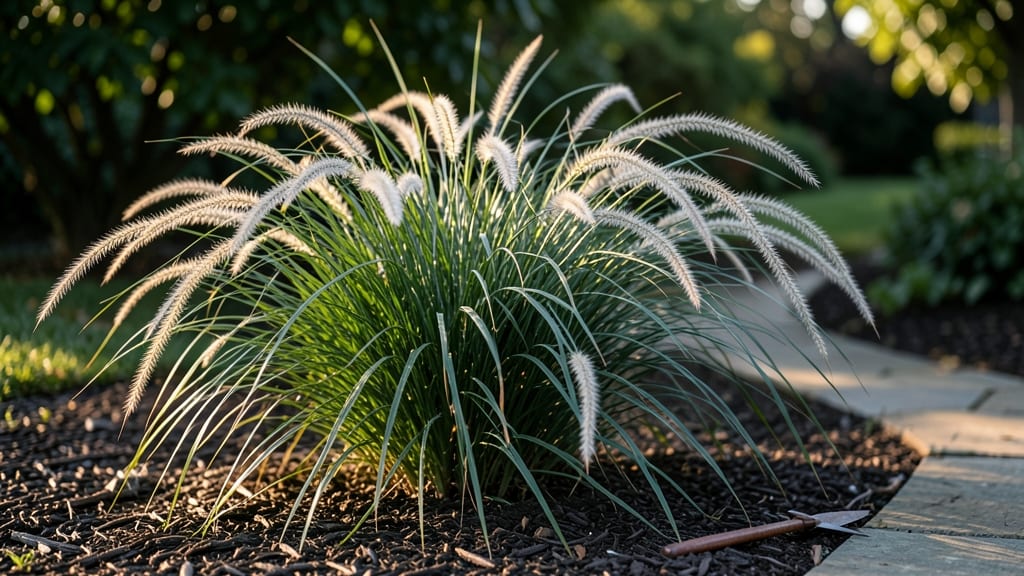
White plumes of ornamental grass transform any landscape into a textured masterpiece. ✨ These grasses—like 'Karl Foerster' feather reed or 'Dwarf Fountain'—bring movement and structure, their silvery blades catching light like windblown silk.
I’ve used them to soften sharp edges in my own garden, and they’ve become the unexpected star of borders and containers.
What makes them so special? Their year-round interest: winter’s stark elegance, summer’s airy plumes, and the golden hues of fall. They pair beautifully with perennials like coneflowers or black-eyed Susans, or even bold shrubs like hydrangeas.
The best part? They’re low-maintenance—just a trim in early spring and occasional watering to keep them thriving.
Imagine a dramatic focal point in your garden: a single clump of 'Karl Foerster' swaying in the breeze, or a cluster of 'Dwarf Fountain' spilling over a container’s edge.
These grasses work in sun or partial shade, making them versatile for almost any spot. Plus, they attract birds and butterflies, adding life to your outdoor space.
For a foolproof way to elevate your garden’s texture and movement, these grasses are the secret weapon. Whether you’re filling a large border or a small pot, they’ll bring effortless sophistication. Let’s dive into the varieties and care tips that’ll keep them looking their best all season long.
Why it happens
If your grass is suddenly sprouting delicate white plumes, you’re likely witnessing a natural—and often beautiful—response to environmental or biological cues. While these feathery growths can look like a fairy-tale touch to your lawn, they’re usually a sign of one (or more) of these common triggers.
Understanding the root cause helps you decide whether to embrace the aesthetic or take action to restore a uniform green carpet.
White plumes on grass are often a symptom of fungal infections, particularly from Microdochium nivale (commonly called gray snow mold) or Typhula incarnata (a type of speckled snow mold).
These fungi thrive in cool, wet conditions—especially during late fall, winter, or early spring—and produce white, cottony, or plume-like growths on blades of grass.
Here’s how it happens:
- Moisture overload: Prolonged dampness (from rain, snow, or poor drainage) creates the perfect breeding ground for fungal spores. M. nivale can even survive under snow blankets, waiting to pounce when temperatures rise.
- Cold stress: Grass weakened by frost or freezing temperatures is more susceptible to fungal attacks. The plumes are essentially the fungus’s fruit bodies (reproductive structures) emerging as it colonizes the grass.
- Thatch buildup: A thick thatch layer traps moisture and organic debris, giving fungi a cozy hideout. If your lawn has a thatch layer over ½ inch thick, fungal plumes are more likely to appear.
💡 Pro Tip: If you spot white plumes after a snowy winter, it’s almost certainly a fungal infection. The good news? These fungi are usually not harmful to the grass itself—they’re more of a cosmetic nuisance. However, if the grass turns brown or dies back, intervention may be needed.
Not all white plumes are caused by pathogens. Sometimes, your grass is simply adapting to stress in a unique way. Two common environmental triggers include:
❄️ Frost or Freeze Damage
When grass blades are damaged by sudden cold snaps, some species (like Festuca or Poa varieties) may produce white, plume-like seed heads as a survival mechanism. This isn’t a fungal infection—it’s the grass bolting (prematurely sending up seed stalks) to reproduce before dying back.
Why it happens:
- Cold temperatures shock the grass, signaling it to prioritize reproduction over growth.
- Weak or thin grass is more prone to bolting, especially if it’s already struggling from drought, poor soil, or wear.
- Some ornamental grasses (like Miscanthus or Pennisetum) naturally produce white plumes as part of their growth cycle—don’t panic if your landscape grass behaves similarly!
☀️ Heat and Drought Responses
In hot, dry conditions, some grass types may go dormant and produce white, feathery seed heads to conserve energy and ensure the next generation survives. This is common in:
- Bermuda grass (under extreme drought)
- Orchard grass (when water-stressed)
- Wild or native grasses (evolved to thrive in arid climates)
The plumes are a defense mechanism—the grass is essentially saying, “I’m not doing well, but I’ll reproduce before I give up.”
🌡️ Key Sign: If the plumes appear after a heatwave or drought but the grass is still green (just stressed), it’s likely a drought response. If the grass is also yellowing or wilting, water deeply and monitor for recovery.
While less common, certain insects and mites can trigger white plume-like growths as a secondary effect of their damage. The most likely culprits:
🐜 Grasshoppers or Cutworms
These pests chew on grass blades, weakening them to the point where the plant may produce abnormal growths—including white, fuzzy structures—as a stress response. The plumes aren’t the pest themselves but a symptom of severe damage.
🕷️ Spider Mites (Indirectly)
While spider mites don’t cause plumes directly, their feeding on grass sap can stress the plant enough to trigger premature seed head formation. Look for:
- Stunted grass growth
- White webbing (a dead giveaway)
- Plumes appearing in patches where mites are active
🔍 How to Confirm: Check the soil and grass blades for tiny insects or webbing. If you find them, treat with neem oil or insecticidal soap for organic control, or use pyrethrin-based sprays for severe infestations.
White plumes on your grass are rarely a serious threat to the plant’s health—but they are a clue that something in the environment is off balance. By identifying whether the cause is fungal, stress-related, or pest-driven, you can decide whether to let nature take its course or take corrective action to restore your lawn’s lushness.
Quick Fixes for Unwanted Plumes
If your lawn has sprouted grass with white plumes—whether it’s feathery ornamental grass or an unexpected wildflower—don’t panic! These solutions will help you manage, remove, or even embrace the change depending on your landscaping goals.
Below, we’ll break down the most common causes and their practical fixes, plus tips to keep your lawn looking intentional.
Ornamental grasses like miscanthus, pampas grass, or fountain grass naturally develop fluffy white plumes as they mature. If these are thriving where you didn’t plant them, they may have self-seeded or spread via rhizomes.
How to Fix It
✅ 🔪 Trim or Cut Back
- Use sharp pruning shears or a hedge trimmer to shear the plumes at ground level.
- For aggressive spreaders like pampas grass, cut 2–3 inches above the base in early spring before new growth starts.
- Pro Tip: 💡 Wear gloves—some ornamental grasses have sharp edges!
✅ 🌱 Relocate or Remove
- If you love the look but hate the location, dig up clumps and replant them where they belong.
- For stubborn patches, apply a pre-emergent herbicide in early spring to prevent regrowth (follow label instructions).
✅ 🔄 Prevent Future Spread
- Mulch heavily around planted ornamental grasses to suppress unwanted seedlings.
- Isolate clumps by installing a barrier root block if they spread aggressively.
White-plumed grasses like cheatgrass, sandbur, or even milkweed can pop up unexpectedly, especially in sunny, dry areas. These may not be ornamental but can still add texture—if you want them gone, act fast.
How to Fix It
✅ 🌡️ Hand-Pulling (Best for Small Patches)
- Wait for rainy or damp days when soil is soft.
- Grasp the base of the plant and pull upward (don’t just snap the plume—this encourages regrowth).
- Pro Tip: ✨ Use a weeding tool with a forked end to loosen roots in hard soil.
✅ 💊 Herbicide Spot-Treatment
- For stubborn weeds, use a selective post-emergent herbicide (like glyphosate for non-grass areas or 2,4-D for broadleaf weeds).
- Spot-treat only to avoid killing your lawn.
- Safety Tip: 🚫 Avoid herbicides if children or pets frequent the area—opt for manual removal instead.
✅ 🌱 Smother or Solarize
- Cover the area with cardboard or thick mulch for 4–6 weeks to block sunlight and kill weeds.
- For extreme cases, solarize by covering with clear plastic in hot summer months (kills weeds via heat buildup).
✅ 🌱 Re-Seed or Sod
- After removing weeds, overseed with grass seed or lay sod to prevent regrowth.
- Choose drought-tolerant grasses if your area gets little rain.
If the white plumes are moldy, discolored, or accompanied by brown patches, your grass may be infected by fungus (like snow mold or powdery mildew).
How to Fix It
✅ 🍄 Fungicide Treatment
- Apply a broad-spectrum fungicide (like propiconazole or myclobutanil) following package rates.
- Water lightly after application to help absorption.
- Pro Tip: 🌡️ Early morning or evening applications work best to avoid sun damage.
✅ 🌱 Improve Drainage & Airflow
- Aerate compacted soil to reduce moisture buildup (use a core aerator in spring/fall).
- Thin out dense grass or shrubs to improve airflow.
- Rake up thatch (the spongy layer between soil and grass) to prevent fungal growth.
✅ 💧 Adjust Watering Habits
- Water deeply but infrequently (1–1.5 inches per week) to discourage fungal spores.
- Avoid overhead watering—use soaker hoses instead.
- Prevention Tip: ⏰ Water early in the day so grass dries before nightfall.
✅ 🌱 Replace Severely Infected Grass
- If large patches are dead or dying, dig up and replace with resistant grass varieties (like tall fescue or zoysia).
If the white plumes enhance your landscape’s texture and movement, consider strategically incorporating them instead of removing them.
How to Turn It Into a Feature
✅ 🌿 Design with Intent
- Plant ornamental grasses in clumps or drifts for a natural, layered look.
- Pair with perennials or shrubs for contrast (e.g., deep purple salvia beside silver-blue fountain grass).
✅ 🎨 Prune for Shape & Seasonal Interest
- Shear plumes to control height or leave them for winter interest.
- Cut back in late winter before new growth appears to encourage fuller regrowth.
✅ 📸 Use as a Focal Point
- Place tall grasses near water features, patios, or garden edges to draw the eye.
- Mix textures—soft plumes against spiky succulents or bold foliage create drama.
✅ 🌱 Low-Maintenance Lawn Alternatives
- If you’re tired of mowing, replace part of your lawn with ornamental grasses for a modern, eco-friendly look.
- Try little bluestem, switchgrass, or muhly grass for native, low-water options.
Final Thought: Whether you’re eradicating weeds, treating fungus, or designing a dreamy meadow, the key is consistent care and intentional choices.
Observe your lawn, experiment with solutions, and don’t be afraid to let nature take the lead—sometimes the most beautiful landscapes are the ones that grow wild with purpose.
Frequently asked questions
What are the best ornamental grasses with white plumes for small gardens?
'Dwarf Fountain' grass (Pennisetum alopecuroides) and 'Little Bunny' fountain grass are perfect for containers or small spaces. These varieties stay compact (2-3 feet tall) and produce delicate white plumes that sway beautifully in breezes. Their smaller size makes them ideal for patios or window boxes.
How do I prevent ornamental grasses from spreading where I don’t want them?
Install plastic root barriers (1-2 feet deep) around planted clumps to contain aggressive spreaders like pampas grass. For self-seeding varieties, remove seed heads before they mature or use mulch to block sunlight from reaching emerging seedlings. Regular trimming also discourages unwanted spread.
Can I grow white-plumed grasses in containers, and what size pots should I use?
Yes! Most ornamental grasses thrive in containers with at least 12-18 inches of depth and proper drainage. For smaller varieties like 'Karl Foerster' feather reed grass, 10-12 inch pots work well, while larger types need 18-24 inch containers. Use well-draining potting mix and place pots where they'll get 6+ hours of sunlight daily.
What’s the best way to overwinter ornamental grasses with white plumes?
Leave the dead plumes intact through winter for protection and visual interest. In late winter (before new growth starts), cut back to 4-6 inches above the ground. For container-grown grasses, move pots to a sheltered location or wrap them in burlap if temperatures drop below 10°F.
How do I create a dramatic garden border using white-plumed grasses?
Plant tall grasses (like 'Gracillimus' maiden grass) at the back and shorter varieties (like 'Burgundy Bunny' fountain grass) in front. Space them 18-24 inches apart for a natural, layered look. Pair with perennials like black-eyed Susans or purple coneflowers for striking color contrasts.