
Planting
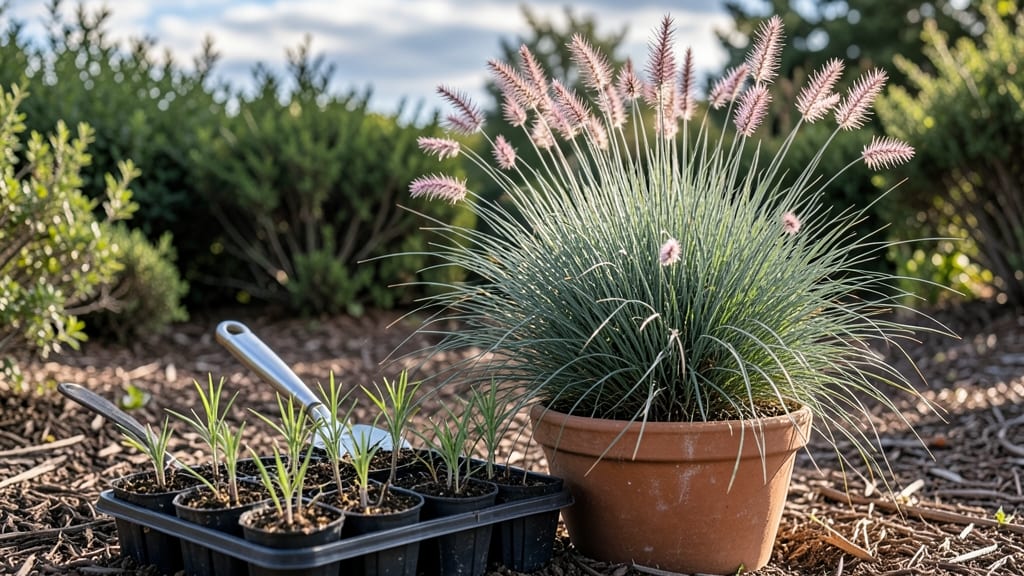
Planting Muhly Grass 🌾 at the right time unlocks its stunning fluffy plumes—miss the window, and you’ll end up with weak growth or no fall display at all.
Picture this: your garden in October, bathed in golden light, with Muhly Grass swaying in the breeze like a cloud of cotton. That dream hinges on planting it when the soil is warm enough to root but not so late that winter arrives before it establishes.
In Zone 6a, that’s late spring to early summer, but the exact month depends on your local climate.
Too early, and frost can nip tender shoots; too late, and the grass won’t bulk up before winter. I’ll break down the best months for your region, plus how to tell when your soil is ready—no guesswork, just science-backed timing for maximum fluffiness.
You’ll also discover how to prep your soil, where to place it for full sun, and the one watering trick that keeps Muhly Grass thriving year after year. Let’s get those fall foliage showstoppers in the ground the right way.
Best Muhly grass planting months by USDA climate zones
Muhly grass (Muhlenbergia capillaris) thrives when planted during its optimal temperature window, which varies dramatically across USDA Zones 5-10. The key is planting when soil temperatures stay consistently above 60°F (15°C)—this ensures strong root establishment before summer heat or winter dormancy.
In cooler northern zones, early spring planting works, while southern climates often prefer fall planting to avoid summer stress.
Your local last frost date is your first clue, but don't rely on it alone. Muhly grass needs 4-6 weeks of warm soil to avoid transplant shock.
For example, in Zone 7, this means aiming for mid-April to early May, while Zone 9 gardeners should plant in September to beat summer's peak heat. Let's break down the science-backed windows for each zone.
⚠️ CRITICAL NOTE: Planting too early in cold zones risks frost damage, while late planting in hot zones can lead to heat stress and poor root development. Always check your local frost dates and adjust by 4-6 weeks.
Here’s a zone-by-zone comparison of the best planting months, including early/late windows and soil temperature thresholds for Muhly grass success:
| USDA Zone | Best Planting Month | Early Window | Late Window | Soil Temp Threshold | Notes |
|---|---|---|---|---|---|
| Zones 5-6 | Late May - Early June | Mid-May (if frost-free) | Early July | 60°F (15°C) | Avoid early spring planting; risk of frost damage. |
| Zones 7-8 | April - May OR September | March (with frost cloth) | Late June | 60°F (15°C) | Fall planting preferred in hot summers. |
| Zones 9-10 | September - October | August (with shade cloth) | November | 70°F (21°C) | Avoid summer planting; prioritize fall for winter dormancy. |
In Zones 5-6, the late spring rush (May-June) is non-negotiable. These regions experience short growing seasons, so planting too early risks frost damage to tender roots. Use a soil thermometer to confirm temperatures stay above 60°F (15°C) for at least 5 days before planting.
For container growers, extend your window by 2-3 weeks—containers warm faster and protect roots from temperature swings.
Gardeners in Zones 7-8 have the luxury of two planting windows: spring and fall. Spring planting (April-May) aligns with natural rainfall patterns, while fall planting (September) capitalizes on cooler temps and reduces summer stress.
If you choose fall, plant 6-8 weeks before your first frost to allow roots to establish before dormancy. Pro tip: Mulch heavily in fall to insulate roots during winter.
For Zones 9-10, fall is the only game. Summer heat in these zones can push soil temps above 90°F (32°C), which stresses Muhly grass transplants.
Aim for September-October when daytime highs drop below 85°F (29°C). If you must plant in summer, use shade cloth (30-50%) and water deeply twice daily until established.
Regardless of zone, avoid planting during extreme heat—even drought-tolerant Muhly grass struggles when soil temps exceed 90°F (32°C). If your local forecast shows 3+ days above 90°F after planting, provide afternoon shade with a lightweight shade cloth until temps drop.
This simple step can double your success rate in hot climates.
One final pro tip: Pre-soak nursery pots for 1-2 hours before transplanting. This jumpstarts root growth in dry soil conditions, a common issue in Zones 9-10 during fall planting.
For container Muhly grass, use well-draining pots with drainage holes and plant in early spring to avoid summer heat stress entirely.
🌾
Signs your Muhly grass planting timing is perfect (or wrong)
Muhly grass thrives when planted at the right time, but many gardeners miss the ideal window due to soil temperature and seasonal cues. The difference between perfect timing and failure often comes down to three key indicators: soil warmth, moisture balance, and surrounding plant activity.
Let’s break down what to watch for before digging in.
First, check your soil temperature—it should consistently stay above 60°F for at least a week. Use a soil thermometer to avoid guessing, especially in cooler climates where early spring planting can stunt roots.
Cold soil slows growth and invites rot risks, so patience here pays off in lush, healthy plants by fall.
Next, observe your local flora. When nearby perennials like black-eyed Susans or coneflowers begin blooming, it’s often a sign that Muhly grass is ready to plant. These plants share similar growing season cues, making them reliable neighbors to watch.
If your area’s last frost date has passed but these flowers aren’t blooming yet, hold off for another week or two.
Moisture levels also play a critical role. Before planting, ensure the soil is evenly moist but not soggy. Stick your finger about 2 inches deep—if it feels dry, water the area thoroughly 24 hours before transplanting.
Overly wet soil can suffocate roots, while bone-dry conditions force plants to work harder just to establish themselves.
⚠️ Planting Too Late?
Muhly grass planted after mid-August in most zones risks stunted growth before winter. If you missed the window, opt for container planting—small pots can be moved indoors during frost. For ground planting, choose a sheltered location to protect young roots from early cold snaps.
If you’re planting in fall instead of spring, aim for 6-8 weeks before your first frost. Muhly grass needs time to establish roots before winter dormancy. Look for dry, crisp air and shorter daylight hours as signs it’s time to act.
Fall planting can yield stronger root systems by spring, but rush it, and you’ll end up with weak, frost-sensitive plants.
Finally, trust your gut instinct—if the weather forecast calls for unseasonable heat waves or prolonged rain in the next few weeks, delay planting. Muhly grass handles drought once established, but extreme conditions during the critical first 30 days can be devastating.
When in doubt, wait for stable, moderate temperatures and clear skies.
Mastering these signs ensures your Muhly grass gets off to a healthy start, setting the stage for those showstopping fall plumes you’re dreaming of. Pay attention to the details, and your garden will thank you with years of effortless beauty—no guesswork required. 🌾