
Lawn
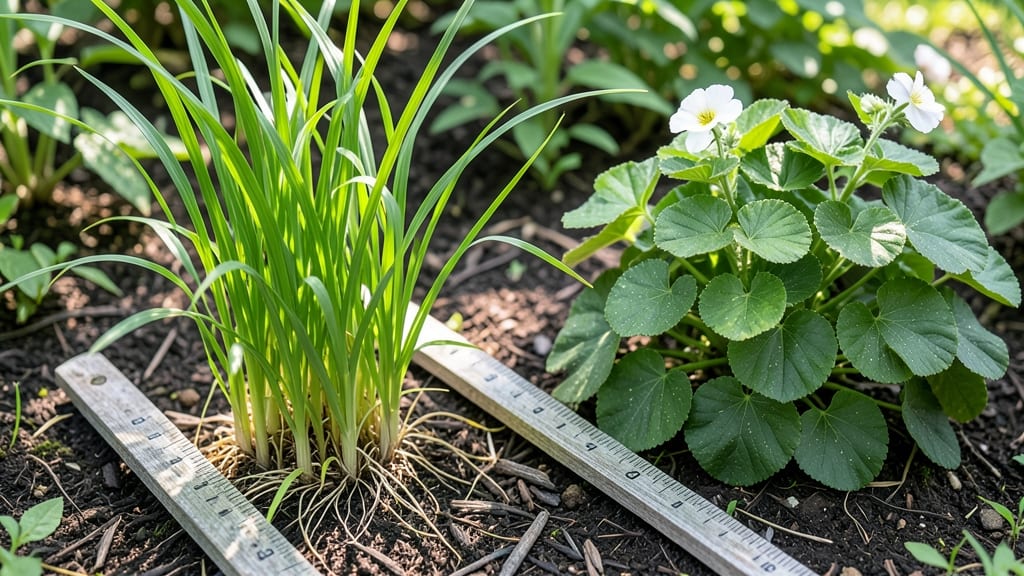
The difference between citronella and lemon grass might surprise you—both evoke summer evenings, yet one keeps bugs at bay while the other shines in your stir-fry. 🌿 different. I’ve grown both in my backyard, and here’s how to tell them apart before you plant—or worse, cook with the wrong one.
Citronella (Cymbopogon nardus) is the tall, skinny mosquito magnet with narrow, arching leaves that release a sharp, camphor-like scent when crushed. It thrives in hot, sunny spots, grows 4-6 feet tall, and spreads aggressively—perfect for borders or containers near patios.
The leaves are hollow, and the stems are stiff and woody at the base. Use it fresh or dried in oil diffusers, torches, or as a living fence to keep bugs away.
Lemon grass (Cymbopogon citratus), on the other hand, is the shorter, bushier cousin with broad, flat leaves that smell like a mix of lemon and ginger. It tops out at 3-4 feet, has softer stems, and prefers partial shade in warmer climates.
The leaves are solid (not hollow), and the base is paler and bulbous. This is your culinary workhorse—chop the bottom 6 inches for soups, curries, and teas, but avoid the fibrous top half.
Need a pest-repelling border? Go citronella. Craving bright, zesty flavor? Lemon grass is your pick. Both are hardy in USDA zones 9-11, but lemon grass tolerates cooler temps better.
Pro tip: If your plant smells like lemony citrus, it’s lemon grass. If it smells medicinal and strong, it’s citronella—and not for eating.
The first product explained
Meet Citronella Oil: The Classic Mosquito Repellent Powerhouse 🦟✨
If you're looking for a natural way to keep pesky insects at bay while enjoying your outdoor space, Citronella Oil is the go-to solution for many gardeners and homeowners.
Derived from the Cymbopogon nardus plant (also known as citronella grass), this aromatic oil is a staple in outdoor settings due to its strong, lemony-citrus scent that mosquitoes and other biting insects simply can’t stand.
Key Specs & Features
- Source: Steam-distilled from citronella grass, a type of tropical grass native to Southeast Asia.
- Primary Use: Mosquito and insect repellent (ideal for patios, decks, and garden parties).
- Scent Profile: Bright, citrusy, and slightly herbal—think of a zesty lemon with a woody twist.
- Effectiveness: Works best when applied directly to skin or diffused in outdoor areas (though it’s not as long-lasting as synthetic repellents).
- Safety: Generally non-toxic but may cause skin irritation in sensitive individuals. Always dilute before topical use.
- Shelf Life: Typically 2–3 years when stored in a cool, dark place.
Who’s It For?
Citronella Oil is perfect for:
- Outdoor enthusiasts hosting backyard BBQs or garden gatherings.
- Eco-conscious homeowners who prefer natural insect repellents over chemical alternatives.
- DIYers who enjoy crafting homemade candles, sprays, or soaps with a fresh, citrusy kick.
- Pet owners (when used cautiously—avoid direct application near pets!).
Price Point & Availability
Citronella Oil is widely available and budget-friendly, with prices ranging from:
- $8–$15 for a 4-oz bottle of pure essential oil (great for DIY projects).
- $15–$30 for pre-mixed repellent sprays or candles (convenient for instant use).
- $30+ for high-end, organic, or therapeutic-grade oils (ideal for aromatherapy lovers).
Pro Tip: 💡 Pair it with a few drops of lemon eucalyptus oil for an even stronger bug-repelling combo!
The second product explained
Meet the aromatic champion of your garden: Lemon Grass (Cymbopogon citratus)—a versatile, citrus-scented powerhouse that’s as functional as it is fragrant! 🌿✨ While it may share a similar name with citronella, lemon grass brings its own unique magic to outdoor spaces, pest control, and even culinary adventures.
🌱 Key Specs & Features
Lemon grass is a clumping, perennial grass that thrives in warm climates (USDA Zones 9-11) but can also be grown as an annual in cooler regions. Here’s what makes it stand out:
- Height: Typically grows 3–6 feet tall, making it a striking vertical accent in gardens.
- Fragrance: Bright, zesty citrus aroma (lemony, not camphor-like like citronella) that repels mosquitoes, ants, and even some flying insects.
- Growth Habit: Forms dense tufts with long, sword-like leaves. The lower stems are often pale purple or white, adding visual interest.
- Drought-Tolerant: Once established, it handles dry spells better than many ornamental grasses.
- Edible & Medicinal: Leaves and stems are used in Thai, Vietnamese, and Indian cuisine (e.g., soups, teas, and marinades). Also has anti-inflammatory and digestive benefits!
🎯 Who’s It For?
Lemon grass is a multi-tasking superstar ideal for:
- Home gardeners who want a low-maintenance, pest-repelling plant with a pop of color.
- DIYers and naturalists looking to craft homemade insect repellents, sachets, or infused oils.
- Cooks and foodies who love adding a bold, citrusy kick to dishes (just remove the tough lower part before use!).
- Urban dwellers with containers—it grows beautifully in pots on patios or balconies.
💰 Price Point & Availability
Lemon grass is budget-friendly and widely available:
- Seeds: $2–$5 per packet (great for bulk planting).
- Live plants: $5–$12 each at nurseries or garden centers (pricier in cooler climates).
- Organic bundles: $8–$15 for pre-cut bundles (perfect for cooking or crafts).
- Pro tip: 💡 Buy from local farmers' markets for fresher, often cheaper options!
Bonus: Since it’s perennial in warm zones, one plant can provide years of harvests—making it a cost-effective long-term investment.
Head-to-head comparison
Ready to dive into the head-to-head showdown between citronella and lemon grass? 🌿✨ While both bring their unique charm to gardens and pest control, their strengths, uses, and even their vibes differ in fascinating ways.
Below, we break down the key differences in a side-by-side comparison—so you can decide which aromatic powerhouse fits your space (and your needs) best!
🔍 1. Performance: The Pest-Repelling Powerhouse Showdown
Both citronella and lemon grass are natural bug repellents, but their effectiveness varies depending on the pests and how you use them.
- Citronella: 🦟🚫 The gold standard for mosquito repellent, especially in candles and oils. Its strong scent is proven to deter mosquitoes, ticks, and even some flies. However, its effectiveness diminishes quickly when burned or exposed to air—so you’ll need to refresh it often.
- Lemon Grass: 🐝🛡️ A versatile repellent that works well against mosquitoes, ants, and even some garden pests like aphids. Its citrusy aroma is longer-lasting than citronella when used in oils or as a fresh plant. However, it’s less potent against aggressive pests like ticks compared to citronella.
Winner for: Citronella (short-term mosquito battles), Lemon Grass (long-term garden pest control).
🌱 2. Features: Aroma, Appearance, and Garden Vibe
Beyond their bug-fighting skills, these plants bring very different aesthetics and sensory experiences to your outdoor space.
| Feature | Citronella | Lemon Grass |
|---|---|---|
| Aroma | Strong, earthy, and intense lemon-citrus scent (like a campfire candle). Can be overpowering in small spaces. | Bright, zesty, and refreshing citrus aroma (like a tropical breeze). More subtle and pleasant for everyday use. |
| Appearance | Tall, slender grass-like plant with thin, spiky leaves and a woody base. Grows 3–6 feet tall. | Clumping, bamboo-like grass with broad, flat leaves. Grows 2–4 feet tall with a bushier, tropical look. |
| Garden Use | Best for perimeter plantings (e.g., around patios, decks, or pool areas) or in containers for portability. | Ideal for ornamental borders, tropical-themed gardens, or as a culinary herb in pots. |
| Edibility | 🚫 Not edible (toxic if ingested in large amounts). | ✅ Edible! Used in Thai cuisine, teas, and cocktails (leaves and stems). |
💰 3. Price: Budget-Friendly or Splurge-Worthy?
Your wallet will thank (or groan at) one of these more than the other!
- Citronella:
- 🌱 Plants: $5–$15 each (depending on size and nursery).
- 🕯️ Candles/Oils: $10–$30 for citronella-based products (often more expensive due to demand).
- 💡 Pro Tip: Growing your own is far cheaper than buying pre-made repellents!
- Lemon Grass:
- 🌱 Plants: $3–$10 each (often cheaper than citronella).
- 🍋 Culinary Uses: Dried bundles or fresh stalks are inexpensive ($2–$8 per bunch).
- 💡 Pro Tip: Lemon grass is a perennial in warm climates, meaning it comes back year after year—saving you money long-term!
Winner for: Lemon Grass (better value for multi-use plants).
🌡️ 4. Durability: Can They Handle Your Climate?
Not all plants thrive everywhere. Here’s how these two stack up in different conditions:
| Factor | Citronella | Lemon Grass |
|---|---|---|
| Hardiness | 🌡️ Tender perennial (dies back in frost; USDA zones 9–11). Needs to be dug up or overwintered indoors in colder climates. | 🌡️ Tender perennial (also zones 9–11), but more resilient in heat and humidity. |
| Sunlight | ✅ Full sun to partial shade (6+ hours of sun daily). | ✅ Full sun required (6+ hours; struggles in deep shade). |
| Watering | 💧 Moderate water (keep soil moist but not soggy). Drought-tolerant once established. | 💧 Consistent moisture (likes well-drained soil; sensitive to drought). |
| Lifespan | 2–3 years in the ground (unless overwintered). | 3–5 years (or longer in ideal conditions). |
Winner for: Lemon Grass (slightly more adaptable to heat and humidity).
🛠️ 5. Maintenance: Low-Effort or Hands-On?
If you’re not a green thumb, don’t worry—both are relatively easy, but one requires a little more TLC.
- Citronella:
- 🌱 Pruning: Trim dead or yellow leaves regularly to encourage growth.
- ✂️ Harvesting: Cut stems for oils/candles as needed (regrows quickly).
- 💡 Pro Tip: Divide every 2–3 years to keep plants healthy and bushy!
- Lemon Grass:
- 🌱 Pruning: Remove wilted or brown leaves to maintain appearance.
- 🍋 Harvesting: Cut outer stalks for cooking (inner stalks stay for regrowth).
Which one should you choose?
So, which aromatic powerhouse—citronella or lemon grass—should you bring home to your garden or patio? 🌿 The answer depends on your goals, space, and how you plan to use these plants. Let’s break it down to help you make the best choice!
🌱 Pick Citronella If...
- Bugs are your biggest enemy. Citronella is the gold standard for natural pest repellent—especially for mosquitoes, flies, and ants. If you’re hosting a backyard BBQ or lounging by the pool, this is your go-to plant!
- You want low-maintenance beauty. Citronella thrives in warm climates and requires minimal care once established. It’s perfect for borders, containers, or even as a standalone "bug shield."
- You love the classic tropical vibe. Its tall, grassy stems and delicate flowers add a lush, resort-like aesthetic to any outdoor space.
🍋 Pick Lemon Grass If...
- You’re a foodie or home cook. Lemon grass is a flavor bomb in Thai, Vietnamese, and Caribbean dishes. Snip a stalk, bruise it, and infuse soups, curries, or cocktails for that zesty kick! 🍜
- You want versatility in the kitchen and garden. Beyond cooking, lemon grass doubles as a mild pest deterrent (though not as potent as citronella) and adds a fragrant, air-purifying touch to your space.
- You’re in a slightly cooler or drier climate. Lemon grass is more adaptable to temperature fluctuations and can even survive mild frosts with protection.
🌟 Pro Tip for Hybrid Solutions!
Why choose just one? Plant both! Use citronella as your primary defense line against pests and lemon grass as a dual-purpose companion—enhancing your garden’s scent, beauty, and your dinner plate. 💡 Plus, their similar care needs make them easy to pair in containers or garden beds.
🚫 When to Avoid...
| Citronella | Lemon Grass |
|---|---|
| Cold climates (below 20°F). | If you only want a strong mosquito repellent. |
| If you’re not dealing with pests but love cooking. | If you’re allergic to citrus or have sensitive skin (lemon grass can cause irritation for some). |
Ready to elevate your garden’s function and flavor? Grab a citronella plant for your patio’s bug-free zone or snag some lemon grass for your next culinary adventure—or do both for the ultimate aromatic win! 🎉