
Lawn
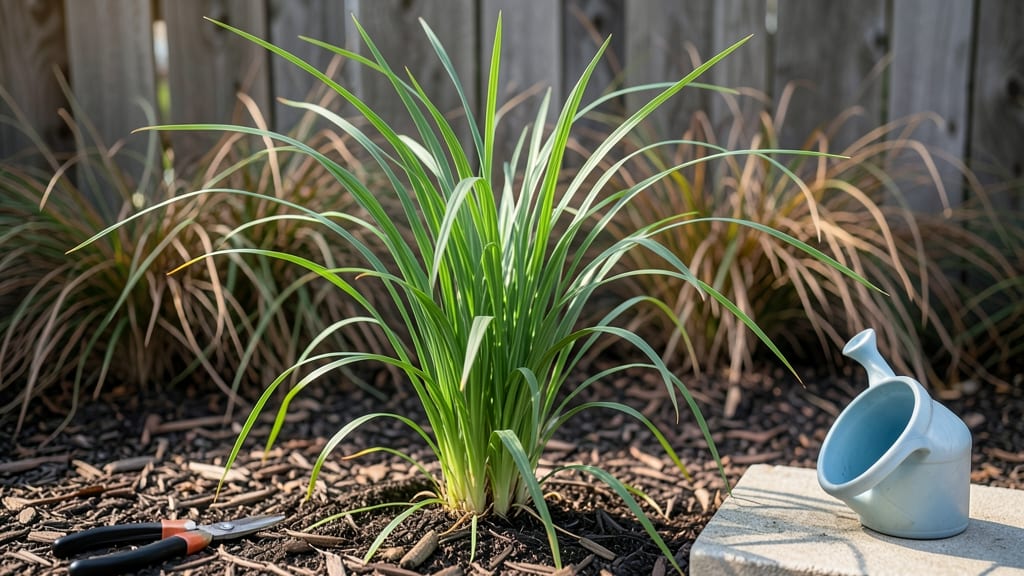
The delicate citronella grass flower brings summer breezes and mosquito-free evenings—here’s how I turned my balcony into a fragrant, buzz-free haven with this easy-to-grow plant. 🌿 The key is matching its tropical roots to your space, whether that’s a sunny patio or a windowsill.
This plant loves full sun (at least 6 hours daily) and well-draining soil mixed with sand or perlite. Water when the top inch feels dry, but avoid soggy roots—citronella hates wet feet. Propagation is easy too: divide clumps every 2-3 years or start from seed (though it’s slower).
You’ll harvest fragrant stems year-round for bouquets or mosquito-repelling sachets. The lemony scent intensifies as it matures, and the feathery flowers add texture to any garden. Just watch for aphids—spray with soapy water if they appear. Works in zones 9-11, but container growers can bring it indoors in cooler months.
Perfect for small spaces, eco-conscious gardeners, or anyone tired of chemical repellents. Let’s get your patch started!
📚 In This Guide
- What you need
- Instructions
- Tips and common mistakes
- Wrapping up and next steps
What you need
- ● Citronella grass seeds or young plants: Choose Cymbopogon nardus or Cymbopogon winterianus varieties. Buy 3–5 seeds or 2–3 nursery-grown plants for optimal fragrance.
- ● Containers or garden bed: Containers: 5–7 gallon pots (minimum 12" deep) with drainage holes. Use 3–5 containers for a small setup.
- ● Garden bed: Full sun exposure (6+ hours daily) and well-draining soil.
- ● Potting mix: Well-draining blend (e.g., 50% peat moss, 30% perlite, 20% coconut coir). Avoid heavy clay soil.
- ● Slow-release fertilizer: Balanced 10-10-10 or organic option (e.g., composted manure). Use 1 tbsp per plant at planting.
- ● Watering can or hose with gentle spray nozzle: Citronella hates soggy roots—aim for 1–1.5 inches of water per week.
- ● Gloves & knee pads: Protect your hands and joints during planting.
- ● Pruning shears: Trim dead or overgrown stems to encourage bushier growth.
- ● Mulch (straw or pine bark): Retains moisture and suppresses weeds. Apply a 2-inch layer around plants.
- ○ Mosquito-repelling companion plants (optional): Lavender, basil, or marigolds to amplify your fragrant oasis.
- ● pH test kit: Ideal soil pH: 6.0–7.0. Adjust with lime (to raise) or sulfur (to lower) if needed.
Step-by-step instructions for growing citronella grass in containers
Let’s create your fragrant, mosquito-repelling oasis—simple steps for lush, healthy citronella plants.
🌱 Step 1: Select the Right Container and Soil
Choose a container at least 12 inches deep with drainage holes—citronella has long roots and hates soggy soil. I use terracotta pots because they breathe and help prevent overwatering. Fill the bottom with 2 inches of gravel or perlite to improve drainage, then add a mix of 60% potting soil and 40% coarse sand or perlite for extra aeration.
Citronella thrives in well-draining soil, so avoid garden soil—it compacts and suffocates roots. Mix in a handful of compost for nutrients, but don’t overdo it; too much organic matter can make the soil too dense. Press the soil lightly to remove air pockets, then water until it’s evenly moist but not soggy.
🌿 Step 2: Plant the Citronella Cuttings or Seeds
If using cuttings, dip the base in rooting hormone to encourage growth, then plant them 2-3 inches deep in the soil. Space multiple plants 6-8 inches apart—citronella grows bushy and needs room to spread. For seeds, sow them ¼ inch deep and keep the soil warm and moist until germination, which takes 10-20 days.
Here’s the thing—citronella grows best in full sun, so place your container in a spot that gets at least 6-8 hours of direct sunlight daily. If you’re starting indoors, use a grow light to prevent leggy growth. Water gently after planting to settle the soil around the roots, but avoid soaking it.
☀️ Step 3: Water and Fertilize for Strong Growth
Water your citronella when the top inch of soil feels dry, but never let it sit in standing water. Overwatering is the fastest way to kill these plants—yellowing leaves or mushy stems mean you’re watering too much. I like to water deeply once a week, then let the soil dry slightly between waterings to encourage deep root growth.
Feed your plants every 4-6 weeks with a balanced liquid fertilizer (10-10-10) diluted to half strength. Citronella is a heavy feeder, so don’t skip this step—you’ll notice slower growth or pale leaves if it’s lacking nutrients. Stop fertilizing in late summer to prep the plant for dormancy.
✂️ Step 4: Prune and Maintain for Bushier Growth
Pinch back the tips of new growth when the plant is about 6 inches tall to encourage bushier, fuller growth. This is the moment that matters: pruning early prevents tall, weak stems. Use clean, sharp scissors to trim just above a leaf node, and always prune in the morning so the plant has time to recover.
Deadhead spent flowers to redirect energy into foliage growth, which is where the mosquito-repelling oils are strongest. I also trim any yellow or brown leaves immediately—they attract pests and drain the plant. In late fall, cut back the plant by half its height to prepare it for winter dormancy.
🪴 Step 5: Overwinter and Propagate for Next Year
Before the first frost, move your citronella indoors to a cool, bright spot or dig up the plant and store it in a container with dry soil in a garage or basement. Water sparingly—just enough to keep the soil from drying out completely. In late winter, trim back any dead growth and repot if needed before bringing it back outside in spring.
Here’s how to propagate: Take 4-6 inch cuttings from healthy stems in early spring, dip them in rooting hormone, and plant them in moist soil. Keep them warm and humid until roots form, which takes about 3-4 weeks. You’ll end up with multiple plants from one, and that’s the beauty of citronella—it multiplies easily!
Tips & tricks for perfect citronella grass flower growth
Here's what nobody tells you about growing fragrant, thriving citronella that actually repels mosquitoes.
Container Selection: The 12-inch depth requirement is non-negotiable—citronella roots grow aggressively downward. If you're using a shallower pot, your plant will become root-bound quickly, leading to stunted growth. I've seen people use decorative bowls without drainage, and within weeks, their plants developed root rot. Always check for drainage holes first, and consider adding extra perlite to the bottom layer if your container has minimal drainage.
Germination Strategy: For seeds, place your container in a warm spot (around 75°F) to speed up germination within the 10-20 day window. I use a seedling heat mat under my pots, which cuts germination time by nearly half. If you're impatient like me, you can also try the "wet paper towel method" first—wrap seeds in a damp paper towel, place in a sealed bag, and wait 3-5 days for sprouts before transplanting. This gives you a head start on the 10-20 day germination timeline.
Sunlight Secret: Those 6-8 hours of sunlight must be direct—partial shade won't cut it. I've noticed my citronella plants develop leggy, weak stems when they don't get enough light. If you're in a high-rise apartment, consider placing your container on a balcony with southern exposure. For indoor growers, supplement with a full-spectrum LED grow light 6 inches above the plants for 12 hours daily. The key is replicating natural sunlight intensity, not just duration.
Pruning Precision: When pinching back growth at the 6-inch mark, make your cuts just above a leaf node where new growth emerges. I always use clean pruning shears dipped in rubbing alcohol to prevent disease transmission. The morning timing is crucial—plants heal best during daylight hours. For spent flowers, deadhead regularly to maintain that strong citrusy aroma we're all after, which comes from the foliage, not the blooms.
Pro Tips for Citronella Grass Flower
- Here's what nobody tells you about growing fragrant, thriving citronella that actually repels mosquitoes.
- Container Selection: The 12-inch depth requirement is non-negotiable—citronella roots grow aggressively downward.
- Germination Strategy: For seeds, place your container in a warm spot (around 75°F) to speed up germination within the 10-20 day window.
Frequently asked questions
Can citronella grass flowers thrive in containers?
Citronella grass (Cymbopogon nardus) adapts well to containers as long as they’re at least 12 inches deep with drainage holes. Use well-draining soil and a pot wide enough for its clumping habit. Just ensure it gets 6+ hours of sun daily—containers dry out faster than ground soil!
How long does it take for citronella grass to flower and repel mosquitoes?
Citronella grass typically takes 3–6 months to mature from seed, while transplants may flower in 2–3 months. Once established, the fragrant foliage (not just flowers) deters mosquitoes naturally. For faster results, opt for nursery-grown plants—just pinch back leggy stems to encourage bushier growth!
What’s the best alternative if citronella grass flowers don’t grow in my climate?
If your zone is too cold (USDA Zone 9+), try these mosquito-repelling plants:
- Lemongrass (Cymbopogon citratus) – Hardier, similar scent, and edible!
- Rosemary or Lavender – Drought-tolerant perennials with dual purposes (cooking/herbs + pest control).
- Marigolds (Tagetes) – Bright flowers that confuse mosquitoes (great for borders).
Why aren’t my citronella grass flowers smelling strong?
Weak scent often means:
- Underwatering – Citronella loves moisture but hates soggy roots. Water when the top 1–2 inches of soil feel dry.
- Low sunlight – Move to a sunnier spot (or supplement with a grow light).
- Over-fertilizing – Too much nitrogen = leafy growth, not fragrant oils. Use a balanced 10-10-10 sparingly.
- Old plants – Revive by trimming back 1/3 of the plant in spring to encourage new growth.
Are citronella grass flowers toxic to pets or kids?
Generally non-toxic to dogs and cats, but:
- Large ingestions may cause mild stomach upset (like citrus). Monitor pets if they nibble.
- Safety tip: Keep out of reach of curious toddlers—citronella’s strong oils can irritate sensitive skin.
Wrapping up and next steps
Citronella grass flowers aren’t just stunning—they’re nature’s bug-repelling superstars! 🌿 With the right care, you can grow fragrant, mosquito-free beauty in containers, even in small spaces. Whether you’re a gardening newbie or a seasoned pro, this guide makes it easy to cultivate your own aromatic haven.
Ready to transform your patio or balcony? Start small—pick a sunny spot, grab your supplies, and plant your first citronella! Soon, you’ll be enjoying crush-worthy blooms and a yard buzzing with life (minus the pests). Happy growing! 🌸