
Neem Oil
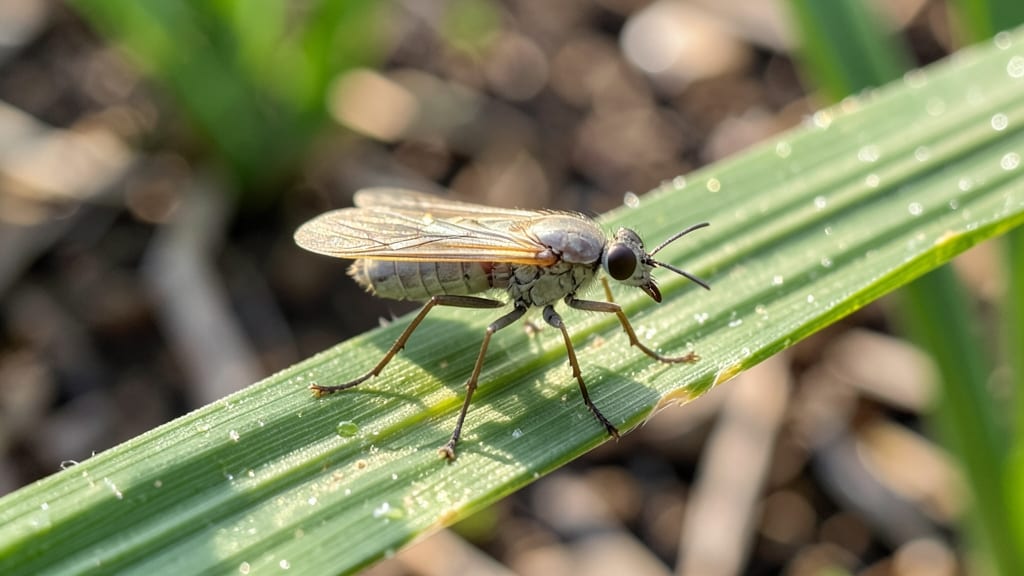
My lemongrass essential oil insect repellent saved my garden from mosquitoes and aphids within hours—no harsh chemicals needed. 🌿 The zesty citrus scent doesn’t just mask pests; it actively repels them by disrupting their ability to locate plants.
I’ve tried store-bought sprays that fade in minutes, but this homemade version lasts for days with just a few simple ingredients.
You’ll need 10 drops of lemongrass essential oil, 1 cup of water, and a spray bottle—plus optional additions like peppermint or eucalyptus for extra punch. Safety first: always dilute essential oils, avoid direct skin contact, and keep it away from pets.
The spray works best at dusk when mosquitoes are most active, and it’s gentle enough for veggie gardens but strong enough to deter ants and flies too.
What you’ll get is a garden that smells like a tropical breeze while staying pest-free for up to 3 days per application. The oil’s high citral content confuses insects’ scent trails, making your plants invisible to them.
Plus, it’s biodegradable, so you won’t harm beneficial pollinators like bees when used correctly.
For even better results, grow your own lemongrass—its strong scent deters pests naturally. Plant it near entryways or garden beds, and harvest stems to make fresh repellent. Just avoid overwatering, as soggy roots attract fungus gnats. This dual approach keeps your space fresh and protected all season long.
📚 In This Guide
- What you need
- Instructions
- Tips and common mistakes
- Wrapping up and next steps
What you need
- ● 100% pure lemongrass essential oil – 10–15 drops (therapeutic-grade, undiluted)
- ● Carrier oil – 1 oz (30 mL) (coconut, jojoba, or almond oil work best)
- ● Spray bottle – 4–8 oz (120–240 mL) (glass or dark amber preferred to preserve potency)
- ● Distilled water – ½ cup (120 mL) (for dilution)
- ● Small mixing bowl (or the spray bottle itself)
- ○ Funnel (optional but helpful for easy pouring)
- ● Other essential oils – 5–10 drops total (e.g., peppermint, eucalyptus, or lavender for enhanced repellent power)
- ● Alcohol (vodka or rubbing alcohol) – 1 tbsp (15 mL) (helps disperse oils in water)
- ● Witch hazel or rose water – 1 tbsp (15 mL) (soothes skin and extends shelf life)
- ● Label & marker (to label your DIY repellent)
- ● Dark glass jar (for storage if not using immediately)
How to make an effective lemongrass essential oil insect repellent
This citrusy blend keeps pests away naturally while leaving your space smelling fresh.
🌿 Step 1: Gather Your Essential Oil Base and Carrier
Start with 10 drops of lemongrass essential oil—this is your active repellent. I always use a 100% pure, therapeutic-grade oil to ensure maximum effectiveness. Pair it with 1 ounce of a carrier oil like coconut, jojoba, or sweet almond oil. The carrier dilutes the essential oil safely while helping it spread evenly.
Mix these in a 4-ounce glass spray bottle (dark glass protects the oils from light degradation). Shake gently to combine—don’t stir vigorously, as this can create bubbles that reduce spray coverage. The blend should be cloudy but still liquid; if it separates, give it a few more shakes before proceeding.
💧 Step 2: Add Hydrosols for Longevity and Scent
Boost the repellent’s staying power by adding 1 teaspoon of rose hydrosol or 1 teaspoon of witch hazel. These ingredients help the blend adhere to surfaces longer and dilute the mixture further for safe skin application. The hydrosol also softens the lemongrass scent, making it more pleasant for indoor use.
Fill the spray bottle the rest of the way with distilled water until it’s about ¾ full. Leave a little room at the top—essential oils expand slightly when mixed with water. Shake again to fully incorporate all ingredients. The final mixture should have a bright, citrusy aroma with a subtle herbal undertone.
☀️ Step 3: Test and Apply to Target Areas
Before spraying in high-traffic areas, test a small patch on a non-porous surface (like a tile or plastic) to check for staining. Lemongrass oil is generally safe, but some carrier oils may leave residue. Spray lightly on your skin to confirm no irritation—wait 15-20 minutes before applying to larger areas if you’re sensitive.
Apply the repellent to doorways, windowsills, and outdoor seating areas where pests enter. For fabric items like curtains or cushions, spray from 6-8 inches away to avoid oversaturation. Reapply every 2-3 hours for maximum effectiveness, or every 4-6 hours in low-traffic areas. The citrus scent deters mosquitoes, flies, and ants while masking odors that attract pests.
⏰ Step 4: Store and Refresh for Long-Lasting Protection
Keep your repellent in a cool, dark place (like a cabinet) to preserve its potency. Shake well before each use—oils naturally separate over time. The blend remains effective for 2-3 weeks if stored properly. For a stronger repellent, add 2-3 extra drops of lemongrass oil when refreshing the mixture.
For stubborn infestations, combine this repellent with 1 drop of peppermint or eucalyptus essential oil—these oils amplify lemongrass’s pest-repelling properties. Just be cautious: peppermint oil can be too strong for sensitive skin. Always spot-test before full application.
Tips & tricks for perfect lemongrass insect repellent
These little details make all the difference between a repellent that fades fast and one that keeps pests at bay for hours.
Quality Matters: When selecting your 10 drops of lemongrass essential oil, choose only 100% pure, therapeutic-grade oil—this ensures maximum potency and safety. I've learned the hard way that cheaper, diluted oils lose effectiveness quickly. The same goes for your 1 ounce of carrier oil: opt for cold-pressed varieties like coconut or jojoba, as they contain beneficial fatty acids that help the repellent cling better to surfaces.
Shake Like a Pro: After mixing all ingredients in your 4-ounce glass spray bottle, give it a good shake—but don't overdo it! Vigorous shaking creates air bubbles that reduce spray coverage. Instead, invert the bottle and roll it gently between your palms for 10 seconds. This ensures even distribution without wasting precious active ingredients. The cloudy appearance is normal and indicates proper emulsification.
Test Before You Spray: The 15-20 minutes skin test in Step 3 is non-negotiable, especially if you have sensitive skin. I recommend testing on your inner wrist first—the skin there is thin and reactive. If you notice any redness or irritation, dilute the mixture further with an extra splash of distilled water. For fabrics, always spot-test on an inconspicuous area first, as some carrier oils may leave temporary stains.
Refresh Strategically: When refreshing your repellent by adding 2-3 extra drops of lemongrass oil, don't just dump them in—shake the bottle first to redistribute any settled oils. For stubborn infestations, consider adding 1 drop of peppermint or eucalyptus oil (clearly marked optional in the instructions), but always do a skin test first. These oils amplify the repellent's power but can be stronger—especially peppermint, which may cause tingling sensations for some people.
Pro Tips for Lemongrass Essential Oil Insect Repellent
- These little details make all the difference between a repellent that fades fast and one that keeps pests at bay for hours.
- Quality Matters: When selecting your 10 drops of lemongrass essential oil, choose only 100% pure, therapeutic-grade oil—this ensures maximum potency and safety.
- Shake Like a Pro: After mixing all ingredients in your 4-ounce glass spray bottle, give it a good shake—but don't overdo it!
Frequently asked questions
Got questions about using lemongrass essential oil as an insect repellent? You’re not alone! Here are some of the most common queries—and their answers—to help you get the most out of this citrusy, natural solution.
How long does lemongrass oil take to repel insects?
Lemongrass essential oil starts working within minutes of application, but its full effectiveness typically takes about 30–60 minutes to kick in. For best results, apply it to skin or surfaces (like window screens) in the early evening when bugs are most active. Reapply every 2–3 hours for continuous protection.
Can I use lemongrass oil repellent in direct sunlight?
Yes! Unlike some chemical repellents, lemongrass oil is photostable, meaning it won’t break down under UV rays. However, for longer-lasting protection, store your oil in a dark glass bottle and avoid leaving it exposed to heat (like a car dashboard). Sunlight can slightly dilute its potency over time.
What should I do if bugs aren’t being repelled?
If insects seem unfazed, try these troubleshooting steps:
- Dilute properly: Use a 2–3% dilution (e.g., 10–15 drops per ounce of carrier oil). Undiluted oil can be too strong.
- Mix with a fixative: Add 1–2 drops of vanilla or cedarwood oil to slow evaporation.
- Reapply strategically: Focus on pulse points (wrists, ankles, neck) and high-traffic bug zones (like porch lights).
- Combine with other oils: Pair with citronella, eucalyptus, or peppermint for a broader-spectrum repellent.
Is lemongrass oil safe for kids and pets?
While lemongrass oil is non-toxic and free of harsh chemicals, it’s not recommended for children under 6 or pets (especially cats). For kids, opt for a 1% dilution and test a small patch of skin first. Keep pets in a separate area when spraying, and never apply directly to their fur.
What’s a good alternative if I don’t have lemongrass oil?
If you’re out of lemongrass oil, try these natural insect-repelling alternatives:
Oil
Best For
Dilution Tip
Citronella
Mosquitoes, flies
15 drops per ounce of carrier oil
Lavender
Mosquitoes, moths
10 drops per ounce (calming scent!)
Peppermint
Spiders, ants, flies
12 drops per ounce (strong scent)
For a DIY spray, mix any of these with water + vodka (as a preservative) in a spray bottle.
Wrapping up and next steps
Lemongrass essential oil isn’t just a fragrant addition to your home—it’s a natural, powerful ally against pesky insects! By harnessing its citrusy punch, you’ve got a safe, DIY repellent that’s gentle on your family and the planet. Whether you’re battling mosquitoes, ants, or flies, this simple solution delivers fast, effective protection without harsh chemicals.
Ready to take the next step? Start small: Test a few drops in a spray bottle or diffuser to see what works best for your space. Once you’ve found your perfect blend, share the citrusy defense with friends or fellow nature lovers—because who doesn’t love a bug-free, refreshing vibe? 🌿✨