
Lawn
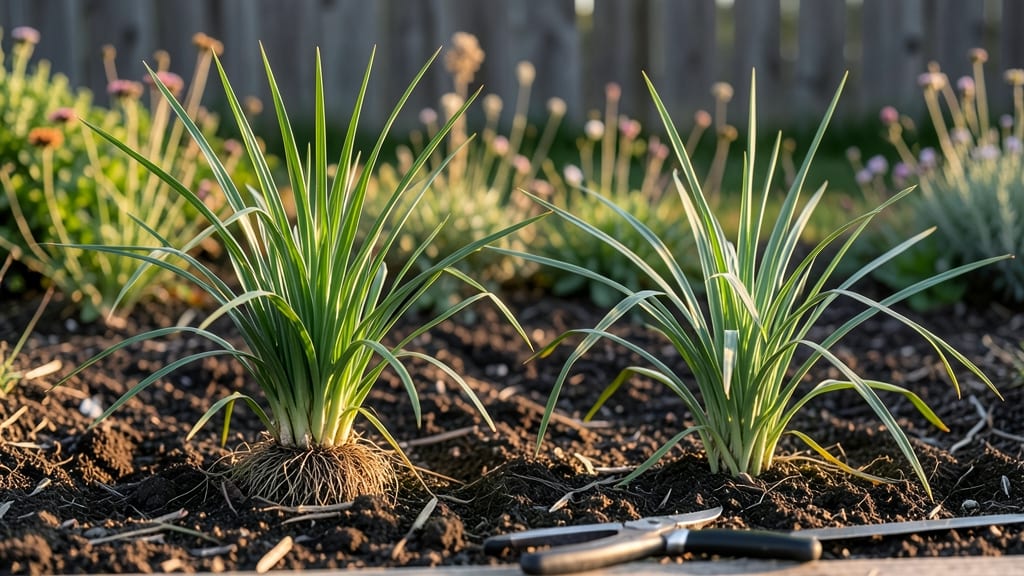
The difference between citronella grass and lemongrass might surprise you—both smell like summer in a bottle, but they’re not the same plant. 🌿 I’ve grown both in my backyard, and while they share the same family, their uses, care, and even their scent intensity couldn’t be more... different.
One’s a mosquito magnet, the other a kitchen staple, and mixing them up could ruin your dinner—or your pest control. Citronella (Cymbopogon nardus) thrives as a tall, clumping grass with narrow, arching leaves that release a strong, citrusy fragrance when crushed.
It’s all about those mosquito-repelling oils, making it the perfect border plant for patios or decks. But here’s the catch: it’s not cold-hardy—frost will kill it, so treat it as an annual in cooler climates.
Lemongrass (Cymbopogon citratus), on the other hand, is the culinary superstar with a milder, sweeter lemon scent. Its leaves are wider and more upright, and it grows in tight clumps that spread slowly.
Unlike citronella, it’s tender but adaptable, surviving in zones 9-11 but often grown as a potted plant elsewhere. The stalks are what you’ll find in Thai soups and teas, while the leaves add zing to stir-fries.
The real test? Crush a leaf: citronella smells like a strong, sharp lemon-lime, while lemongrass has a softer, floral lemon aroma. Plant citronella where bugs gather, and lemongrass where you cook—or do both, and enjoy the best of both worlds.
The first product explained
Meet Citronella Grass—your garden’s natural mosquito-repelling superstar! 🦟✨ This aromatic, fast-growing perennial is a staple for outdoor spaces, blending effortlessly into landscapes while keeping pesky bugs at bay. Let’s dive into what makes this plant a must-have for your yard, patio, or balcony.
🌱 Specs & Features
- Scientific Name: Cymbopogon nardus (or Cymbopogon winterianus for the more potent variety)
- Type: Tall, clumping grass (grows 3–6 feet tall)
- Hardiness: Thrives in USDA Zones 9–11; may die back in colder climates but regrows from roots
- Sunlight Needs: Full sun (6+ hours daily) for optimal growth and oil production
- Soil Preference: Well-draining, slightly acidic to neutral soil (pH 5.5–7.0)
- Growth Rate: Fast-spreading but manageable with pruning
- Fragrance: Strong, citrusy scent (like a mix of lemon and ginger) that repels mosquitoes, flies, and ants
- Lifespan: Perennial in warm climates; can be grown as an annual in cooler regions
🎯 Target Users
Citronella grass is perfect for:
- 🏡 Homeowners: Ideal for borders, hedges, or containers near patios, decks, or pool areas
- 🌿 Eco-conscious gardeners: A chemical-free, natural alternative to bug sprays
- 🛡️ Outdoor enthusiasts: Campers, hikers, or anyone who loves spending time outdoors without the buzz of mosquitoes
- 💡 DIYers: Easy to grow from cuttings or seeds; great for beginners
- 🏨 Renters or small-space gardeners: Thrives in pots (12"+ diameter) on balconies or porches
💰 Price Point & Where to Buy
Citronella grass is budget-friendly and widely available:
| Format | Price Range (USD) | Where to Find It |
|---|---|---|
| Live plants (nursery) | $5–$15 per plant | Local garden centers, Home Depot, Lowe’s, or specialty nurseries |
| Seeds | $2–$8 per packet | Online (Amazon, Etsy), seed catalogs, or garden stores |
| Potted plants (6"+) | $8–$20 | Garden centers, farmers' markets, or online retailers |
Pro Tip: 💡 Buy in early spring or late summer for the best selection and root establishment!
The second product explained
Meet the zesty superstar of the herb world—lemongrass! 🌿✨ If you’re looking for a fragrant, versatile plant that’s as easy to grow as it is useful, lemongrass might just be your new garden MVP. Unlike its mosquito-repelling cousin, citronella grass, lemongrass is prized for its bold citrusy aroma, culinary versatility, and health benefits. Here’s everything you need to know about this tropical powerhouse.
🌱 Specs & Features
Lemongrass (Cymbopogon citratus) is a tall, clumping grass that thrives in warm climates (USDA zones 9–11) but can also be grown in containers in cooler regions. Here’s what sets it apart:
- Height: 3–6 feet tall (perfect for borders or pots!)
- Aroma: Bright, lemony-citrus scent (think Thai curry or Gin & Tonic vibes!)
- Growth Habit: Forms dense clumps; spreads slowly via rhizomes.
- Sunlight: Full sun (6+ hours/day) for maximum potency.
- Soil: Well-draining, slightly acidic to neutral (pH 5.5–6.5).
- Hardiness: Tender perennial (dies back in frost but regrows from roots).
👩🍳 Target Users
Lemongrass is a must-have for:
- 🍛 Home cooks: Essential for Thai, Vietnamese, and Latin American dishes (e.g., soups, teas, marinades).
- 🌿 DIYers: Used in homemade candles, soaps, and natural cleaning products.
- 💆 Health enthusiasts: Infusions for digestion, stress relief, and immune support.
- 🌱 Gardeners: Low-maintenance, drought-tolerant once established.
- 🐝 Eco-conscious folks: Attracts pollinators and repels some pests (though not as strongly as citronella).
💰 Price Point & Availability
Lemongrass is budget-friendly and widely available:
- Seeds: $2–$5 per packet (germination can be tricky; consider starter plants).
- Live plants: $3–$8 each (check local nurseries or online retailers like Etsy or Burpee).
- Dried stalks: $4–$10 per bunch (grocery stores, Asian markets, or Amazon).
- Pro tip: 💡 Buy organic when possible to avoid pesticides—lemongrass absorbs flavors (and chemicals!) easily.
🌟 Why Choose Lemongrass Over Citronella?
While citronella grass is the go-to for mosquito control, lemongrass shines in:
- 🍋 Culinary uses (far more versatile in cooking).
- 🌿 Aesthetic appeal (taller, more ornamental).
- 💊 Health benefits (antimicrobial, anti-inflammatory properties).
- 🌱 Year-round growth in warm climates (citronella is often seasonal).
That said, for pure pest control, pair lemongrass with citronella or other repellents like lavender or basil.
Head-to-head comparison
Now that you’ve got the basics down on citronella grass and lemongrass, let’s dive into a side-by-side comparison to help you decide which one fits your garden (or your goals) best!
Whether you’re chasing away mosquitoes, whipping up a fragrant dish, or just adding greenery to your space, these two plants have distinct strengths. Here’s how they stack up across key categories:
🌿 1. Primary Uses: What Are They Best For?
Citronella grass and lemongrass may share a citrusy aroma, but their superpowers differ wildly.
- Citronella Grass:
- 🦟 Mosquito Repellent: The top choice for natural bug control. Its high citronella oil content makes it a garden staple for outdoor spaces like patios, decks, and near windows.
- 🌱 Ornamental: Grown for its tall, clumping foliage and pleasant scent. Often used in tropical-themed gardens or as a living border.
- ⚠️ Limited Culinary Use: While edible, its flavor is bitter and grassy, making it less popular in cooking compared to lemongrass.
- Lemongrass:
- 🍛 Culinary Star: A must-have in Asian cuisines (think Thai curries, Vietnamese pho, or Indian biryanis). Its bright, citrusy flavor adds depth to dishes.
- 💆 Health & Wellness: Used in teas, essential oils, and even homemade remedies for digestion or relaxation. Its anti-inflammatory properties are well-documented.
- 🦟 Mild Bug Repellent: While it does deter some pests, it’s not as potent as citronella. Better suited for indoor use or as a secondary defense.
🌱 2. Growth & Maintenance: Low-Effort or Hands-On?
If you’re the type who forgets to water plants or prefers a “plant it and forget it” vibe, this section is for you.
| Factor | Citronella Grass | Lemongrass |
|---|---|---|
| Growth Habit | Grows in tall, dense clumps (3–6 feet tall). Spreads slowly via rhizomes. | Forms tight, grass-like bunches (2–4 feet tall). Rarely spreads aggressively. |
| Sunlight Needs | Thrives in full sun (6+ hours/day). Can tolerate partial shade but may lose potency. | Prefers full sun to partial shade. More adaptable to indoor pots with bright light. |
| Watering | Moderate watering—keep soil moist but not soggy. Drought-tolerant once established. | Needs consistent moisture, especially in pots. Dries out faster than citronella. |
| Soil Preferences | Adaptable but prefers well-draining, slightly acidic soil (pH 5.5–6.5). | Thrives in moist, fertile soil. Can grow in containers with potting mix. |
| Hardiness Zones | Annual in cold climates (Zones 9–11). Often grown as a summer plant in cooler areas. | Tender perennial (Zones 9–11). Can be overwintered indoors or as a houseplant. |
| Pruning Needs | Trim dead or yellowing leaves regularly to encourage bushiness. Cut back in late winter. | Harvest outer stalks to encourage new growth. Remove flower stalks to focus energy on leaves. |
💡 Pro Tip: If you’re growing both, plant citronella grass near seating areas for maximum bug-repelling power, while lemongrass can live in pots on your kitchen windowsill for easy harvesting!
💰 3. Cost: Pocket-Friendly or Splurge-Worthy?
Your wallet might thank you for choosing one over the other—here’s the breakdown:
- Citronella Grass:
- 🌱 Seeds/Plants: $2–$5 per plant or packet of seeds. Often sold in bulk for garden centers.
- 💊 Essential Oil: $10–$20 for 1 oz (pure citronella oil is pricier than lemongrass oil).
- 🔥 DIY Savings: Growing your own is cheaper long-term for repellent sprays or sachets.
- Lemongrass:
- 🌱 Seeds/Plants: $3–$8 per plant (often more expensive than citronella). Starter plants are common in grocery stores or Asian markets.
- 💊 Essential Oil: $8–$15 for 0.5 oz (higher quality oils cost more).
- 🍛 Culinary Cost: Buying fresh lemongrass at stores can be pricey ($1–$3 per stalk), making home growth a smart move for frequent cooks.
💡 Pro Tip: If you’re on a budget, lemongrass is the better investment for dual-purpose use (cooking + wellness). Citronella is cheaper upfront but may require more frequent replanting in colder climates.
🛡️ 4. Durability & Longevity: How Long Will They Last?
Some plants fade faster than a summer tan—here’s how these two hold up over time.
- Citronella Grass:
- 🌡️ Lifespan: Perennial in warm climates (3–5 years with proper care). Often treated as an annual in cooler areas.
- ❄️ Cold Sensitivity: Dies back in frost (Zones below 9). Can be replanted yearly or grown in containers for winter storage.
- 🐛 Pest Resistance: Generally low-maintenance but can attract aphids or fungal issues in humid conditions.
- Lemongrass:
- 🌡️ Lifespan: Perennial in warm zones (2–4 years if well-cared-for). Often harvested until it declines.
- ❄️ Cold Sensitivity
Which one should you choose?
So, which grass should you bring home to your garden or kitchen? The choice between citronella grass and lemongrass depends on your goals—whether you're battling pests, spicing up meals, or adding a fragrant touch to your space. Here’s a quick verdict to help you decide:
🌿 Pick Citronella Grass If:
- 🚫 Bugs are your enemy: Citronella is the MVP for repelling mosquitoes, flies, and even ants. Plant it around patios, decks, or near windows to enjoy a natural, chemical-free barrier.
- 🌱 You love low-maintenance plants: It thrives in warm climates, needs minimal care, and spreads easily—perfect for filling in gaps or creating a fragrant hedge.
- 💡 You’re DIY-ing natural remedies: From homemade candles to insect repellent sprays, citronella’s strong scent makes it a versatile choice for handmade projects.
🍋 Pick Lemongrass If:
- 🍛 Flavor is your focus: Lemongrass is a culinary superstar in Thai, Vietnamese, and Caribbean dishes. Snip a stalk for soups, curries, or teas—its citrusy punch is unmatched.
- 💆♂️ You want health perks: Packed with antioxidants, vitamins, and anti-inflammatory properties, lemongrass is great for teas, smoothies, or even homemade skincare.
- 🏡 You’re decorating with purpose: Its elegant, upright form and pleasant aroma make it a stylish (and functional) addition to pots or garden borders.
🌟 Pro Tip for Both:
Why not have both? Citronella and lemongrass can coexist in your garden—plant citronella near seating areas for pest control and lemongrass in pots by the kitchen for easy access. 💡 Double the benefits, double the joy!
Still unsure? Grab a small pot of each and test them out! Whether you’re chasing bugs away or whipping up a zesty stir-fry, these grasses are winners in their own right. Happy gardening! 🌱✨