
Lawn
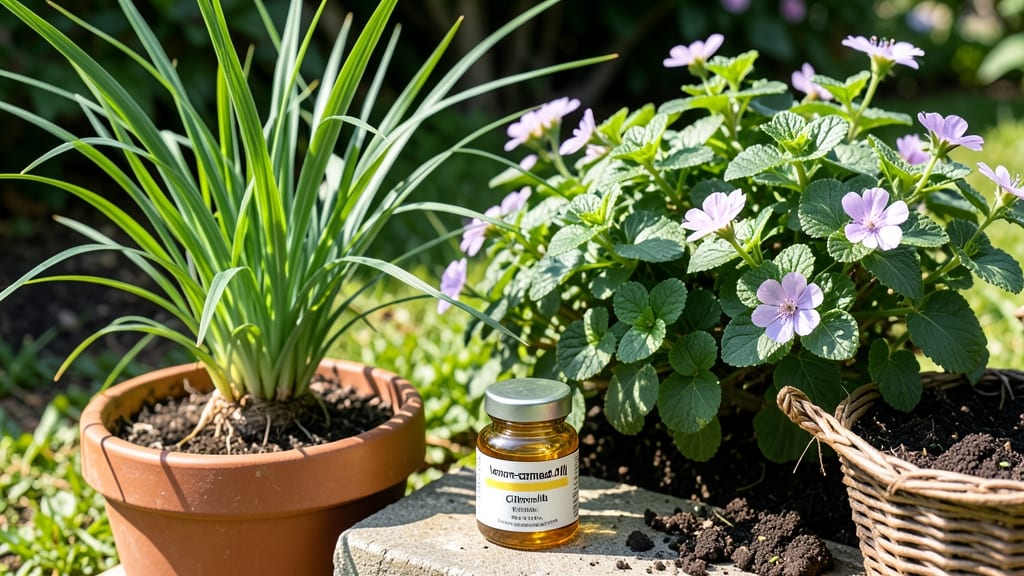
Lemon grass and citronella are not the same: lemon grass (Cymbopogon citratus) has a stronger, lemony aroma and culinary uses, while citronella (Cymbopogon nardus) is primarily used for insect repellent and has a sharper, more herbal scent. Both are tropical grasses but belong to different species with distinct properties.
These tropical grasses share the same genus but serve completely different purposes. 🌿 Lemon grass shines in kitchens, where its bright citrus notes elevate Thai soups, curries, and even cocktails, while citronella's stronger herbal punch makes it the go-to for outdoor pest control.
The key difference lies in their chemical makeup—lemon grass contains more citral (the compound responsible for lemon scent), whereas citronella's geraniol content gives it that sharp, camphor-like aroma that repels mosquitoes.
If you're growing them at home, lemon grass thrives in containers near the stove, while citronella needs full sun and space to spread its mosquito-deterring power.
For gardeners and cooks alike, understanding these distinctions means you can use each plant exactly where it excels. 💫 Lemon grass won't keep bugs away, and citronella won't flavor your stir-fry—so knowing which is which saves time, money, and frustration.
💡 In This Article
- Botanical and Chemical Differences Between Lemon Grass and Citronella
- Practical Uses and Growing Tips for Lemon Grass vs Citronella
Botanical and chemical differences between lemon grass and citronella
The first key difference lies in their scientific classification. Both belong to the Cymbopogon genus, but lemon grass (Cymbopogon citratus) and citronella (Cymbopogon nardus) are distinct species with unique chemical profiles.
Lemon grass contains 60-80% citral (a mix of geranial and neral), giving it that bright, citrusy aroma we love in cooking.
Citronella, on the other hand, has 30-50% geraniol and 20-30% citronellal, creating its sharper, more herbal scent that repels insects. 🌿 These compounds aren't just different—they serve entirely different purposes in nature and human applications.
When you crush the leaves, the contrast becomes even more striking. Lemon grass releases a lemony, almost floral scent that lingers in the air, while citronella emits a stronger, camphor-like aroma that's more pungent and earthy.
The chemical difference explains why lemon grass tastes delicious in Thai tom yum soup (where its citrus notes balance spicy chili) while citronella's scent makes it effective in candles and sprays designed to keep mosquitoes away.
The molecular structure of citral in lemon grass interacts with taste receptors differently than geraniol in citronella, which is why one enhances flavor while the other repels pests.
Growth habits also reflect these chemical differences. Lemon grass grows in tight, dense clumps with long, slender leaves that reach 3-5 feet tall when mature, making it ideal for small pots near kitchens.
Citronella, however, spreads wider with more branching stems and grows 4-6 feet tall, perfect for borders or larger garden spaces where its pest-repelling properties can work effectively.
The taller, bushier structure of citronella helps disperse its aromatic oils more broadly, while lemon grass's concentrated growth makes it easier to harvest for culinary use. 🌱
The chemical composition also affects how each plant interacts with its environment. Lemon grass's citral content makes it more resistant to fungal infections, which is why it thrives in humid tropical conditions where cooking herbs often struggle.
Citronella's geraniol, however, has natural antimicrobial properties that help protect the plant from pests while also repelling insects that might harm nearby crops. This dual functionality explains why citronella is often planted around vegetable gardens—not just for its scent, but for its protective qualities.
What's fascinating is how these differences play out in practical applications. For example, when used in essential oils, lemon grass's citral content makes it popular in aromatherapy for its uplifting, citrusy effects, while citronella's geraniol is specifically sought after for its mosquito-repelling properties.
The 30% difference in citral content between the two plants means lemon grass is always the better choice for cooking, while citronella's higher geraniol levels make it the superior insect deterrent. These aren't just minor variations—they're fundamental differences that shape how we use each plant.
If you've ever wondered why your homemade citronella candles don't work as well as store-bought ones, the answer lies in these chemical differences. Commercial repellents often use Java citronella (Cymbopogon winterianus), which contains even higher levels of geraniol and citronellal than the common variety.
This is why some gardeners swear by Java citronella for stronger pest control—it's not just about the plant, but about the precise chemical makeup that makes each variety unique. 💡