
Pests
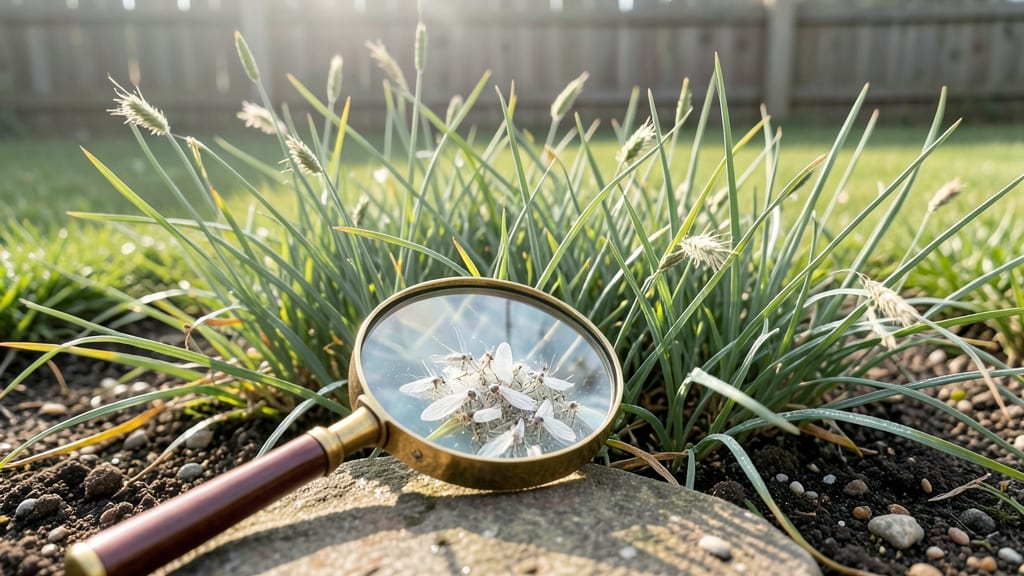
White flies in grass aren’t just a nuisance—they’re a fast-spreading nightmare that turns lush lawns into sticky, yellowing messes in days. 🌱 I’ve battled them after a single infestation took over my entire backyard, and what I learned changed how I protect my grass forever.
These tiny white pests aren’t just on ornamental plants; they thrive in grass, especially during hot, dry spells, and without quick action, they’ll ruin your yard’s health.
The problem starts when they cluster on grass blades, sucking out sap and leaving behind a sticky residue called honeydew that attracts mold and weakens the grass.
Most people assume white flies only target flowers or vegetables, but they’re just as destructive in lawns—especially if your grass is already stressed from drought or poor maintenance. The good news? You can eliminate them naturally in 24 hours with the right approach, without harsh chemicals that harm your lawn.
By tomorrow morning, you can have a lawn that looks and feels healthy again—no more sticky footprints, no more wilting patches, and no more pests clinging to every blade.
The key is acting fast with a mix of physical removal, natural predators, and simple lawn care tweaks that make your grass less inviting to these pests. Once you see how quickly they respond, you’ll never ignore that first sign of white flies again.
This method works for any grass type, from Bermuda to fescue, and even prevents future infestations if you adjust your watering and mowing habits. No more guessing what’s wrong with your lawn—just a clear, step-by-step plan to keep it thriving.
Let’s get started on turning your grass back into the green, pest-free paradise it should be.
Root Causes Of Grass Whiteflies
Understanding why whiteflies invade your grass—and how to stop them—starts with identifying the key factors that attract these tiny, winged pests. Whiteflies in grass aren’t just random visitors; they’re drawn by specific conditions that create the perfect breeding ground.
Let’s break down the science behind their infestation so you can address the problem at its source.
Whiteflies thrive in damp, soggy environments because excess moisture creates ideal conditions for their larvae to develop. Here’s why:
- Stagnant Water Traps Larvae: Whitefly eggs and nymphs (baby whiteflies) need moisture to survive.
If your grass stays wet for extended periods—whether from overwatering, poor drainage, or heavy dew—you’re essentially creating a buffet for these pests. - Fungal Growth Attracts Them: Damp grass often leads to fungal infections (like Fusarium or Rhizoctonia), which whiteflies are drawn to.
The fungi provide both shelter and food for their larvae. - Root Stress Weakens Defense: Overwatered grass develops weak roots, making it easier for whiteflies to feed on sap without resistance.
Actionable Fix:
- Test your soil’s drainage—dig a small hole in your lawn and fill it with water. If it drains slowly (more than 6 hours), amend the soil with sand or organic matter.
- Water deeply but less frequently—aim for 1–1.5 inches per week, allowing the topsoil to dry slightly between sessions.
- Fix irrigation issues—adjust sprinklers to avoid overspray on sidewalks or driveways, which can funnel water back into the lawn.
Healthy grass repels pests naturally, but when your lawn is under stress, whiteflies see an opportunity. Common stressors include:
- Nutrient Deficiencies: Lack of nitrogen, phosphorus, or potassium weakens grass, making it easier for whiteflies to pierce stems and feed on sap.
- Disease or Pest Damage: Previous infestations (like grubs or fungal infections) create entry points for whiteflies, which exploit compromised plants.
- Compacted Soil: Poor aeration restricts root growth, leading to yellowing or thinning grass—both signals to whiteflies that the turf is vulnerable.
Actionable Fix:
- Fertilize appropriately—use a slow-release, balanced fertilizer (e.g., 16-4-8) in early spring or fall to boost grass resilience.
- Aerate compacted soil—rent a core aerator to create holes for roots to expand, improving nutrient uptake.
- Treat existing diseases—apply fungicides like propiconazole if you spot brown patches or powdery mildew.
Whiteflies are tropical pests at heart, and they flourish when temperatures and humidity align with their preferences:
- Ideal Temperature Range: They thrive between 75–90°F (24–32°C).
If your region experiences long summer heatwaves, your lawn becomes a whitefly hotspot. - High Humidity Boosts Reproduction: Humidity above 60% increases their egg-laying rate and survival of nymphs, which are sensitive to drying out. - Sunlight Exposure: Whiteflies prefer shaded or partially shaded areas where grass is softer and more susceptible to their feeding.
Actionable Fix:
- Mow higher in heat—set your lawnmower to 3–4 inches to shade soil and retain moisture.
- Use shade cloth—if your lawn has hotspots, temporary shade (30–50% coverage) can deter whiteflies.
- Time outdoor activities—if you’re treating your lawn, do it in the early morning or late evening when whiteflies are less active.
Whiteflies don’t just target grass—they also feed on weeds, flowers, and other plants. If your lawn borders:
- Weeds like clover or chickweed (common whitefly hosts).
- Ornamental plants (e.g., hibiscus, impatiens, or poinsettias).
- Vegetable gardens (especially tomatoes, peppers, or squash).
…they’ll migrate to your grass when these plants become overrun. Whiteflies are mobile and can fly up to 1–2 miles in search of food!
Actionable Fix:
- Remove weeds systematically—pull or spray weeds with vinegar-based herbicides (for non-organic control) or boiling water (for organic).
- Prune overgrown plants—trim back dense foliage to reduce hiding spots.
- Use reflective mulch—lay down silver or aluminum mulch near garden edges to deter whiteflies with light reflection.
In a balanced ecosystem, whiteflies are kept in check by predators like:
- Ladybugs (devour whitefly larvae).
- Lacewings (eat eggs and nymphs).
- Parasitic wasps (lay eggs inside whitefly pupae).
- Birds (e.g., sparrows or wrens that snack on adults).
If your lawn lacks these helpers—due to pesticide use or habitat loss—whitefly populations explode unchecked.
Actionable Fix:
- Avoid broad-spectrum pesticides—they kill beneficial insects along with pests. Opt for neem oil or insecticidal soap instead.
- Install a predator-friendly garden—plant dill, fennel, or yarrow to attract ladybugs and lacewings.
- Add a small water source—a shallow dish with pebbles and water encourages predatory insects to stay.
Whiteflies can hitchhike on:
- Lawn equipment (mowers, rakes, or aerators contaminated with infested soil).
- Compost or mulch (if sourced from areas with whitefly activity).
- Wind or water flow (e.g., sprinklers carrying eggs from one yard to another).
Actionable Fix:
- Clean tools thoroughly—spray mower blades and rakes with 70% isopropyl alcohol after use.
- Quarantine new soil amendments—inspect mulch or compost for signs of whiteflies before applying.
- Isolate infested areas—if you’re treating a section, cover it with floating row covers to prevent spread.
Quick Fixes for Tiny Grass Invaders
Now that you understand why those pesky white flies are crashing your lawn party, it’s time to kick them out for good! These solutions tackle the problem head-on, whether you’re dealing with a sudden outbreak or trying to prevent future infestations.
Below, we’ve mapped out practical, fast-acting fixes based on the root cause—so you can reclaim your grass in 24 hours or less (or keep it that way long-term).
🔥 Step 1: Knock ‘Em Out with Soap & Water (Safe & Fast)
White flies hate soap—it disrupts their waxy outer layer and dehydrates them.
Mix: - 1 tbsp mild liquid dish soap (like Dawn) - 1 quart warm water - Optional: A few drops of neem oil (for extra pest-repelling power)
How to apply:
- Spray directly on the grass blades where flies are clustered (early morning or late evening for best results).
- Focus on hotspots—areas with yellowing grass or sticky residue (honeydew).
- Reapply every 2–3 days until flies vanish (usually 3–5 days).
✨ Pro Tip: Use a hose-end sprayer for even coverage on larger lawns. Avoid harsh chemicals if kids or pets play in the area.
🍳 Step 2: Yellow Sticky Traps (Catch ‘Em Alive)
If soap isn’t enough, lure and trap the flies with yellow sticky cards. These mimic the color of young grass and attract white flies like a bug buffet.
How to set up:
- Buy pre-made sticky traps (or DIY with yellow cardboard + Tanglefoot glue).
- Place traps 1–2 inches above the grass in infested areas.
- Check daily and replace when full (they’ll be packed in 24–48 hours).
💡 Bonus Hack: Hang traps near window sills or patios to catch stragglers before they lay eggs.
👨🍳 Step 3: Diatomaceous Earth (DE) Dust (Natural & Long-Lasting)
For hidden larvae in the soil, food-grade DE is a game-changer. This fine powder dries out insects without harming plants.
How to use:
- Sprinkle lightly over the grass (focus on damp areas where larvae thrive).
- Water lightly afterward to help it settle into the soil.
- Reapply after rain (DE washes away).
⚠️ Warning: Avoid breathing in DE—wear a mask when applying.
🔪 Step 4: Trim & Tidy Up (Remove Their Hideouts)
White flies love dense, overgrown grass—it’s their perfect nesting spot. Cut back on:
- Tall grass (keep at 2–3 inches).
- Weeds & clover (they attract flies).
- Dead plant debris (remove leaf litter where eggs hide).
🌡️ Pro Tip: Mow regularly and aerate your lawn every 6–12 months to improve airflow and discourage pests.
🎯 Step 5: Beneficial Nematodes (Nature’s Pest Control)
These microscopic worms hunt white fly larvae without chemicals. Easy to apply: 1. Buy beneficial nematodes (like Steinernema feltiae).
- Mix with water and apply with a hose in the evening (they die in sunlight).
- Water lightly afterward to help them move into the soil.
✨ Flies disappear in 1–2 weeks as nematodes feast on larvae.
🛡️ Step 6: Plant Repellent Companions
Some plants confuse or deter white flies. Add these to your lawn edges:
- Marigolds (release a scent flies hate).
- Basil or Mint (strong fragrance repels insects).
- Garlic or Onion Chives (natural insect deterrent).
💡 Smart Move: Plant these in containers if you don’t want them spreading.
| Task | Frequency | Why It Works |
|---|---|---|
| Inspect lawn weekly | Every 7–10 days | Catch eggs/honeydew early. |
| Reapply soap spray | Every 3–5 days | Keeps adult flies from returning. |
| Check traps | Daily (if using) | Prevents reinfestation. |
| Aerate soil | Spring & Fall | Reduces moisture buildup (flies love dampness). |
| Rotate repellent plants | Seasonally | Keeps flies guessing. |
Final Thought: White flies may be tiny, but they’re no match for a soap spray, sticky traps, and a little lawn TLC. Start with one or two methods, monitor progress, and scale up if needed.
In 24–48 hours, you’ll see a dramatic drop in fly numbers—and in a week, your grass will be fly-free! 🚀
Frequently asked questions
Can whiteflies actually harm my grass permanently?
They won't kill grass outright, but severe infestations can cause long-term damage by weakening roots through sap-sucking. The real danger comes from their sticky honeydew residue, which fosters sooty mold growth that blocks sunlight and smothers grass blades. If left untreated for weeks, you may see patches of yellowing or thinning grass that recover slowly even after the flies are gone.
Why do whiteflies seem to appear overnight?
Whiteflies reproduce exponentially—a single female can lay 200-400 eggs in her lifetime, and eggs hatch in just 5-10 days under warm conditions. Their wings make them highly mobile, so they can spread quickly between lawns. What you see as a sudden outbreak is likely the result of eggs laid 2-3 weeks earlier that you missed during routine inspections.
Will my neighbor's lawn treatment affect my grass?
Absolutely—whiteflies can travel 1-2 miles in search of food, and chemical treatments (even organic ones) can drift. If your neighbor sprays pesticides, the residue might kill beneficial predators like ladybugs in your lawn, making your grass more vulnerable. Always coordinate with neighbors or use physical barriers like floating row covers during treatment to protect your ecosystem.
How can I tell if my grass has whitefly larvae vs. adult flies?
Adult whiteflies are tiny (1/16 inch), white, and fly away when disturbed. Larvae are sessile (don't move), yellow or green, and clustered on grass blades or stems. Look for sticky residue (honeydew) on blades—this confirms larvae are present, as adults don't produce it. Use a hand lens if you're unsure, as larvae are often hidden on the undersides of grass blades.
Is it safe to use neem oil on grass with pets?
Neem oil is pet-safe when used correctly, but take precautions: apply in the evening when pets aren't on the lawn, and avoid overspraying. The oil breaks down quickly in sunlight, so rinse treated areas with water after 24 hours if pets will be on them soon. Always test a small patch first—some grasses may show temporary yellowing from the oil's natural compounds.