
How To
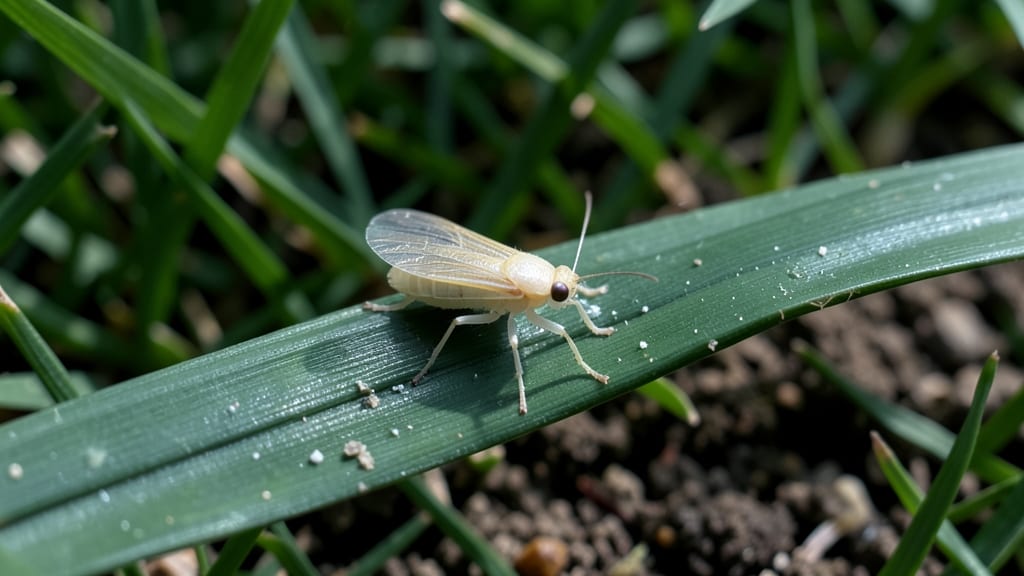
Whiteflies swarming your grass can feel like a losing battle—until you try these fast-acting natural sprays that actually work. ✨ I’ve battled them in my lawn for years, and these solutions cut infestations in half within days without harsh chemicals.
The key is targeting their life cycle with what they can’t resist.
These tiny pests thrive in warm, dry grass, so the first step is reducing their hiding spots. Mow high, water deeply in the morning, and remove nearby weeds where they breed.
Once you’ve cut off their shelter, a simple spray of neem oil, insecticidal soap, or diluted dish soap disrupts their protective wax layer and stops them from reproducing.
You’ll see results within 3-5 days—fewer sticky honeydew trails on blades, fewer adults flying up when you walk, and healthier grass that bounces back. The sprays are safe for pets and kids once dry, but always test a small patch first.
For stubborn cases, repeat every 5-7 days until the lawn stays clear.
If whiteflies keep coming back, check for broader pest issues like aphids or scale insects—they’re often part of the same problem. A yellow sticky trap near infected areas helps monitor their return. With consistent care, your grass will stay lush and pest-free all season.
Root Causes of Whitefly Infestations
Whiteflies may seem like a minor nuisance, but they thrive in grass and other plants due to specific conditions. Understanding why they appear in the first place is the first step to preventing and eliminating them. Let’s break down the key factors that turn your lawn into a whitefly buffet.
Whiteflies love moisture—but not too much of it. While they need some humidity to survive, soggy soil or overwatered grass creates the perfect breeding ground. Here’s why:
- Stagnant water traps whiteflies near the roots, where they feed on plant sap.
- Fungal growth from excess moisture weakens grass, making it easier for pests to invade.
- Slow-draining soil keeps the environment damp longer, extending the whitefly lifecycle.
💡 Pro Tip: If your grass stays wet for more than 24 hours after watering, you’re likely overdoing it. Aim for deep but infrequent watering (1–1.5 inches per week) to keep roots healthy without inviting pests.
Whiteflies target grass that’s already struggling. When your lawn is under stress, it emits chemical signals that attract these pests. Common stressors include:
- Nutrient deficiencies (lack of nitrogen, phosphorus, or potassium)
- Compacted soil (restricts root growth, making grass vulnerable)
- Disease or fungal infections (weakens plant defenses)
- Improper mowing (cutting too short or unevenly damages grass)
🌱 Science Note: Whiteflies detect volatile organic compounds (VOCs) released by stressed plants. Think of it like a distress signal—once they arrive, they multiply rapidly.
Whiteflies are tropical insects at heart.
They thrive in: - Temperatures between 70–90°F (21–32°C) – Ideal for egg-laying and rapid reproduction. - High humidity (60%+) – Keeps their eggs and larvae from drying out. - Full sun exposure – Warmth speeds up their lifecycle, leading to multiple generations per season.
🔥 Did You Know? In regions like the Southern U.S. or coastal areas, whiteflies can become a year-round problem if conditions stay favorable.
Whiteflies don’t just stay in grass—they jump to other plants. If your lawn is adjacent to:
- Weeds (especially broadleaf varieties like dandelions or clover)
- Vegetable gardens (tomatoes, peppers, and squash are favorites)
- Ornamental plants (hibiscus, poinsettias, or citrus trees)
…they’ll use these as secondary food sources, then return to your grass to lay eggs.
⚠️ Warning: A single infested plant can reinfect your entire lawn within weeks. Remove nearby hosts to break the cycle.
In a healthy ecosystem, natural enemies keep whitefly populations in check. These include:
- Ladybugs (devour whitefly eggs and larvae)
- Lacewings (adults eat adults; larvae feast on nymphs)
- Parasitic wasps (lay eggs inside whitefly pupae)
- Birds (like swallows and sparrows, which snack on flying adults)
🐞 Eco-Friendly Fix: If your lawn lacks these predators, consider introducing beneficial insects or planting pollinator-friendly flowers (like marigolds or alyssum) at the lawn’s edge to attract them.
Ironically, some lawn treatments worsen whitefly problems:
- Synthetic pesticides can kill natural predators first, leaving whiteflies unchecked.
- Excessive nitrogen fertilizers promote soft, sugary new growth—whiteflies’ favorite snack.
- Herbicides that kill clover or other ground covers remove food competitors, giving whiteflies more access to grass.
🚫 Avoid This Mistake: If you’ve used chemicals recently, wait 4–6 weeks before treating for whiteflies to allow predator populations to recover.
Whiteflies don’t appear randomly—they follow a predictable life cycle:
- Spring/Summer (May–September): Eggs hatch, larvae feed, and adults swarm.
- Fall (October–November): They seek sheltered spots (like grass thatch) to overwinter.
- Early Spring (March–April): Adults emerge when temps rise above 60°F (15°C).
📅 Key Insight: Late spring to early summer is the worst time for outbreaks. Monitor your lawn closely during these months.
Whiteflies don’t choose grass randomly—they’re drawn by weakness, warmth, and water. By addressing these root causes, you can starve out infestations before they start. The good news? Once you know why they’re there, you can target the real problem—not just the symptoms.
Targeted Fixes for Whitefly Infestations
Whiteflies in your grass aren’t just an annoyance—they can weaken your lawn and spread to other plants if left unchecked. The good news? You can tackle them effectively with the right approach.
Below, we’ve mapped out practical solutions based on the most common causes, from cultural fixes to natural sprays and long-term prevention. Let’s get your grass back to lush and pest-free!
Whiteflies thrive in damp, soggy conditions, so if your grass is consistently wet, you’re creating the perfect breeding ground. Here’s how to fix it:
- ⏰ Reduce watering frequency: Water deeply 2–3 times per week (early morning is best) instead of daily light sprinkles.
Aim for 1–1.5 inches of water per session to encourage deep root growth and discourage moisture-loving pests. - 🔧 Improve drainage: If your lawn has compacted soil or low spots, aerate in early fall or spring to let water drain properly.
A core aerator (rent or buy) works best. - 🌡️ Test your soil: Use a soil moisture meter ($10–$20 at garden centers) to check if water is pooling. If it is, consider sanding low areas or installing a French drain for severe cases.
💡 Pro Tip: If you have clay soil, mix in compost or sand during aeration to improve drainage naturally.
Whiteflies target grass that’s already struggling—whether from nutrient deficiencies, disease, or foot traffic. Revitalize your lawn with these steps:
- 📊 Soil test first: Grab a DIY soil test kit (or send a sample to your local extension office) to check pH and nutrient levels.
Whiteflies love nitrogen-deficient grass, so amend with: - Organic matter: Spread 2–3 inches of compost and lightly rake in. - Slow-release fertilizer: Use a balanced 10-10-10 or 16-4-8 formula in early fall or spring to avoid burning roots. - 🪒 Mow high and sharp: Set your mower to 3–4 inches to shade roots and retain moisture. Dull blades tear grass, making it vulnerable—sharpen them every 10–15 hours of use. - 🚫 Reduce foot traffic: If kids or pets trample the same spots, reroute paths or lay down mulch or stepping stones to protect recovery.
✨ Bonus: Overseed bare patches with whitefly-resistant grasses like tall fescue or Kentucky bluegrass for a denser, healthier lawn.
If you’ve spotted whiteflies (tiny white moths or sticky residue on blades), act fast with natural, effective sprays. Mix these in a garden sprayer and apply early morning or late evening to avoid harming bees:
| Solution | How to Use | Why It Works |
|---|---|---|
| Neem Oil Spray | Mix 1 tbsp neem oil + 1 tsp mild soap + 1 quart water. Spray until damp. | Disrupts whitefly life cycle; non-toxic to pets once dry. |
| Insecticidal Soap | Use store-bought soap (like Safer® Brand) or DIY: 1 tbsp castile soap + 1 quart water. | Kills on contact by breaking down their waxy coating. Reapply every 5–7 days. |
| Horticultural Oil | Apply dormant oil (like JMS Stylet Oil) in early spring or fall when temps are 50–85°F. | Smothers eggs and adults; works best at night. |
| DIY Garlic-Chili Spray | Blend 4 garlic cloves + 1 tbsp cayenne pepper + 1 quart water. Strain and spray. | Repels whiteflies with strong scents; reapply weekly. |
🔥 Hot Tip: For severe infestations, combine neem oil + insecticidal soap for a 1-2-2 ratio (1 part neem, 2 parts soap, 2 parts water).
Once you’ve kicked whiteflies out, keep them from returning with these low-maintenance habits:
- 🌿 Encourage natural predators: Plant marigolds, basil, or dill near your lawn to attract ladybugs and lacewings, which devour whiteflies. - 🧹 Clean up debris: Remove leaf litter, thatch, and clippings where whiteflies lay eggs.
Bag and compost them away from your yard. - 🕰️ Monitor regularly: Check the undersides of leaves and grass blades weekly for sticky residue (honeydew) or tiny white flies. - 🌡️ Time your treatments: Apply preventive sprays in early spring before whiteflies hatch, and again after heavy rains.
🎯 Final Reminder: Consistency is key! Whiteflies reproduce fast—stay vigilant, and your grass will bounce back stronger.
Need a quick recap? Bookmark this:
- Fix watering/drainage → Less moisture = fewer whiteflies.
- Feed and aerate grass → Stronger grass = natural defense.
- Spray neem or soap → Knock out existing pests.
- Prevent with predators and cleanup → Keep them away for good!
Frequently asked questions
Can whiteflies survive winter in grass?
Whiteflies can overwinter in grass thatch or mulch as eggs or pupae, especially in mild climates. They seek sheltered spots where temperatures stay above 50°F (10°C). In colder regions, they typically die off, but their eggs may hatch again when spring temps rise. To prevent this, remove leaf litter and thatch in late fall before winter sets in.
Will mowing higher help prevent whiteflies?
Yes! Mowing grass at 3-4 inches creates shade for roots and reduces stress signals that attract whiteflies. Taller grass also dries slower, which discourages their breeding. Just ensure your mower blades are sharp—dull blades tear grass, making it more vulnerable to pests and disease.
How do I know if sticky residue on grass is from whiteflies?
That sticky residue is called honeydew, a waste product whiteflies produce while feeding. Look for these signs: tiny white moths flying up when you disturb the grass, yellowing leaves (from fungal growth fed by honeydew), and black sooty mold on blades. Shake grass over white paper—if you see tiny white flies, you’ve confirmed the infestation.
Are whiteflies harmful to pets or children?
Directly, no—but their honeydew can create slippery surfaces, and some pets may try to eat infested grass. The real concern is sooty mold (a black fungus fed by honeydew), which can irritate respiratory systems in sensitive individuals. Always rinse grass after treating with sprays, and supervise pets/kids until treatments dry completely.
Why do whiteflies keep coming back after treatment?
This usually happens because nearby plants (like weeds or garden vegetables) are reinfecting your grass. Whiteflies can travel up to 100 feet daily! Remove all infested plants within 50 feet of your lawn, and use yellow sticky traps to monitor their return. Treatments need reapplication every 5-7 days until the lifecycle is fully disrupted.