
Lawn
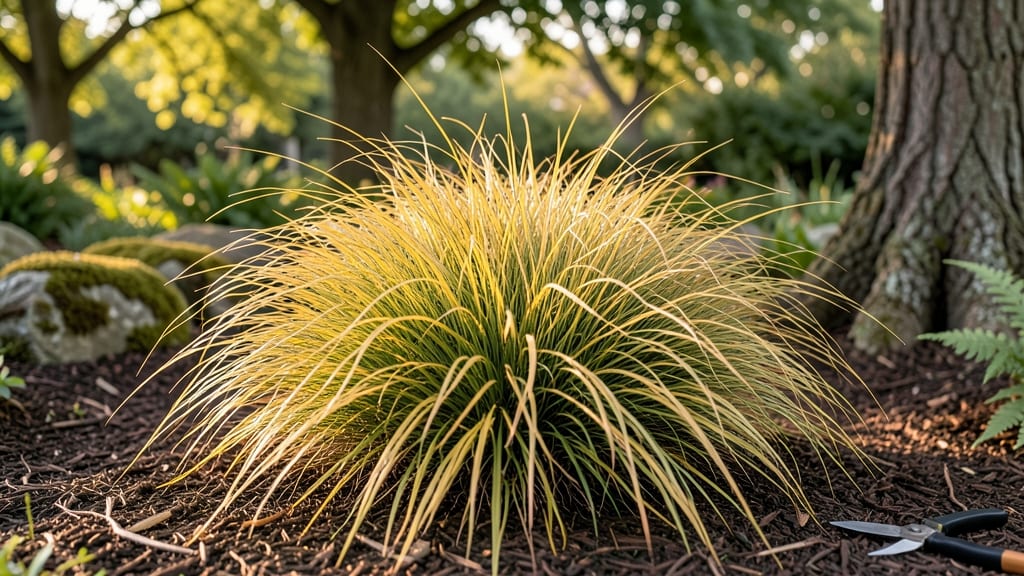
These ornamental grasses for shaded areas bring year-round texture to those tricky spots where sunlight barely reaches—until you discover varieties that thrive in dappled light and deep shade. adding movement and structure where other plants struggle.
These grasses offer architectural drama without demanding constant care. Some, like Hakonechloa 'Aureola' or Carex 'Ice Dance', create cascading waterfalls of golden or silvery foliage that glows even on cloudy days.
Others, like Miscanthus 'Malepartitus', stand tall and upright, providing vertical interest that contrasts beautifully with hostas and ferns.
What you’ll love most is how they soften harsh lines in your garden—whether framing a dark corner, spilling over a retaining wall, or filling gaps between shrubs. Their rustling leaves add soothing soundscapes, and their winter interest keeps the garden alive when everything else goes dormant.
Pair them with shade-loving perennials like heucheras, astilbes, or Japanese painted ferns for a layered look that feels lush and intentional. Even a single clump can transform a neglected area into a focal point—no bright sunlight required.
📚 In This Guide
- What you need
- Instructions
- Tips and common mistakes
- Wrapping up and next steps
What you need
- ● Ornamental grasses: Choose shade-tolerant varieties like Carex oshimensis, Hakonechloa macra, or Oplismenus hirtellus. Buy 3–5 plants per 10 sq. ft. (adjust for spacing needs).
- ● Garden soil or potting mix: 1–2 bags per plant (well-draining, amended with compost).
- ● Organic mulch: 2–3 inches (pine bark, shredded leaves, or wood chips to retain moisture).
- ● Slow-release fertilizer: 10–15 lb. (balanced 10-10-10 or organic options like fish emulsion).
- ● Garden gloves: 1 pair (nitrile-coated for durability).
- ● Hand trowel or transplant spade: 6–8 inches long (for delicate root handling).
- ● Watering can or hose with gentle nozzle: (avoid high pressure to protect tender foliage).
- ● Pruners (bypass type): For trimming dead fronds (sharp, clean cuts only!).
- ● Soil pH test kit: Ensures ideal 5.5–6.5 pH (grasses love slightly acidic soil!).
- ● Epsom salt: 1 tbsp per gallon of water (occasional magnesium boost for yellowing leaves).
- ● Drip irrigation system: Automates watering (critical for deep shade areas).
- ● Edging tool: Defines plant borders neatly (plastic or metal, 12–18 inches long).
- ● Shade cloth (30–50% coverage): If your area gets partial sun, use temporarily to acclimate plants.
Step-by-step guide to planting and maintaining ornamental grass in shaded areas
Transforming shady spots into lush, textured gardens is easier than you think—here’s my battle-tested approach.
Select the Right Grass Varieties for Low-Light Conditions
Not all ornamental grasses thrive in shade, so choose species specifically bred for low-light tolerance. My top picks for year-round texture include Hakonechloa macra (Japanese forest grass), Carex oshimensis (evergreen sedge), and Miscanthus sinensis ‘Malepartus’—all of which handle 4-6 hours of dappled sunlight daily. Avoid tall, upright varieties like Pennisetum or Andropogon, which require full sun to maintain their dramatic form.
Check the mature height and spread of each variety before planting—Hakonechloa stays compact at 12-18 inches tall, while Carex spreads wider but stays low. I always sketch a rough layout first to ensure grasses won’t overcrowd other shade-loving perennials like Hosta or Astilbe. The key is balance:: plant clumps 12-24 inches apart depending on the variety’s mature size.
Prepare the Planting Site for Optimal Drainage and Soil Health
Shaded areas often have compacted, moisture-retentive soil—ornamental grasses despise soggy roots. Amend the planting area with 2-3 inches of organic matter (compost or well-rotted leaf mold) mixed into the top 6 inches of soil. This improves aeration while retaining enough moisture for shade-adapted grasses.
If your soil drains poorly, create a slightly raised bed (4-6 inches high) to prevent waterlogging. I use a border of landscape fabric under the bed to block weeds while allowing excess water to drain away. Test soil moisture after rain—if water pools for more than 24 hours, add perlite or coarse sand to the mix before planting.
Plant Grass Clumps at the Correct Depth and Spacing
Dig holes twice as wide as the root ball but only as deep as the container’s root level. Press the grass clump into the hole so the top of the root ball sits flush with the surrounding soil—planting too deep suffocates roots, while planting too shallow exposes them to drying winds. Gently firm the soil around the edges to eliminate air pockets.
Water deeply immediately after planting to settle the soil and encourage root contact. I use a slow-release fertilizer (10-10-10) at planting time to give grasses a nutrient boost without risking burn. Space clumps 18-24 inches apart for medium-sized varieties like Carex and Hakonechloa, or 36 inches apart for larger types like Miscanthus. Mulch lightly with 1-2 inches of shredded bark to conserve moisture and suppress weeds.
Water and Fertilize for Shade-Adapted Growth
Newly planted grasses need consistent moisture but hate soggy conditions. Water 2-3 times per week until roots establish (4-6 weeks), then taper to once weekly unless rainfall provides 1 inch of moisture. Check soil moisture by sticking your finger 2 inches deep—if it’s dry, water; if damp, wait. Overwatering in shade leads to root rot, which is fatal for ornamental grasses.
Fertilize lightly in early spring with a balanced, slow-release formula (10-10-10). I skip summer feeding—shade-stressed grasses don’t need extra nutrients and may produce weak growth. In fall, apply a low-nitrogen fertilizer (5-10-10) to strengthen roots for winter. Avoid high-nitrogen blends, which promote leafy growth at the expense of hardiness.
Prune and Maintain for Year-Round Texture
Most shade-tolerant grasses need minimal pruning, but timing matters. Cut back dead or damaged foliage in early spring (before new growth emerges) to tidy the clump. For Hakonechloa, I shear spent leaves to half their height in late winter to encourage fresh, arching growth. Never prune in fall—this removes insulation for winter protection.
Divide mature clumps every 3-4 years in early spring to prevent overcrowding. Dig up the entire clump, separate the root sections with a sharp knife, and replant the healthiest divisions. This rejuvenates growth and ensures your grasses remain compact and vigorous. In winter, leave foliage intact—it provides wind protection and winter interest long after deciduous perennials have faded.
Tips & tricks for perfect shade-tolerant ornamental grass planting
Here's what I've learned after years of transforming shady garden corners into thriving, textured landscapes—these details make all the difference.
Variety Selection Insight: When choosing between Hakonechloa macra and Carex oshimensis, consider your space's microclimate. The Hakonechloa's cascading habit thrives in consistently moist shade, while Carex handles slightly drier conditions. I've found that planting them together creates beautiful contrast—Hakonechloa adds movement while Carex provides dense ground cover. For maximum impact, group 3-5 clumps of each variety in odd-numbered arrangements to create natural focal points.
Soil Preparation Secret: The 2-3 inches of organic matter recommendation is non-negotiable for shade plants, but here's the pro move: mix in 1 part perlite to 3 parts compost for the top 6 inches of soil. This creates ideal pore space while preventing compaction. I always test soil moisture after amending—if water drains through within 15 minutes, your mix is perfect. For clay-heavy soils, add an extra 1 inch of coarse sand to improve drainage without altering moisture retention.
Planting Depth Technique: The flush-with-soil rule in Step 3 is critical, but here's how to execute it perfectly: Use a pencil to mark the root ball's top edge before removing the plant from its container. This visual guide prevents the common mistake of planting too shallow, which exposes roots to drying winds. For container-grown grasses, gently squeeze the root ball to check for air pockets—if it springs back, it's ready for planting. I've seen roots dry out within 24 hours when planted too shallow, so don't skip this step.
Watering Strategy: The 2-3 times per week guideline works, but timing matters more than frequency. Water deeply in the early morning to allow foliage to dry before evening, preventing fungal issues. I use a soaker hose placed at the base of plants to deliver moisture directly to roots while minimizing evaporation. For the first 4-6 weeks, check soil moisture at 2 inches deep—if it's damp, wait; if dry, water thoroughly. This method ensures consistent root establishment without waterlogging.
Pro Tips for Ornamental Grass For Shaded Areas
- Here's what I've learned after years of transforming shady garden corners into thriving, textured landscapes—these details make all the difference.
- Variety Selection Insight: When choosing between Hakonechloa macra and Carex oshimensis, consider your space's microclimate.
- Soil Preparation Secret: The 2-3 inches of organic matter recommendation is non-negotiable for shade plants, but here's the pro move: mix in 1 part perlite to 3 parts compost for the top 6 inches of soil.
Frequently asked questions
Got questions about adding ornamental grass to shady spots? You’re not alone! Here are some of the most common concerns—and their solutions—to help you create a lush, low-maintenance garden even in the shade.
What’s the best ornamental grass for deep shade?
Look for carex varieties (like Carex oshimensis or Carex morrowii) or Hakonechloa macra (Japanese forest grass). These thrive in 2–4 hours of dappled sunlight and handle moist, well-draining soil. Avoid sun-loving grasses like Miscanthus or Pennisetum—they’ll struggle in full shade.
How long does it take for shaded ornamental grass to establish?
Most shade-tolerant grasses take 1–2 growing seasons to fill out. Water deeply 1–2 times per week during the first year to encourage root growth. Patience pays off—once established, they’re drought-tolerant and low-maintenance! Pro tip: Mulch lightly with shredded bark to retain moisture.
Can I plant ornamental grass in full shade (no sunlight)?
Few grasses survive true full shade (0 hours of direct light), but some carex types (like Carex ‘Ice Dance’) and Oplismenus hirtellus (bamboo grass) can eke out a presence. Pair them with hostas or ferns for a layered, textured look. If your spot is dark and damp, consider sedges instead—they’re the ultimate shade workhorses.
Why is my shaded ornamental grass turning brown or yellow?
Brown tips often mean overwatering or poor drainage. Yellowing could signal root rot (from soggy soil) or nutrient deficiency (shade depletes soil faster). Fix it: Amend soil with compost, ensure containers have drainage holes, and fertilize lightly in spring with a slow-release, acidic formula (like 10-10-10).
Are there alternatives to grass for shady areas?
If grass isn’t cutting it, try:
- Ground covers: Liriope muscari (monkey grass) or Ajuga reptans (bugleweed) for color.
- Ferns: Dryopteris erythrosora (autumn fern) adds feathery texture.
- Hostas: Classic shade lovers with bold foliage (just watch for slugs!).
- Heucheras: Coral bells offer year-round interest in deep shade.
Mix and match for a dynamic, low-light garden!
Wrapping up and next steps
Transforming shaded spots into lush, textured gardens is easier than you think! Ornamental grasses like Carex, Hosta, or Japanese Forest Grass thrive in low-light conditions, offering year-round beauty with minimal fuss.
Whether you're a seasoned gardener or just starting, these hardy plants bring movement, color, and structure to your space—no sunlight struggles required!
Ready to elevate your garden? Start small: Pick one grass variety, test a patch, and watch your shaded areas bloom with effortless elegance. 🌿✨