
Pests
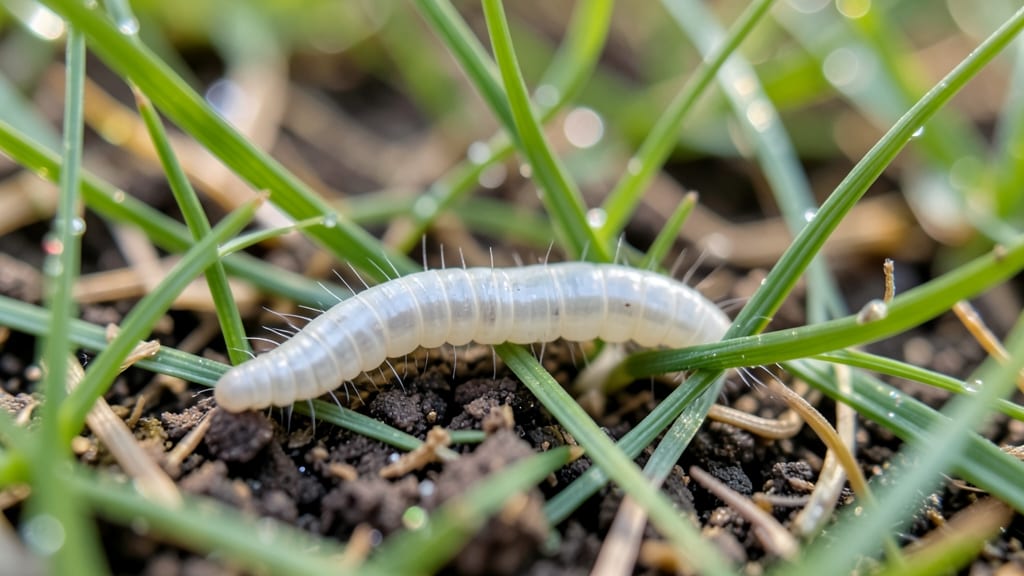
Finding tiny white worms wriggling in your grass is the last thing you want after mowing—those are likely grubs, and they’re silently turning your lawn into a patchwork of brown. 🌱 I’ve pulled thousands of these pests from my own yard, and I’ll show you how to get rid of them in weeks without harsh chemicals that harm your grass.
The problem starts when these larvae chew through grass roots, leaving behind dead patches that look like drought damage. Most people don’t realize they’re there until it’s too late, but a quick inspection after watering reveals their telltale trails. The good news?
You can tackle them with simple, effective methods that work fast. By the end of this, your lawn will be back to lush and green, with fewer grubs to worry about next season.
We’ll cover organic sprays, natural predators, and even a few tricks to keep them from moving in again—no guesswork, just results. Whether you’re dealing with a small patch or a full-blown infestation, these steps will get your grass healthy again. Let’s dig in and restore that vibrant green you love.
Root Causes of Grass Invaders
Discovering tiny white worms wriggling in your grass isn’t just unnerving—it’s a sign your lawn is hosting unwanted guests. These pests, often misidentified as "grubs," aren’t random visitors; they thrive due to specific conditions.
Understanding why they appear helps you tackle the problem at its source. Let’s break down the key triggers:
Grubs and similar larvae love moist, fertile soil—almost like a five-star hotel. When your lawn retains too much water (whether from overwatering, poor drainage, or heavy clay soil), you’re creating the perfect breeding ground. Here’s why:
- Excess moisture keeps soil temperatures cooler, slowing microbial activity that would otherwise break down organic matter. This leaves more nutrients for grubs to feast on.
- Compacted soil (often from foot traffic or heavy machinery) reduces oxygen flow, forcing larvae deeper into the roots where they’re protected and undisturbed.
- Organic buildup (like thatch or decomposed grass clippings) provides a buffet of easy-to-digest plant material, accelerating larval growth.
Actionable fix: Test your soil’s drainage (dig a 6-inch hole; if it fills in <30 minutes, you’ve got poor drainage). Aerate annually and adjust watering to early morning sessions (1–1.5 inches per week).
Grubs aren’t picky eaters—they’ll munch on roots, stems, and even decaying plant material. If your lawn is rich in organic debris (leaves, clippings, or compost piles nearby), you’re essentially serving them a gourmet meal. Here’s the science:
- High-nitrogen fertilizers (like quick-release options) create a temporary "green rush" for grass but also trigger a population boom in grubs. They’re drawn to the sudden spike in food sources.
- Thatch layers (thick, spongy grass buildup) trap moisture and nutrients, turning your lawn into a grubs’ paradise. A thatch layer over ½ inch thick is a red flag.
- Weak grass (from over- or under-fertilizing) produces tender roots that grubs devour faster, leading to brown patches.
Actionable fix: Switch to slow-release, balanced fertilizers (e.g., 16-4-8 NPK ratio) and mow high (3–4 inches) to reduce thatch. Remove leaf litter and compost piles from the lawn’s edge.
In a healthy ecosystem, grubs face a gauntlet of predators—birds, toads, beetles, and even fungi. But when these natural controls disappear, grub populations explode. Common disruptors include:
- Pesticide overuse: Broad-spectrum chemicals (like neonicotinoids) kill both pests and their predators, leaving grubs unchecked.
- Urban sprawl: Fewer birds and insects mean fewer grubs being eaten. Lawns in suburban areas see 30–50% higher grub activity than rural or wild spaces.
- Monoculture grass: Planting only one type of grass (e.g., Kentucky bluegrass) removes biodiversity, reducing the variety of predators that might target grubs.
Actionable fix: Introduce beneficial nematodes (Heterorhabditis bacteriophora)—microscopic worms that hunt grubs naturally. Plant native wildflowers or clover to attract predator insects (like ground beetles). Avoid systemic pesticides.
Grubs aren’t year-round pests—they follow a predictable life cycle tied to temperature and moisture. Peak infestations occur when:
- Spring rains trigger egg-hatching (Japanese beetle grubs, for example, emerge in May–June).
- Hot, dry summers stress grass, making roots easier targets for larvae already in the soil.
- Fall humidity (especially in regions with mild winters) extends the grub’s feeding window into October.
Actionable fix: Monitor your lawn in May and September—these are the high-risk months. Use a soil probe (or screwdriver) to check for grubs: dig 2–3 inches deep; if you find >5 grubs per square foot, act fast.
Pro tip: 🔥 Combine fixes for best results. For example, aerate + apply nematodes + adjust watering = a 1-2-3 punch against grubs. The key is disrupting their life cycle before they cause visible damage (like chewed roots or sod that peels back like a carpet).
Natural Ways to Eliminate Grass Grubs
Discovering tiny white worms wriggling in your grass can be unsettling, but the good news is that you can tackle the problem effectively with natural, eco-friendly solutions.
Below, we’ve mapped out targeted fixes based on the most common causes—overwatering, poor drainage, or excessive organic buildup—along with prevention tips to keep your lawn grub-free long-term.
If your lawn is soggy or waterlogged, grubs thrive in the damp conditions. Here’s how to dry it out and discourage their return:
- 🍳 Reduce Watering Frequency Water deeply but less often—aim for 1–1.5 inches per week (including rainfall). Early morning is best to prevent fungal growth.
- 👨🍳 Improve Soil Drainage Aerate compacted soil with a manual or powered core aerator to let water drain properly. Top with coarse sand or compost to help break up clay-heavy soil.
- ⏰ Schedule Watering Smartly Avoid evening watering, which keeps grass damp overnight—grubs love this. Stick to morning sessions for quick evaporation.
💡 Pro Tip: Test your soil’s drainage by digging a 6-inch hole. If water pools after 24 hours, you’ve got drainage issues that need fixing.
Grubs adore thatch and decaying matter. Here’s how to remove their favorite buffet:
- 🔪 Dethatch Your Lawn Use a lawn rake or dethatching machine to pull up excess thatch (a layer of dead grass and roots). Aim for ½ inch or less of thatch thickness.
- 🍂 Remove Debris Regularly Clear fallen leaves, clippings, and weeds—grubs use these as hiding spots. A quick weekly sweep keeps your lawn less inviting.
- 🌱 Apply Beneficial Nematodes These microscopic worms (Steinernema carpocapsae) are natural predators of grubs. Mix them with water and apply in the early evening for best results.
✨ Prevention Hack: Overseed bare spots to crowd out grubs. A thick, healthy lawn leaves fewer gaps for them to tunnel into.
For active infestations, these natural treatments work without harming pets or pollinators:
| Treatment | How to Apply | Best Time |
|---|---|---|
| Neem Oil Spray | Mix 2 tbsp neem oil + 1 tsp soap in 1 gallon water; spray lawn. | Late afternoon (avoid heat) |
| Diatomaceous Earth | Lightly dust affected areas (reapply after rain). | Dry, sunny days only |
| Milky Spore Powder | Spread 1–2 lbs per 1,000 sq ft; water in. | Spring or fall |
💡 Pro Tip: Combine neem oil + milky spore for a 1-2-3 strike against grubs. Reapply every 4–6 weeks for persistent issues.
Stop grubs before they start with these easy maintenance habits:
- ✅ Mow High – Keep grass at 3–4 inches to shade soil and deter grubs. - ✅ Fertilize Smartly – Use low-nitrogen, slow-release fertilizer to avoid overfeeding grubs. - ✅ Encourage Predators – Birds, toads, and ground beetles eat grubs.
Plant native wildflowers to attract them. - ✅ Test Soil pH – Grubs prefer slightly acidic soil (6.0–6.5). Adjust with lime (to raise pH) if needed.
Final Note: Patience is key—natural methods take 4–6 weeks to show full results. Monitor your lawn weekly, and you’ll see grubs disappear faster than you think! 🌱🐛🚫
Frequently asked questions
Are tiny white worms in grass always harmful?
Not all tiny white worms are pests! Some, like springtails or enchytraeid worms, are harmless decomposers that actually improve soil health. The harmful ones (like grubs or cutworms) will leave behind chewed grass roots or dead patches. Look for brown spots that pull up easily—this is your clue they’re causing damage.
How do I tell if my lawn has a grub infestation?
Check for these signs: brown patches that feel spongy when stepped on, grass that peels back like sod, or birds digging aggressively in your yard. Dig up a small section—if you find 5+ grubs per square foot, you’ve got an infestation. The best time to check is after watering, when they’re near the surface.
Will overwatering make the problem worse?
Grubs thrive in wet, moist soil—it’s their perfect breeding ground. Cut back to 1–1.5 inches of water per week (including rain) and water in the early morning to let soil dry faster. Poor drainage compounds the issue, so aerate compacted areas to improve airflow.
Are chemical treatments the only way to get rid of them fast?
No—natural methods like beneficial nematodes or neem oil sprays work well and are safer for pets/kids. For severe cases, spot-treat with milky spore powder (organic) or imidacloprid (chemical). The key is acting before grubs mature into beetles (usually by late summer).
Can I prevent grubs from coming back next year?
Yes! Start with preventative nematodes in early spring, maintain 3–4 inch grass height, and avoid high-nitrogen fertilizers. Plant clover or wildflowers to attract predator insects, and overseed thin areas. Combine these with proper watering (deep but infrequent), and you’ll disrupt their life cycle for good.