
Planting
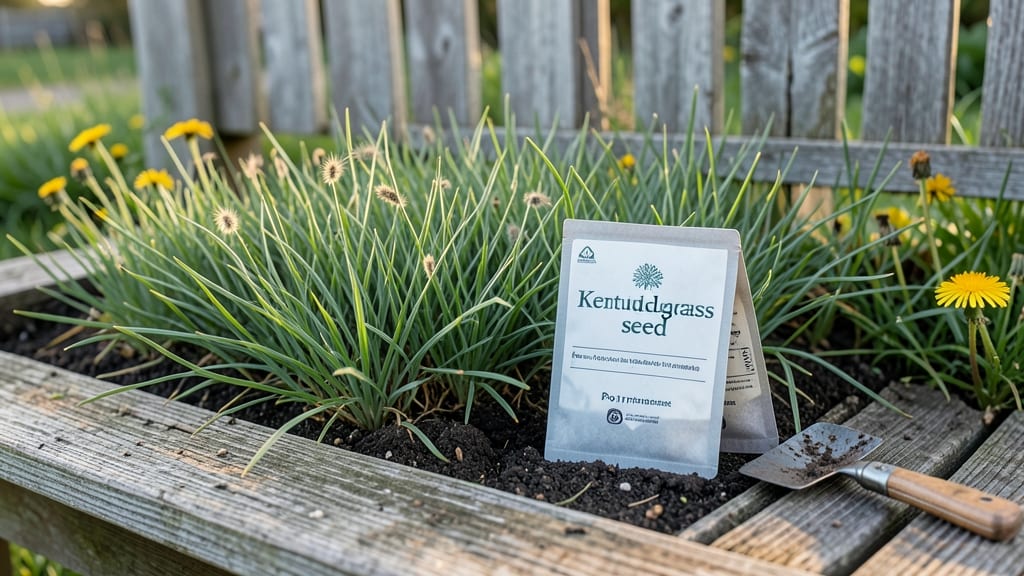
Planting grass seed in Washington State at the right time means the difference between a lush lawn and a patchy, weed-filled disappointment.
Washington’s climate is tricky—coastal areas stay damp and mild, while inland spots can bake in summer or freeze in winter. Plant too early, and frost will kill your seedlings. Too late, and summer heat will dry them out before they take root.
The best window is narrow but critical: early spring or late summer, when soil stays cool and moisture lingers.
I’ve seen firsthand how a well-timed planting in March or September leads to fast, even germination, while off-season attempts leave bare spots. The key isn’t just the calendar—it’s understanding your microclimate, whether you’re in Seattle’s rainy shadow or Spokane’s dry heat.
In this guide, I’ll break down the exact months to plant by region, the grass types that thrive in WA’s zones, and the simple steps to keep your seed from washing away or baking in the sun.
Best months to plant grass seed in Washington by region (coastal vs. inland vs. Eastern WA)
Washington State’s varied climate means your grass seed timing depends entirely on where you live. The coastal region (like Seattle) gets mild, wet winters, while inland areas (like Yakima) experience hotter, drier summers. Eastern WA (Spokane) has shorter growing seasons with colder winters.
Planting outside these windows risks slow germination, weed competition, or even seed death from extreme heat or frost.
For all regions, aim for soil temperatures between 50°F and 75°F—too hot or cold stalls root growth. Coastal areas can plant earlier due to milder winters, while inland and eastern regions should wait until spring or late summer when nights cool down.
Let’s break down the best planting windows for each zone to maximize your lawn’s success.
🌱 Pro Tip: Always test your soil’s moisture and temperature 2-3 inches deep before planting. A simple soil thermometer ($10 at garden centers) is worth its weight in gold for avoiding costly mistakes.
| Region | Best Planting Windows | Soil Temp Threshold | Rainfall Considerations | Key Risks to Avoid |
|---|---|---|---|---|
| Western Coastal (Seattle, Bellingham) | Early September to October (fall) or March to April (spring) | 50°F–65°F (ideal) | High rainfall—plant when showers taper off in fall | Fungal diseases from overwatering |
| Western Inland (Olympia, Yakima) | Late August to September (fall) or April to May (spring) | 55°F–70°F (ideal) | Moderate—water deeply 2x/week post-planting | Summer heat stress (soil >75°F) |
| Eastern WA (Spokane, Wenatchee) | Late April to May (spring) or August to early September (fall) | 50°F–60°F (ideal) | Low—supplement with irrigation | Early frost (plant after May 15) |
In Western Coastal WA, like Seattle or Bellingham, the fall window (September–October) is prime because cooler temps and consistent rainfall create perfect conditions.
Spring planting (March–April) works too, but avoid late spring when soil can dry out quickly. Kentucky bluegrass thrives here—just beware of slime mold if you plant too late in fall.
For Western Inland areas (Olympia, Yakima), late summer/early fall (August–September) is ideal because it lets grass establish before winter. Spring planting (April–May) is your second chance, but avoid June planting—soil temps often exceed 80°F, causing seed to dry out before germinating. Tall fescue is a drought-resistant favorite here.
In Eastern WA (Spokane, Wenatchee), the growing season is shorter, so focus on late April–May or August. Planting in June is risky due to heat stress and low humidity. Creeping red fescue is a top pick for its cold tolerance—critical for surviving Eastern WA’s first frost (October 20).
Regardless of region, always mow high (3–4 inches) once grass reaches 3 inches tall to encourage deep roots. Coastal lawns need more frequent mowing due to rapid growth, while inland grass can handle longer intervals between cuts. 🌿
Need a quick reference? Bookmark this: Coastal = fall or spring, Inland = late summer/fall or early spring, Eastern = late spring or August. Follow these windows, and you’ll skip the guesswork—and the brown patches that come with it.
How to choose the right grass seed type for Washington’s climate (cool vs. warm season)
Washington’s cool, wet winters and short growing seasons make grass seed selection just as critical as planting timing. Cool-season grasses dominate here because they thrive in moderate temperatures and abundant rainfall, while warm-season grasses struggle to establish before winter.
Choosing the wrong type can mean slow germination or thin coverage—especially in WA’s USDA Zones 6b-8b.
Cool-season grasses like Kentucky bluegrass and tall fescue are the top performers in Washington, thanks to their drought tolerance and shade adaptability. Warm-season grasses like Bermuda or zoysia? They’re rare here unless you’re in southern WA’s dry inland areas where summer heat mimics their native climates.
Let’s break down the best options for your region and how to match them to WA’s microclimates.
| Grass Type | Ideal Planting Months | Best For | Shade Tolerance | Drought Resistance |
|---|---|---|---|---|
| Kentucky Bluegrass | March–April, Aug–Sept | Sunny lawns, high traffic | Moderate | Low |
| Tall Fescue | March–May, Aug–Sept | Shady areas, drought-prone zones | High | Moderate |
| Fine Fescue | March–April, Aug–Sept | Deep shade, low-maintenance lawns | Very High | High |
| Creeping Red Fescue | March–April, Aug–Sept | Coastal areas, erosion control | High | Moderate |
| Bermuda (Warm-Season) | May–June (Southern WA only) | Dry inland areas (e.g., Yakima) | Low | Very High |
If you’re in Western WA’s rainy climate, fine fescue or creeping red fescue are my top picks—they handle shade and moisture like pros. For sunny, well-drained lawns in Eastern WA, tall fescue or Kentucky bluegrass blends offer the best balance of durability and aesthetics.
Avoid warm-season grasses unless you’re in Zone 8b+ (like Walla Walla), where summers are long enough for them to establish before winter.
Pro tip: Mix 2-3 grass types for a thicker lawn. For example, pair Kentucky bluegrass (for color) with tall fescue (for resilience) and fine fescue (for shade). This combo covers all your bases—whether your yard gets morning sun or dappled shade from trees.
Just remember: late summer/early fall is the sweet spot for planting, when soil is still warm but summer heat has passed.
Once you’ve picked your grass, prep your soil by aerating and adding compost to improve drainage—especially in clay-heavy soils common in Eastern WA. Keep the seedbed moist but not soggy for the first 2-3 weeks to encourage strong root growth.
With the right seed and timing, you’ll have a lush, weed-resistant lawn by next spring.