
Plants
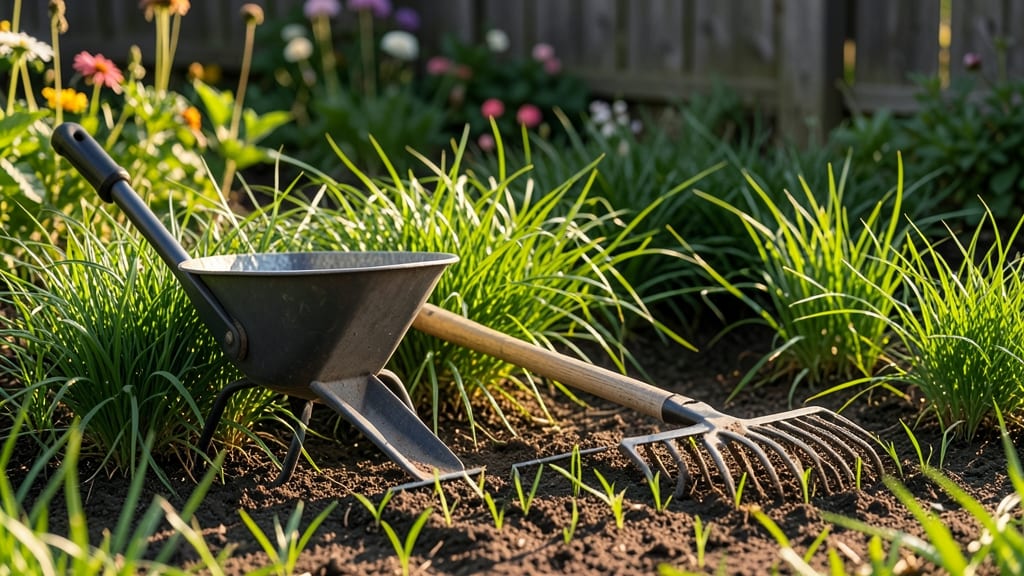
Planting grass seed in South Carolina at the right time means the difference between a thick, green lawn and a patchy, weed-filled mess.
Timing is everything when planting grass seed in South Carolina—get it wrong, and you’ll battle weeds, heat stress, or slow germination. But master these seasonal cues, and you’ll enjoy a lush, resilient lawn all year long.
In South Carolina’s 7b-9a zones, the best windows are early spring (March-April) and late summer (August-September), when soil temps and moisture align perfectly for germination.
Below, I break down the exact months for your region, soil prep tips to avoid common mistakes, and how to keep your new 🌱 grass thriving once it’s in the ground.
Best months to plant grass seed in South Carolina by climate zone
South Carolina’s diverse climate—from the humid coastal plains to the cooler mountain regions—means grass seed planting windows vary dramatically. Planting at the wrong time can lead to poor germination, weed competition, or heat stress.
But by aligning your schedule with your specific USDA Zone (7b-9a) and local rainfall patterns, you’ll set your lawn up for success. Let’s break down the ideal planting months for each of the state’s three distinct climate zones.
The key to successful grass seed germination is soil temperature. Most grass seeds need soil temps between 60°F and 75°F for optimal sprouting.
Coastal areas warm up faster in spring, while mountain regions stay cooler longer. Rainfall patterns also play a role—too much rain can wash seeds away, while drought can dry them out. Understanding these factors ensures your grass gets the best possible start.
| Climate Zone | Best Planting Window | Soil Temp Range | Rainfall Tips | Grass Types |
|---|---|---|---|---|
| Coastal (Zone 8a-9a) | Late February–March (spring) or August–early September (fall) | 60°F–75°F | Use mulch to retain moisture; avoid planting during hurricane season (June–Oct) | Bermuda, St. Augustine, Zoysia |
| Piedmont (Zone 7b-8a) | Mid-March–April (spring) or late August–September (fall) | 55°F–70°F | Water deeply 2x/day if no rain for 3+ days; watch for fungal risks in summer | Tall Fescue, Centipede, Bermuda |
| Mountains (Zone 7a-7b) | April–May (spring) or late September (fall) | 50°F–65°F | Use straw mulch to protect seeds from late frosts; expect cooler nights | Kentucky Bluegrass, Fine Fescue, Ryegrass |
For coastal South Carolina, the warmest zone, early spring (late February–March) is ideal for warm-season grasses like Bermuda and St. Augustine. These grasses thrive in heat but need to establish roots before summer’s intensity. Fall planting (August–September) is also excellent—cooler temps reduce weed competition, and rainfall is more consistent.
Avoid planting in summer when soil temps can exceed 85°F, which stresses seeds.
In the Piedmont region, where temperatures moderate between coastal heat and mountain coolness, aim for mid-March to April for spring planting.
This timing aligns with soil warming and reduced frost risk. Late summer (August–September) is another sweet spot, as afternoon rains help maintain moisture without overwhelming new seedlings. Tall Fescue, a cool-season favorite here, benefits from fall’s mild weather and prepares for winter dormancy.
The mountain zones of South Carolina—like the Upstate—have the latest springs and earliest falls. Plant cool-season grasses like Kentucky Bluegrass in April–May when soil temps consistently stay above 50°F. Fall planting shifts to late September to avoid early frost.
These areas often see more rainfall, so use straw mulch to prevent seed erosion and fungal growth. Fine Fescue thrives here due to its shade tolerance and drought resistance.
Regardless of your zone, always test soil moisture before planting. Stick a screwdriver into the ground—if it goes in easily, the soil is too dry.
If it’s muddy, wait for it to dry slightly. Water lightly but frequently (2–3 times daily) until germination, then taper to 1 inch per week. This routine keeps seeds hydrated without suffocating them. Mulch with straw (not wood chips) to retain moisture and shield seeds from birds.
One common mistake? Planting warm-season grass in fall or cool-season grass in summer. These grasses have opposite temperature preferences, so timing is critical. For example, Bermuda grass planted in fall will struggle through winter, while Kentucky Bluegrass planted in summer will bolt or burn.
Always match the grass type to the season for best results.
Pro tip: Use a soil thermometer to confirm temps before planting. Most grass seeds need 5–7 days of consistent warmth to sprout. If your zone’s average soil temp hasn’t reached the ideal range, wait a few more weeks.
Patience now means a thicker, greener lawn later. And remember—shade patterns change with seasons, so observe your yard’s sunlight shifts before choosing a grass variety.
Finally, consider overseeding in fall for existing lawns. This practice fills thin spots and strengthens grass before winter. In coastal areas, September is perfect; in the mountains, October works best. With the right timing and care, your South Carolina lawn can be the envy
How to prepare your soil for grass seed success in SC’s humid climate
South Carolina’s humid summers and sandy soils create unique challenges for grass seed germination. Without proper prep, your seeds may struggle to establish roots or succumb to fungal diseases or weed competition.
The key? A well-aerated, moist, and weed-free seedbed that retains moisture without becoming waterlogged. Let’s break down the essential steps to give your grass the best start in our climate.
First, test your soil’s pH—most grasses thrive in a slightly acidic to neutral range (6.0-7.0).
SC’s native soils often lean acidic, so you may need to add lime to raise the pH. Sandy soils, common across the state, drain quickly, so amend with compost or peat moss to improve moisture retention.
Don’t skip this step—poor soil prep is the #1 reason grass seed fails in our region.
Step-by-Step Soil Prep for SC Grass Seed
- Step 1: Clear the Area Remove all weeds, debris, and thatch using a rake or dethatcher. Focus on broadleaf weeds and grass clumps, which compete for nutrients and space.
- Step 2: Test Soil pH Use a soil test kit (available at garden centers) to check pH. Aim for 6.0-7.0. If below 6.0, apply pelletized lime (follow package rates).
- Step 3: Loosen Soil Till or aerate to a 3-4 inch depth. For sandy soils, mix in 2-3 inches of compost to improve water retention and fertility.
- Step 4: Level the Ground Rake the soil smooth to eliminate low spots (where water pools) and high spots (where seeds won’t make contact). Aim for a 1% slope for drainage.
- Step 5: Apply Starter Fertilizer Spread a low-nitrogen starter fertilizer (10-10-10) at ½ lb per 100 sq ft. This provides quick nutrients without burning tender seedlings.
- Step 6: Moisten Before Planting Water the soil 1-2 days before seeding to a 4-6 inch depth. This ensures seeds have immediate access to moisture upon planting.
After planting, mulch with straw to retain moisture and suppress weeds. Avoid thick mulch layers—¼ inch max—or you’ll smother young grass. In SC’s humidity, water lightly but frequently: aim for ¼ inch of water daily until germination (7-21 days).
Use a sprinkler with fine mist to avoid displacing seeds.
One often-overlooked tip: avoid walking on the seedbed until grass reaches 3 inches tall. Compacted soil stunts root growth, and our sandy soils are especially prone to erosion. If you must traverse the area, use a board or plank to distribute your weight.
For coastal SC areas, where soils are even sandier and saltier, consider adding gypsum (calcium sulfate) to improve structure. Inland regions may need more compost to offset clay pockets. Always adjust based on your soil test results—one-size-fits-all prep rarely works in our diverse climate.
With these steps, your grass seed will germinate faster, resist weeds, and establish a deep root system before summer’s heat peaks. Pro tip: Plant in early spring or late summer to align with SC’s natural rainfall patterns and cooler temps—your lawn will thank you for years to come. 🌱