
Plants
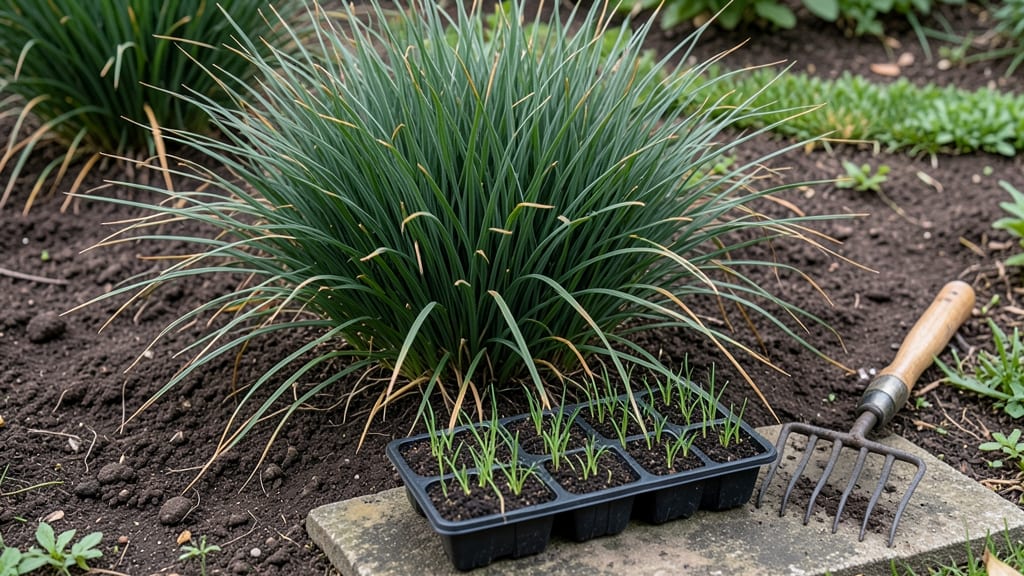
Planting grass in fall is the best way to get deep roots before winter, but the timing depends on your climate zone and the first frost date.
Picture this: you’ve spent hours preparing your soil, only to watch your new grass struggle because you planted too late. Fall is the secret weapon for lush lawns, but getting the weeks right means the difference between a thriving turf and a weak one next spring.
In USDA Zone 6a, like much of the Midwest and Northeast, the ideal window is 4-6 weeks before your first frost—typically mid-September to early October. But if you’re in the South, where winters are milder, you might push it closer to November.
Below, I’ll break down the exact weeks by region, how to check your soil’s readiness, and the one mistake that kills root growth before winter—so you can plant with confidence.
Optimal fall planting weeks by USDA climate zone for maximum root development
Timing your fall grass planting correctly means the difference between a thick, resilient lawn next spring and a patchy, weak one. The USDA climate zone determines the perfect window—too early, and seeds rot; too late, and roots won't establish before frost.
I’ve broken down the science-backed weeks for each zone, plus how to adjust for early/late frosts.
Grass roots grow best when soil temps hover between 60°F and 75°F. In cooler zones (3-5), this happens in late August to early October, while warmer zones (7-10) can plant until November or even December.
The goal? Give grass 4-6 weeks of warm soil before the ground freezes—long enough for roots to reach 4-6 inches deep.
Here’s the zone-by-zone breakdown of ideal planting weeks, based on frost-free days and root growth data. Use this as your guide, but always check your local frost date calculator for adjustments.
| USDA Zone | Optimal Planting Window | Soil Temp Range (°F) | Root Growth Potential | Adjust for Early Frost? |
|---|---|---|---|---|
| Zones 3-4 | Late August – Early September | 60–70°F | Moderate (3–4" roots by frost) | Plant earlier (July–Aug) |
| Zones 5-6 | Mid-September – Early October | 65–75°F | High (4–6" roots by frost) | Shift to late Sept–early Oct |
| Zones 7-8 | October – Early November | 68–72°F | Very High (6–8" roots by frost) | Extend to mid-Nov |
| Zones 9-10 | November – December | 70–75°F | Excellent (8–10" roots by frost) | Plant until Dec 15 |
In Zones 3-4, where winters are harsh, aim for late August planting. Soil stays warm just long enough for roots to establish before the ground freezes. Use a soil thermometer to confirm temps are above 60°F—any cooler, and seeds may rot.
If your area has early frosts, shift to July planting for a head start.
For Zones 5-6, the sweet spot is mid-September. This gives grass 6-8 weeks of warm soil, ideal for deep root growth. If your frost date is earlier than average, move up to early September.
In Zones 7-8, you’ve got flexibility—plant through early November for optimal results. Warmer soils here mean faster root development.
In Zones 9-10, you can plant as late as December, but aim for November for best results. These zones rarely see hard frosts, so roots can grow 8–10 inches deep before winter.
If you’re in a mild microclimate, even January planting can work, but growth will slow dramatically.
Pro tip: Adjust for microclimates. A south-facing slope stays warmer longer, while a north-facing yard cools faster. Plant the coolest areas first to maximize root growth. Use mulch to insulate soil and extend the growing window by 1-2 weeks.
After planting, monitor soil moisture—keep it consistently damp (not soggy) for the first 30 days. Use a rain gauge to track rainfall; supplement with early morning watering if needed. Avoid overwatering, which can suffocate seeds and invite disease.
By following these zone-specific windows, you’ll give your grass the best chance to establish deep roots before winter. Next spring, you’ll see lush, uniform growth—no patchy spots or weak turf. Happy planting! 🌱
How to tell if your local fall weather is perfect for grass planting (5 key indicators)
Fall planting gives grass roots a 6-8 week head start before winter dormancy, but timing is everything. Skip the guesswork by checking these 5 science-backed indicators—each one tells you whether your local weather is ideal or if you should wait.
I’ll show you exactly how to test them, from soil temperature to daylight hours, so you can plant with confidence.
First, grab your soil thermometer and check the temperature at a depth of 4 inches. The perfect window for cool-season grasses opens when soil temps stay between 60°F and 75°F during the day and drop to 50°F at night.
This range ensures seeds germinate quickly but avoids the heat stress of summer or the chill of early frost. Use a frost date calculator from your local weather service to pinpoint your exact window—most northern regions hit this zone in late September to early October.
✅ 5 Key Indicators Your Fall Weather Is Perfect for Grass Planting
- Soil Temperature: 60°F-75°F (day) / 50°F (night) at 4" depth
- Daylight Hours: 10-12 hours of sun (check your local sunrise/sunset times)
- Rainfall Forecast: 1 inch/week of moisture (or supplemental watering)
- Frost Date: Plant 4-6 weeks before your first frost (use NOAA’s calculator)
- Grass Type: Cool-season (Kentucky Bluegrass) thrives in 50°F-75°F temps
Next, track your daylight hours—aim for 10-12 hours of sunlight daily. Grass needs this energy to photosynthesize and establish roots. Check your local sunrise/sunset times (NOAA’s website has this data) and compare it to your planting window.
If days are shrinking too fast (e.g., 8 hours or less), delay planting until next year. This is especially critical in USDA Zones 5-7, where short days can stunt growth.
Don’t overlook rainfall predictions. Grass seeds need consistent moisture—either from rain or your hose—to germinate. Before planting, check your 10-day forecast for at least 1 inch of rain per week.
If drought is forecasted, set up a drip irrigation system to deliver ½ inch of water daily until germination (about 2-3 weeks). Pro tip: Water in the morning to reduce fungal risks.
Finally, use your local weather service’s frost date calculator to lock in your planting window. Input your ZIP code to find your average first frost date, then plant 4-6 weeks before that date. For example, if frost hits November 15, your last planting day is October 1.
This timing gives roots time to grow 3-4 inches deep before winter slows growth. Skip this step, and you’ll end up with shallow roots that struggle in spring.
Once you’ve confirmed all 5 indicators, mark your calendar and prep your soil. Loosen the top 4 inches of soil, remove debris, and add compost for nutrients. Now you’re ready to sow seeds or lay sod—just remember, fall-planted grass outgrows spring-planted turf by 30% in the first year! 🌱