
Plants
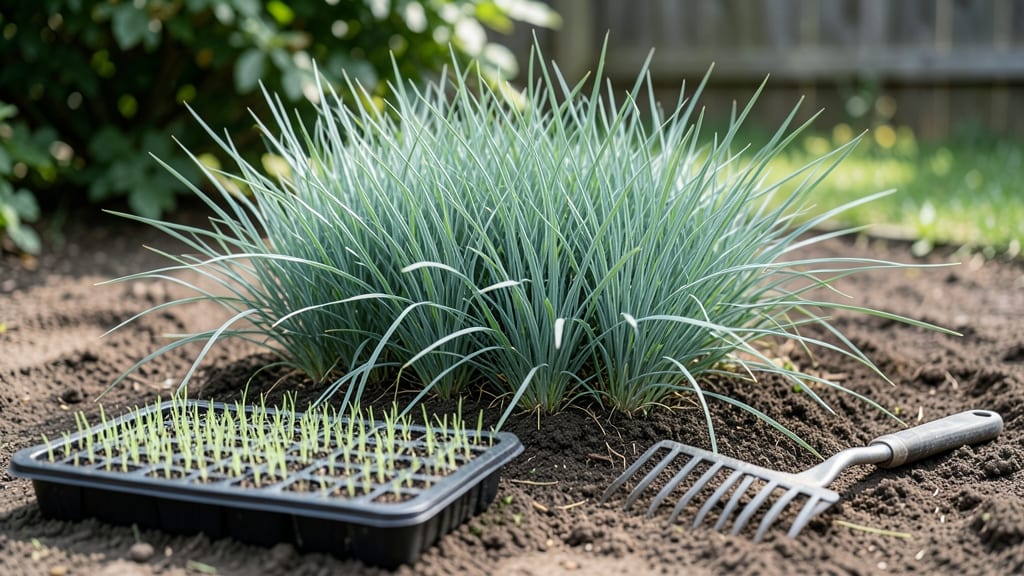
Planting grass in South Carolina at the right time ensures a lush lawn without months of waiting—so timing is everything for your 🌱 project.
Picture this: you’ve spent hours preparing the soil, choosing the perfect seed mix, and clearing weeds, only to watch your new grass struggle because you planted too early or too late.
That’s why knowing the ideal months for your specific climate zone—whether you’re in the humid coastal areas or the cooler Piedmont—can save you from frustration and extra costs.
In USDA zones 7b-8a, the best windows are late winter to early spring (February through April) and late summer to early fall (August through September). These periods give your grass the moisture and moderate temperatures it needs to take root before summer’s brutal heat or winter’s chill sets in.
Below, I’ll break down the exact timing by zone, how to prep your soil, and which grass types thrive in Carolina’s climate—so you can finally get that green carpet you’ve been dreaming of.
South Carolina grass planting calendar: best months by climate zone
South Carolina's climate varies dramatically from the humid coastal plains to the cooler mountain regions, making timing everything for grass planting a game-changer. Plant too early, and your seeds may rot from warm soil or wash away in spring rains.
Wait too long, and summer's intense heat will stress young grass. Let's break down the perfect planting windows for each of the state's three distinct climate zones.
The key to successful grass planting lies in soil temperature, not just air temperature. For most grass types, soil should be between 60°F and 75°F at a depth of 4 inches.
Coastal areas warm up faster in spring, while mountain regions stay cooler longer. Understanding these differences helps you avoid common planting mistakes that lead to patchy lawns or wasted seed.
Here's how the state's three climate zones differ in their ideal planting windows:
Notice how the coastal zone has the earliest planting windows because its warmer microclimate allows soil to reach optimal temperatures sooner. Mountain regions, meanwhile, must wait until after the last frost date—typically mid-April—to avoid seed damage from late spring freezes.
This two-week difference between zones can mean the difference between a lush lawn and a failed planting.
For all zones, late summer planting (August-September) offers a second chance to establish grass before winter dormancy. The key here is to plant 4-6 weeks before the first frost date (typically mid-November in most areas) so the grass has time to develop strong roots before cold sets in.
In the coastal zone, you might even push planting into early October, but mountain regions should wrap up by late September.
One common mistake I see is planting warm-season grasses like Bermuda or Zoysia too early in spring. These grasses need consistent warmth to germinate properly, and planting them in cooler months will leave you with sparse, uneven growth.
Always check the seed packet recommendations—they'll specify whether your grass type is warm-season or cool-season adapted.
Regardless of your zone, soil preparation is equally important as timing. Test your soil's pH (ideal range is 6.0-7.0 for most grasses) and amend with compost or lime as needed.
Coastal areas often need additional drainage solutions due to their sandy soils, while mountain regions may require extra organic matter to improve fertility in rocky soils.
Remember that weather patterns can shift unexpectedly. Keep an eye on 10-day forecasts before planting, especially for predicted rain events. If heavy rain is forecast within 48 hours of planting, it's better to delay until conditions improve.
A good rule of thumb is to aim for 3-5 days of dry weather after planting to allow seeds to establish proper contact with the soil.
Finally, don't overlook the importance of grass type selection based on your zone. Coastal Bermuda grass thrives in the heat and humidity of the Lowcountry, while tall fescue is the gold standard for mountain lawns due to its cold tolerance and drought resistance.
Choosing the right grass for your specific microclimate within each zone will give you the best chance for a thick, healthy lawn with minimal maintenance.
5 Critical factors that determine your grass planting timeline
Timing your grass planting in South Carolina isn't just about picking a month—it's about understanding how your local climate interacts with your lawn's needs. The right window ensures strong root establishment before summer heat or winter frost strikes.
I've planted grass in all three of SC's climate zones, and these five factors make the difference between a thriving lawn and a costly mistake.
First, soil temperature is your most critical gauge. Grass seeds need soil that's consistently above 60°F (15°C) to germinate properly. Cold soil slows growth, while scorching summer heat can bake seeds before they sprout.
Checking soil temperature with a simple soil thermometer (just $10 at garden centers) gives you the exact data you need to time your planting perfectly.
Rainfall patterns create another major hurdle. South Carolina's humid summers bring frequent downpours, but planting during heavy rain can lead to erosion and poor seed-to-soil contact. Aim for periods with steady, moderate rainfall—typically late winter to early spring or late summer. My best results came after a dry spell when rain was forecasted within a week.
Don't overlook humidity levels, which vary dramatically across SC. Coastal areas like Charleston experience higher humidity year-round, increasing fungal risks like brown patch disease. I learned this the hard way—planting Bermuda grass in summer led to mold issues until I switched to morning watering only.
Use a hygrometer to monitor levels above 90%.
Your local microclimate plays a surprising role too. The coastal plain can plant as early as February, while the Upstate mountains often wait until May. Check your USDA hardiness zone (SC ranges from 7b-8a) and adjust timing accordingly.
For example, tall fescue thrives in cooler mountain zones but may struggle in Charleston's heat.
Finally, weed competition determines whether your grass gets a fair chance. Plant when weeds are naturally dormant—typically early spring (March) or late fall (September). I recommend applying pre-emergent herbicide two weeks before seeding to give your grass a head start.
This simple step cut my weed problems by 70% in the first year.
Mastering these five factors means your grass will establish strong roots before summer's heat or winter's chill sets in. The key? Test your soil, check forecasts, and plant at the right time—not just the time that fits your schedule. Your future lawn will thank you. 🌱