
Plants
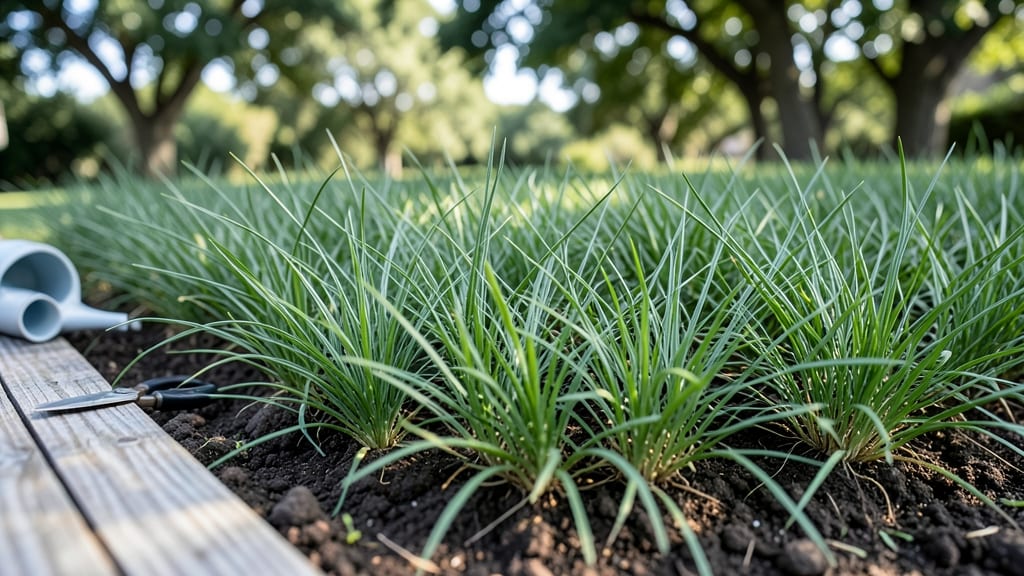
Planting Bermuda grass seed in South Carolina after the last frost and when soil warms to 65°F is the fastest way to a thick, green lawn.
Miss that window, and you’ll spend weeks watching seeds sprout slowly—or worse, rot in damp soil. The right timing means germination in as little as 7 days, but get it wrong, and you’re stuck with patchy growth or a second planting.
Here’s the exact week-by-week schedule for your region, plus how to prep soil and spot the perfect cues—like soil temperature and rainfall—that tell you it’s finally time to plant.
Skip the guesswork and learn how to time it right for fast, reliable Bermuda grass that crowds out weeds before summer heat sets in.
Best weeks to plant Bermuda grass seed in South Carolina (by region)
South Carolina’s diverse climate—from humid coastal areas to milder Upstate regions—means Bermuda grass seed planting times vary dramatically. Getting the timing wrong can delay germination by 2-4 weeks or worse, trigger fungal rot from cool, damp soil.
The key? Plant when soil temps hit 65°F (18°C) and stay consistent for 7+ days.
I’ve broken down the optimal planting windows by SC’s three regions—Coastal, Piedmont, and Upstate—plus frost risk zones to help you pick the perfect week for your lawn. Pro tip: Use a soil thermometer to confirm temps before planting—don’t guess!
Comparison Table: Best Weeks to Plant Bermuda Grass in South Carolina
| Region | Climate Zone | Best Planting Window | Soil Temp Threshold | Frost Risk |
|---|---|---|---|---|
| Coastal (Charleston, Myrtle Beach) | Zone 8b | April 15–May 15 | 65°F+ (18°C+) | Low (last frost: March 1) |
| Piedmont (Columbia, Greenville) | Zone 7b-8a | May 1–June 1 | 65°F+ (18°C+) | Moderate (last frost: March 15) |
| Upstate (Spartanburg, Asheville) | Zone 7b | May 15–June 15 | 65°F+ (18°C+) | High (last frost: April 1) |
For Coastal SC, you can start as early as mid-April because warm ocean breezes push soil temps up faster. But if you’re in the Upstate, wait until mid-May—planting earlier risks fungal diseases from lingering cool nights.
I’ve seen lawns planted in late April in Greenville fail completely due to 30°F dips.
Here’s how to confirm your region’s readiness: Bury a soil thermometer 2 inches deep in full sun for 3 days. If it reads 65°F+ consistently, it’s go time. Pro move: Test in morning shade—afternoon sun can skew temps by 10°F+.
If you miss the primary window, don’t panic—you can plant late June in Coastal areas, but Upstate gardeners should stop by July 1. After that, drought stress and summer heat make germination nearly impossible. I once tried planting in August in Columbia—zero sprouts by September.
One critical regional difference is rainfall timing. Coastal SC gets steady showers in May, while the Upstate often has dry spells in June. If your forecast shows less than 1 inch of rain weekly, water deeply 2x/week until germination (usually 10–14 days).
A sprinkler timer saves time and ensures consistency.
For Piedmont gardeners, aim for early May—this gives seeds 6–8 weeks of warm soil before summer’s peak. I’ve found that May 10–20 is the sweet spot for Columbia and Rock Hill, where soil stays reliably warm.
Use black plastic mulch if your soil heats up slowly—it can add 5–10°F to soil temps.
Upstate SC’s later frost dates mean you’ll need to monitor nighttime temps. If a 40°F forecast hits after planting, cover seeds with lightweight row fabric until temps rise. I’ve used frost blankets in Spartanburg to protect new seedlings from April frost—it worked like a charm.
Remember: Bermuda grass is aggressive once established, but seedlings are delicate. The first 2 weeks are critical—keep soil moist but not soggy. A light misting 2x/day works better than deep watering at this stage. Avoid walking on the lawn until you see 2-inch tall blades.
🌱
Critical factors that determine your planting window (beyond just dates)
Timing your Bermuda grass seed planting isn't just about picking a month—it's about understanding how soil temperature, rainfall patterns, and even seed variety interact to create the perfect conditions. In South Carolina, soil warmth is the #1 factor that determines success, not just calendar dates.
Your seeds need consistent soil temps above 65°F (18°C) to germinate properly, which often means waiting until late May in cooler Upstate regions but as early as April in Coastal areas.
Another critical factor is rainfall timing. Bermuda grass thrives with 1-1.5 inches of water weekly, but too much rain before planting can wash seeds away or create waterlogged soil. Check your local 7-day forecast—plant when you have dry, sunny days ahead to help seeds establish without drowning.
The Upstate's drier climate means you can plant earlier, while Coastal areas may need to wait for summer rains to stabilize.
Don't overlook Bermuda grass varieties—some germinate faster than others. Tifway 419 and Celebration are popular SC choices because they handle heat and drought better, but common Bermuda varieties may need slightly warmer soil.
If you're planting in early May when soil temps are borderline, opt for heat-tolerant varieties to give yourself a safety net against slow germination.
| Factor | Ideal Condition | SC Adjustment Tips |
|---|---|---|
| Soil Temperature | 65°F+ (18°C+) | Use a soil thermometer; Upstate waits until late May, Coastal can start April. |
| Rainfall Timing | 1-1.5" weekly, no heavy downpours | Plant after a dry spell; Coastal areas may need to delay for summer rains. |
| Seed Variety | Heat-tolerant types (Tifway 419, Celebration) | Choose faster-germinating varieties for early planting (May). |
| Sunlight Hours | 6-8+ hours daily | Shade cloth can help if planting in partial sun areas. |
If you're in a transitional season (like early May or late June), adjust your approach. For early planting, use black plastic mulch to warm the soil faster.
For late-season planting, choose fast-germinating varieties and extend your window into early July—just be prepared to water more frequently as summer heat arrives. Remember, Bermuda grass can handle 90°F+ temps, but seeds struggle below 60°F (15°C).
Pro tip: Monitor your lawn's microclimate. South-facing slopes warm up faster than shaded areas, so you might plant those spots 1-2 weeks earlier. Use a soil thermometer ($10 at garden centers) to check depth—Bermuda seeds need warmth at 2-4 inches deep.
If your soil is still cold, wait; rushing leads to poor germination and weak grass.
Finally, don't let Bermuda grass's aggressive growth fool you—it's a warm-season grass, meaning it goes dormant in winter. Planting too early (before last frost) risks frost damage, while planting too late (after July) may not give roots enough time to establish before summer heat.
Aim for late May to early June as your sweet spot, but always prioritize soil temperature over calendar dates.